
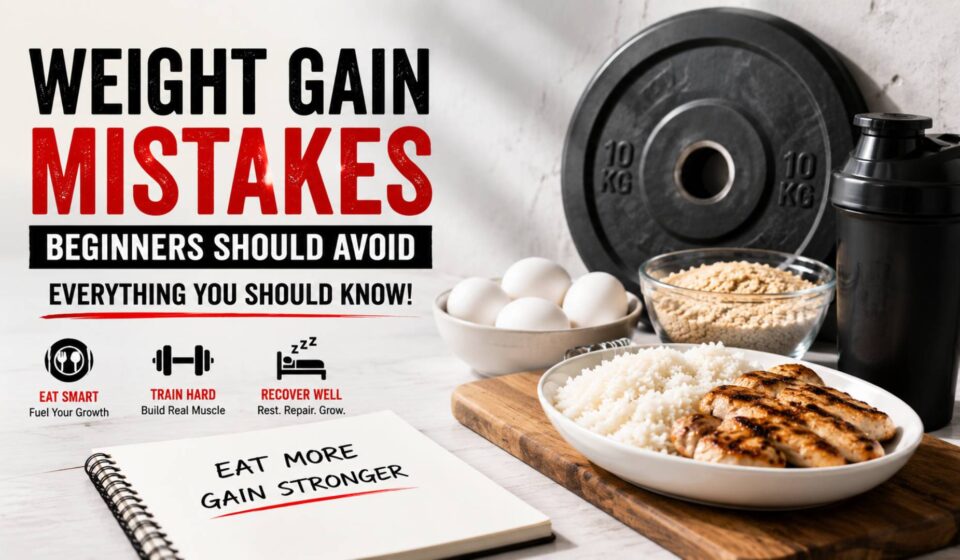
Weight Gain Mistakes Beginners Should Avoid – Everything You Should Know!
Gaining weight the right way is genuinely one of the harder fitness goals to get right. The instinct is to just eat more of everything and let the scale climb, but that approach usually results in fat gain without the muscle, sluggish energy, and frustration when the body composition doesn’t match the effort. So let’s find out the weight gain mistakes you should avoid as a beginner.
Smart weight gain requires almost as much structure as weight loss, just pointed in the opposite direction.
The Most Common Weight Gain Mistakes
1. Eating too much too fast
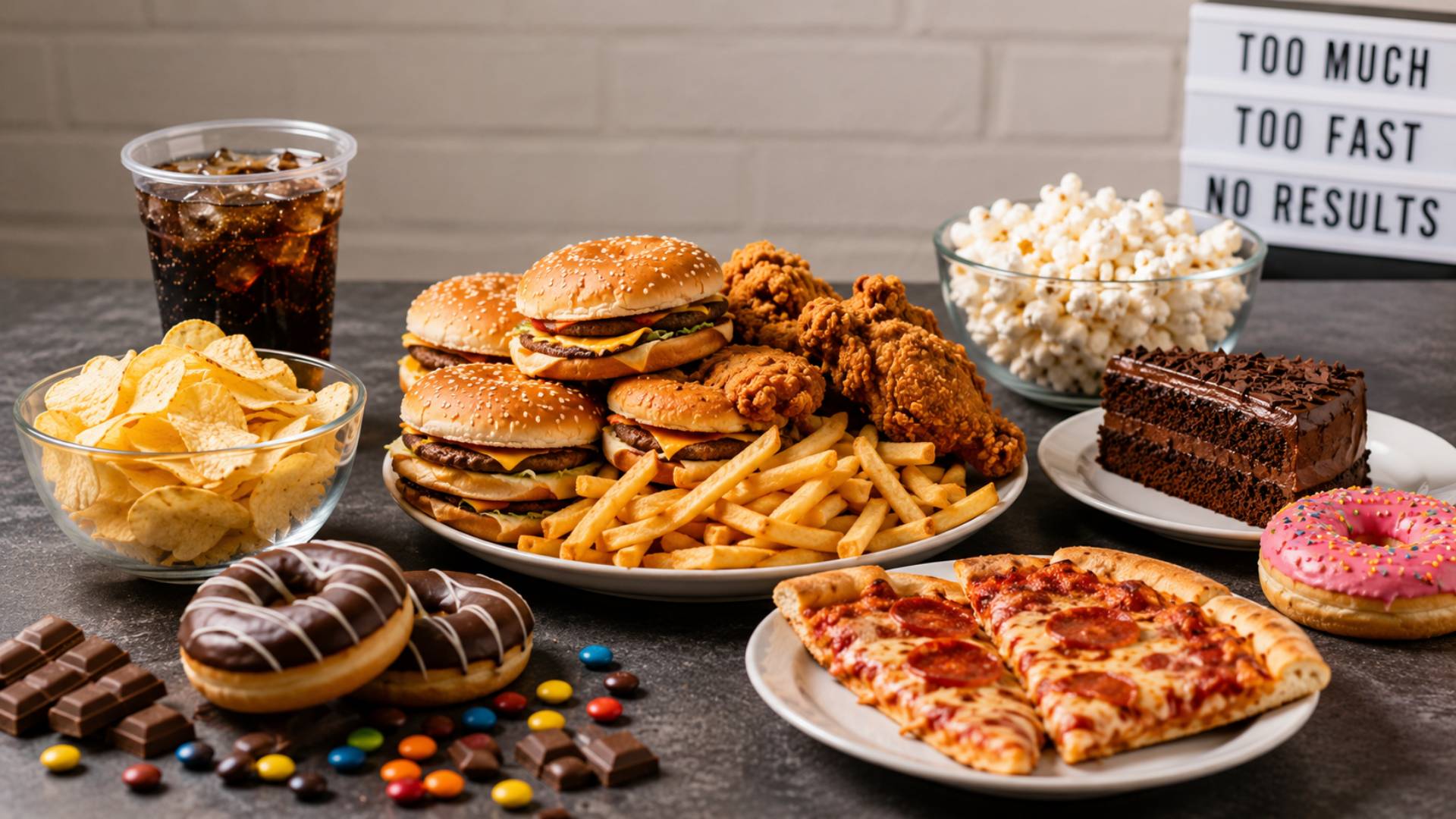
To be honest, it’s where most beginners go wrong first. Jumping from maintenance calories to a massive surplus in one go overwhelms digestion, promotes fat storage over muscle gain, and makes the whole process feel physically uncomfortable within days.
A moderate surplus of 200 to 300 calories above maintenance is enough to fuel muscle growth without excessive fat gain.
2. Skipping protein
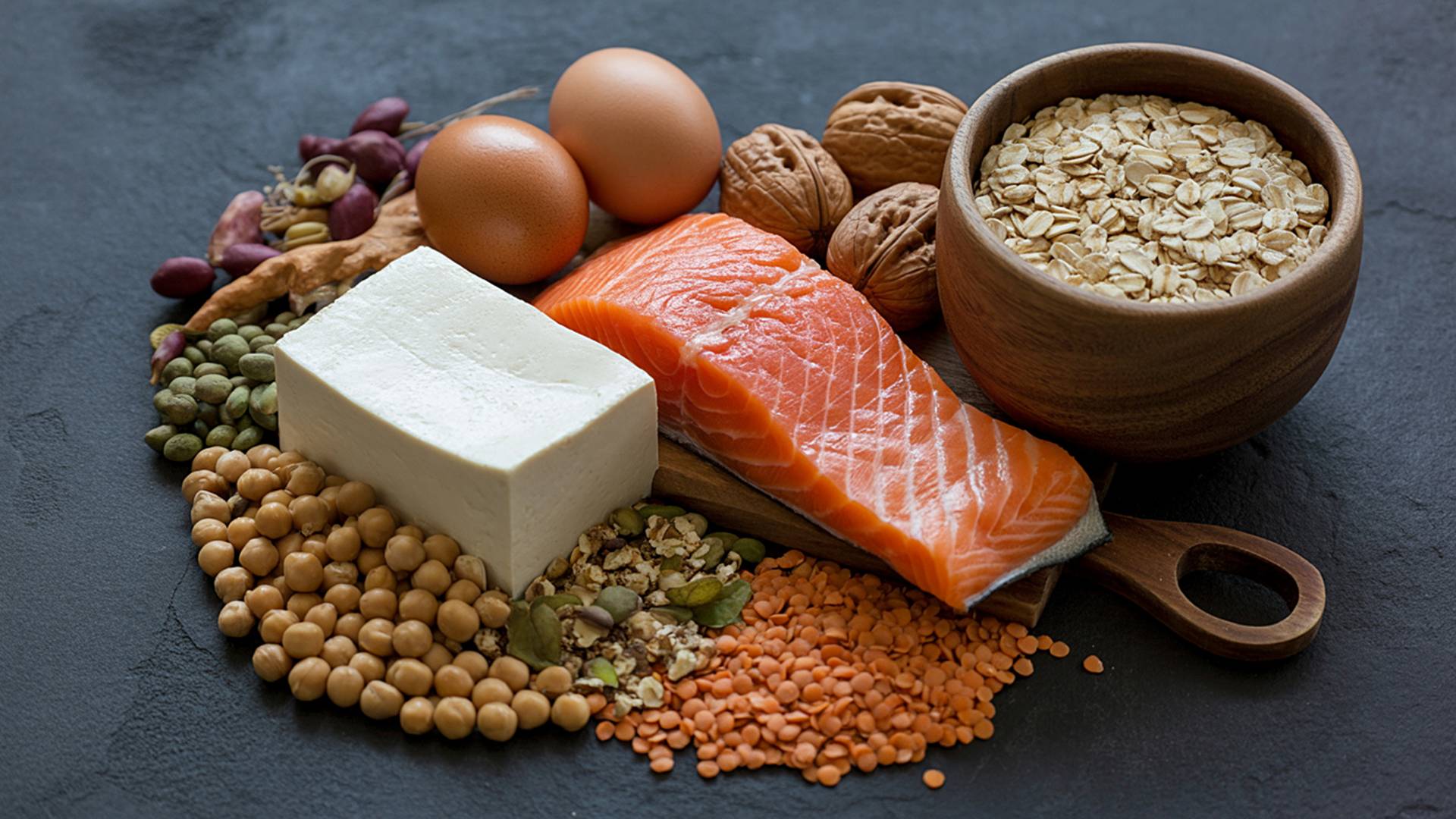
It’s the second biggest issue you may do if you’re on a bulk. You can eat a significant calorie surplus and still fail to build meaningful muscle if protein intake is too low. The general guideline supported by sports nutrition research is around 0.7 to one gram of protein per pound of bodyweight daily for people focused on muscle gain.
Other mistakes that slow progress:
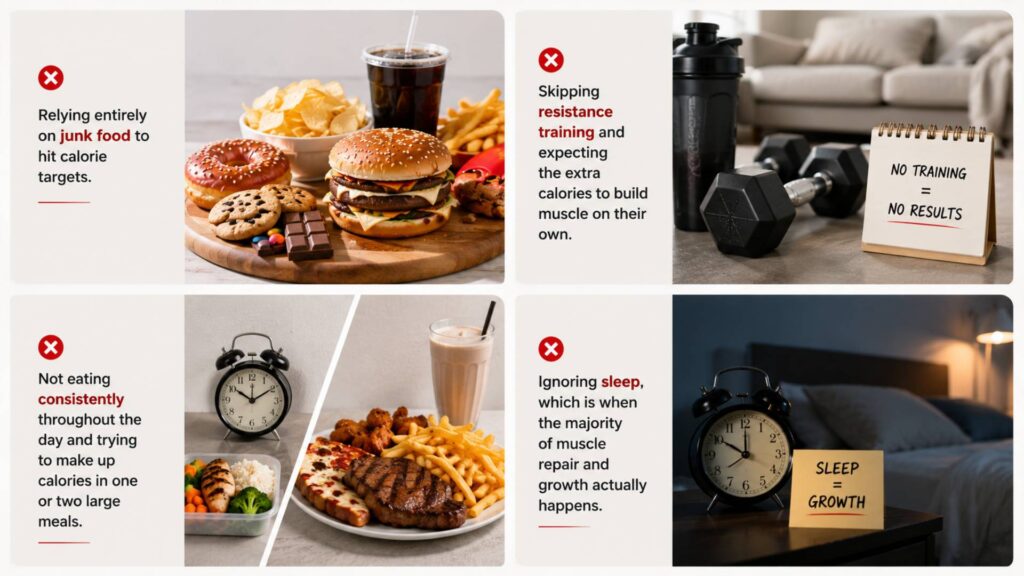
- Relying entirely on junk food to hit calorie targets.
- Skipping resistance training and expecting the extra calories to build muscle on their own.
- Not eating consistently throughout the day and trying to make up calories in one or two large meals.
- Ignoring sleep, which is when the majority of muscle repair and growth actually happens.
What to Do Instead
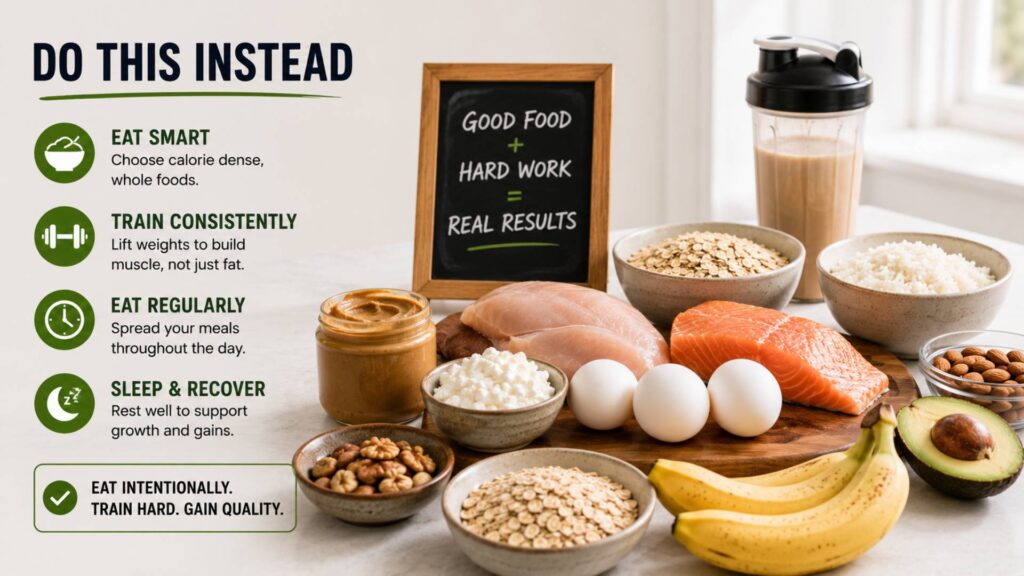
Build meals around calorie dense whole foods rather than processed options. Nuts, nut butters, avocado, whole eggs, brown rice, oats, and full fat dairy all add significant calories without making you feel stuffed after every meal.
Best Weight Loss Habits for Beginners is worth reading even if your goal is the opposite, because the habit building principles around food consistency and meal structure apply directly to weight gain too. And Best Diet Plan for Healthy Weight Loss covers the nutritional foundation that underpins both goals, since protein targets, meal timing, and whole food priorities matter regardless of which direction you’re trying to move the scale.
Resistance training is non negotiable for quality weight gain. Without it, the surplus calories have nowhere productive to go and fat gain outpaces muscle gain significantly.
Gain slowly, train consistently, eat intentionally. That combination produces the kind of weight gain worth working for.
FAQs
How many extra calories do I need to gain weight?
A surplus of two hundred to three hundred calories above your maintenance level is the sweet spot for most beginners. Going higher than that tends to add fat faster than muscle, which defeats the purpose.
How fast should I expect to gain weight?
Half a pound to one pound per week is a healthy and realistic target. Anything faster than that and you’re likely gaining more fat than muscle, which means the extra calories aren’t going where you want them.
Do I need protein supplements to gain weight?
Supplements are convenient but not necessary. Whole food sources like eggs, chicken, Greek yogurt, and legumes cover protein needs perfectly well for most beginners without spending money on powders.
Wrapping Up…
Overall, gaining quality weight takes just as much intention as losing it. Avoid the common mistakes, eat in a moderate surplus built around whole foods and protein, train consistently, and sleep enough for your body to actually build what you’re working toward. The scale moving up means nothing if the composition isn’t right. Do this the smart way from the start and the results will reflect it.