
Best Diet Plan for Healthy Weight Loss – Simple Meal Ideas That Work
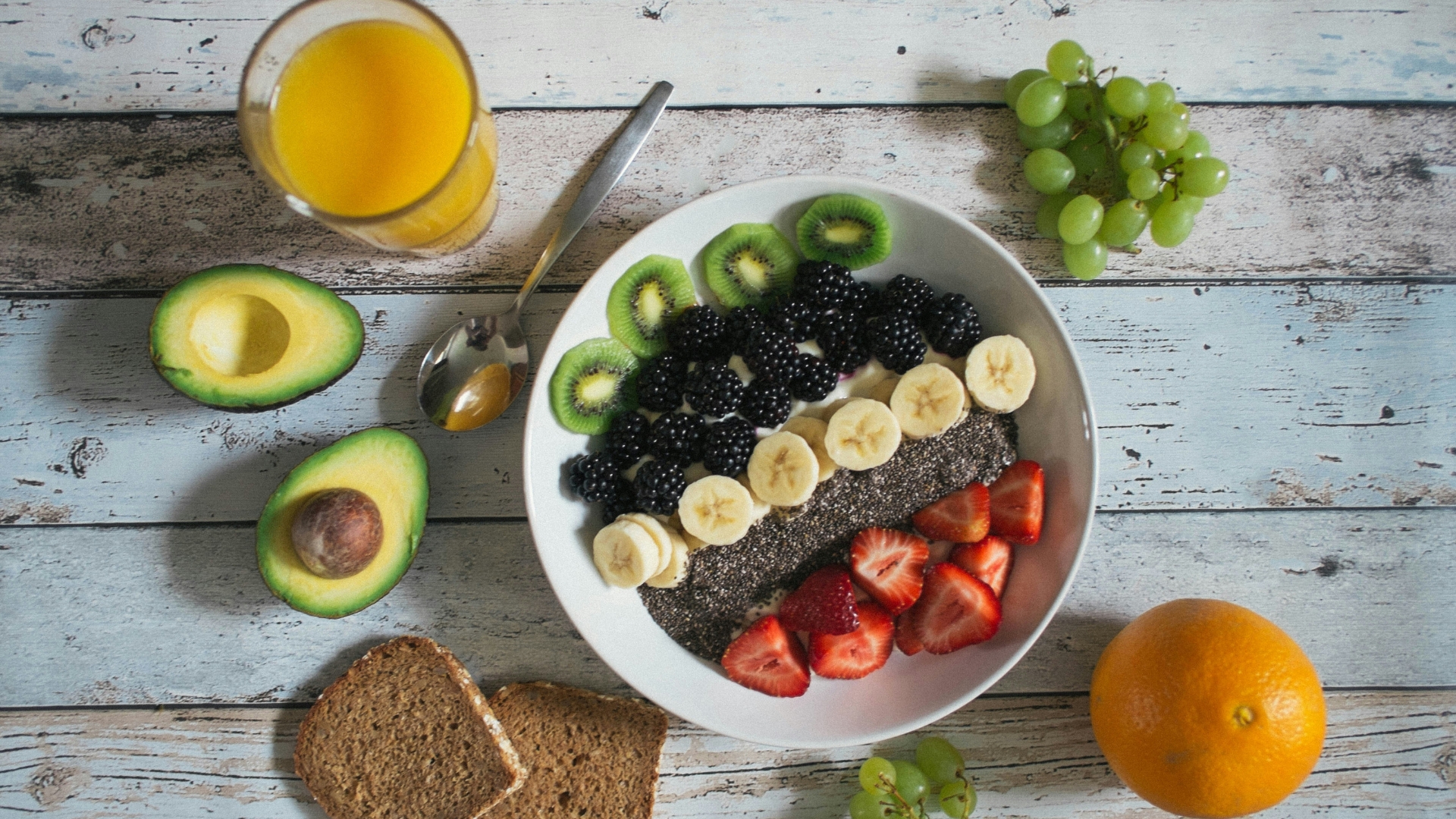
A recent medical research study conducted by the National Institutes of Health has confirmed that sustainable weight loss happens when you create a moderate calorie deficit while nourishing your body with nutrient-dense foods. The best diet plan for weight loss includes lean proteins, complex carbohydrates, healthy fats, and plenty of vegetables that keep you satisfied while supporting fat loss. Extreme restriction fails because it triggers hunger hormones and slows your metabolism over time.
The most effective approach focuses on whole foods you can maintain long-term rather than quick fixes that leave you hungry and miserable. This guide provides practical meal ideas and strategies that work for real people with busy lives and limited time.
- Why choose the best diet plan for weight loss over quick fixes?
- Core Principles of a Healthy Weight Loss Diet
- Simple Meal Ideas for Your Weight Loss Meal Plan
- 1. Breakfast Options
- 2. Lunch Ideas
- 3. Dinner Meals
- Practical Tips to Stick to Your Healthy Weight Loss Diet
- Frequently Asked Questions – (FAQs)
- Wrapping Up….
Why choose the best diet plan for weight loss over quick fixes?
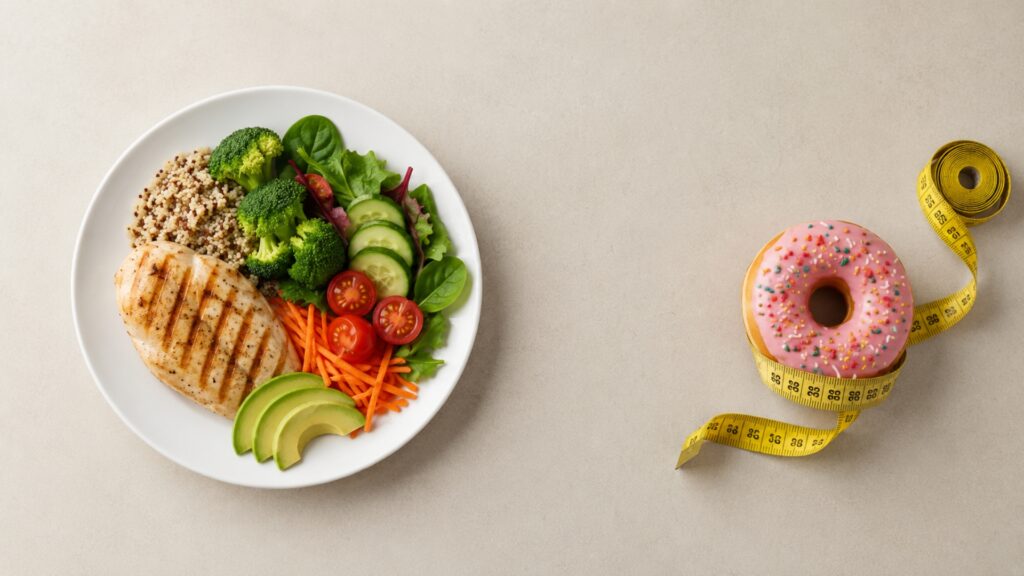
Your body needs adequate nutrients to function properly and maintain muscle mass during fat loss. Extremely low-calorie diets trigger survival mechanisms that slow metabolism and increase hunger hormones. A balanced approach with moderate calorie reduction preserves muscle, keeps energy stable, and makes adherence possible for months rather than just days or weeks before you quit.
Core Principles of a Healthy Weight Loss Diet
These fundamental guidelines create the foundation for sustainable fat loss without complicated rules or expensive supplements. Each principle supports your body’s natural processes while making healthy eating habits easier to maintain.
1. Prioritize Protein at Every Meal
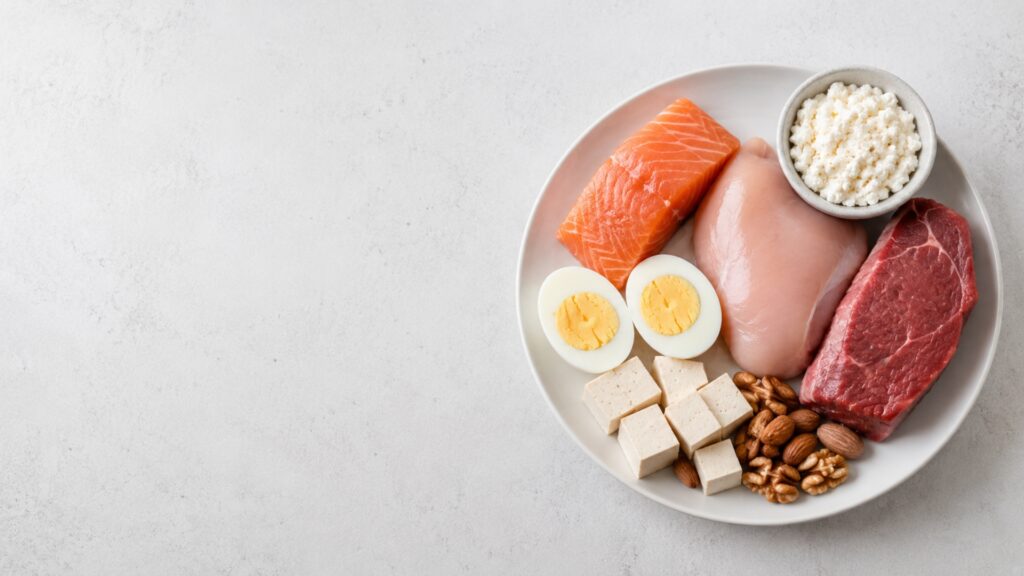
Protein keeps you full longer than carbohydrates or fats because it takes more energy to digest and stabilizes blood sugar levels. Aim for 25 to 35 grams of protein at each meal to preserve muscle mass while you lose fat. Lean chicken, fish, eggs, Greek yogurt, and legumes provide excellent options.
Higher protein intake also increases your metabolic rate slightly because your body burns more calories processing protein than other nutrients. This thermic effect contributes to your overall calorie deficit without additional effort. Include a protein source at breakfast to reduce cravings throughout the day and prevent mid-morning energy crashes.
2. Fill Half Your Plate With Vegetables
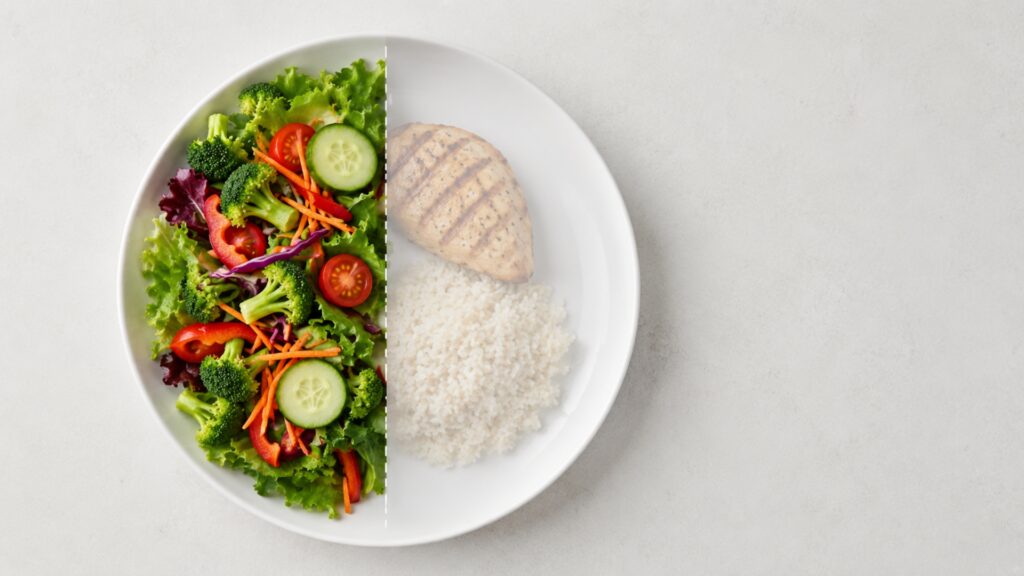
Non-starchy vegetables provide volume and nutrients with minimal calories. Leafy greens, broccoli, cauliflower, peppers, and zucchini fill you up while delivering vitamins and minerals your body needs. This strategy allows you to eat satisfying portions without exceeding your calorie goals.
Vegetables also provide fiber that supports digestive health and helps regulate blood sugar. When you build self-confidence naturally through healthy lifestyle changes, you create positive momentum that extends beyond just food choices. Start each lunch and dinner by preparing your vegetables first to ensure they make it onto your plate.
3. Choose Complex Carbohydrates Over Simple Sugars
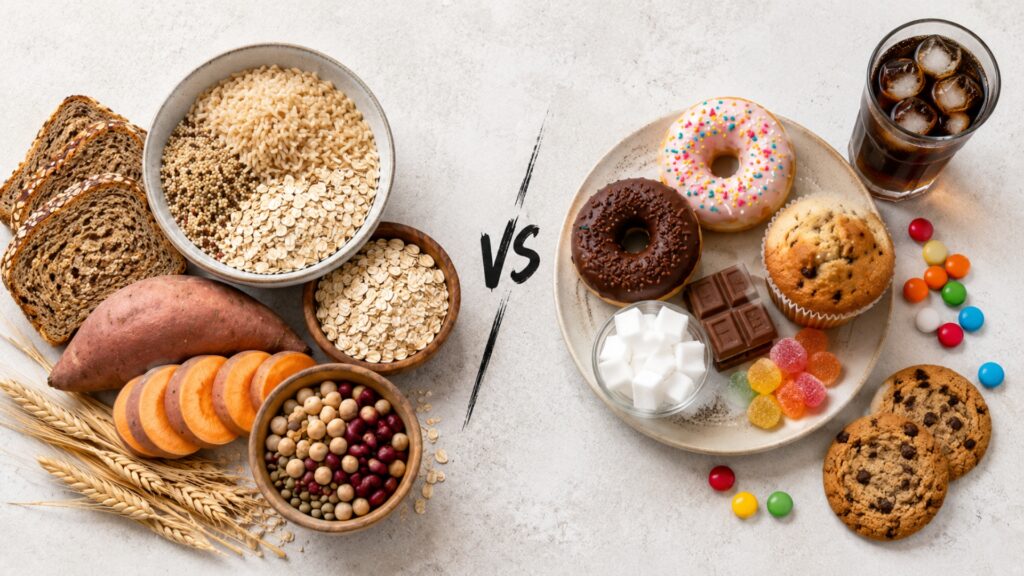
Complex carbs like sweet potatoes, brown rice, quinoa, and oats provide steady energy without the spikes and crashes that trigger cravings. These foods contain fiber that slows digestion and keeps you satisfied between meals. Your best diet plan for weight loss includes moderate portions of these quality carbs rather than eliminating them completely.
Time your carbohydrate intake around your most active hours for optimal energy and performance. Many people find success with slightly more carbs at breakfast and lunch with lighter portions at dinner. This pattern supports your daily activities while allowing your body to burn stored fat overnight.
4. Include Healthy Fats in Moderation
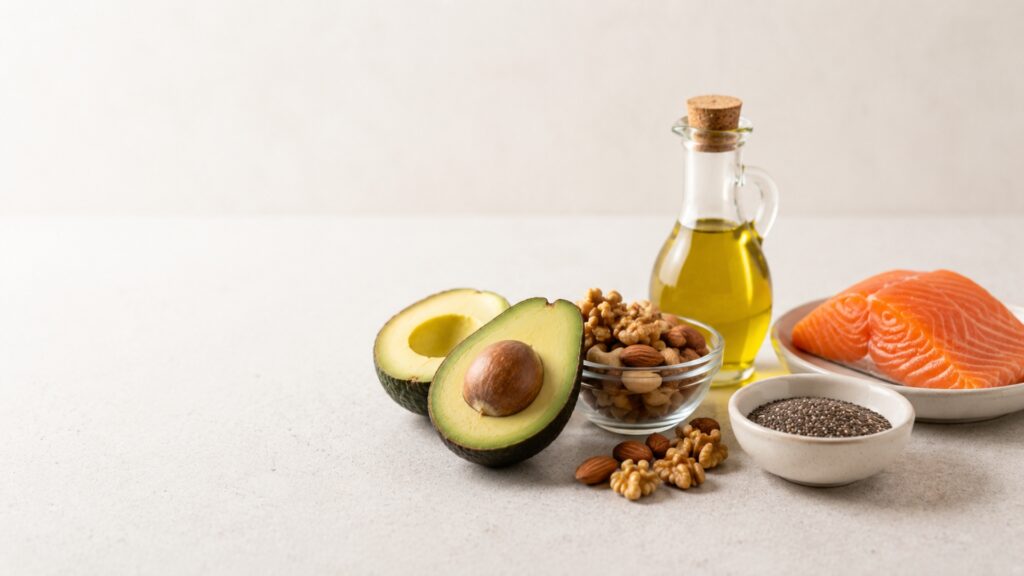
Fats slow digestion and help absorb fat-soluble vitamins from your meals. Avocados, nuts, seeds, olive oil, and fatty fish provide essential nutrients your body cannot make on its own. These foods support hormone production and brain function while you lose weight.
Keep portions controlled because fats contain nine calories per gram compared to four calories per gram in proteins and carbs. A tablespoon of olive oil, a quarter of an avocado, or a small handful of nuts provides adequate fat without derailing your calorie deficit. Quality matters more than quantity when it comes to dietary fats.
Simple Meal Ideas for Your Weight Loss Meal Plan
These practical meals fit the best diet plan for weight loss while remaining easy to prepare and enjoyable to eat. Each option balances protein, vegetables, and healthy carbs to keep you satisfied.
1. Breakfast Options
Protein-Packed Veggie Omelet
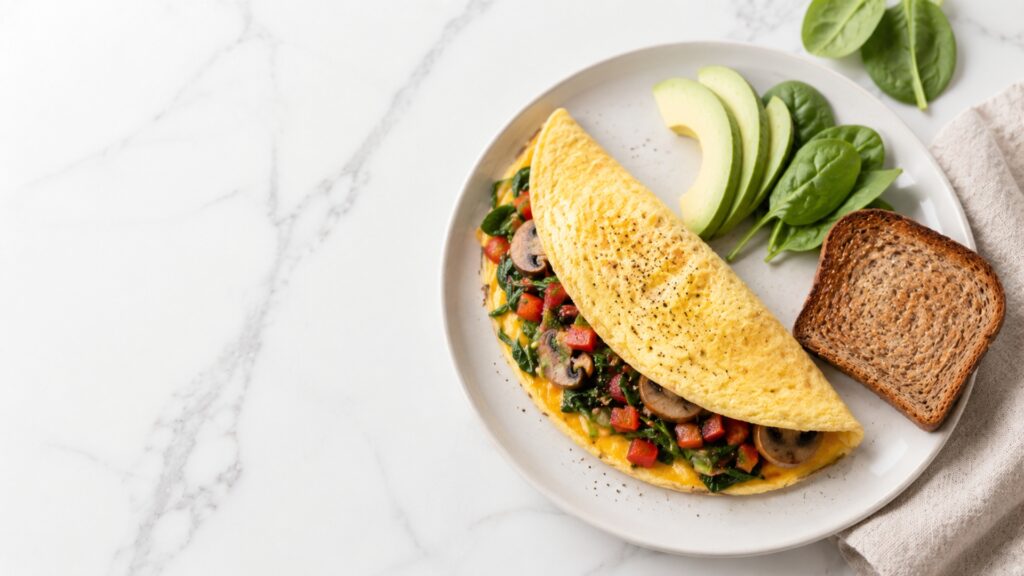
- 3 whole eggs or 2 eggs plus 2 egg whites
- 1 cup chopped spinach and mushrooms
- 1 ounce reduced-fat cheese
- 1 slice of whole grain toast
- Serve with fresh berries on the side
Greek Yogurt Power Bowl
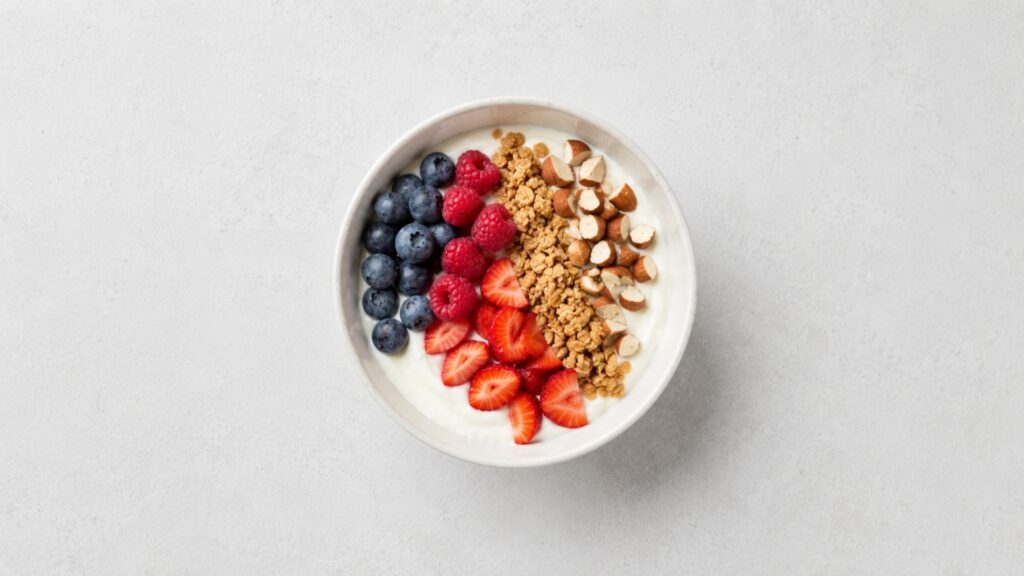
- 1 cup plain Greek yogurt
- Half cup mixed berries
- 2 tablespoons chopped almonds
- 1 tablespoon ground flaxseed
- Drizzle of honey if desired
Overnight Oats for Busy Mornings
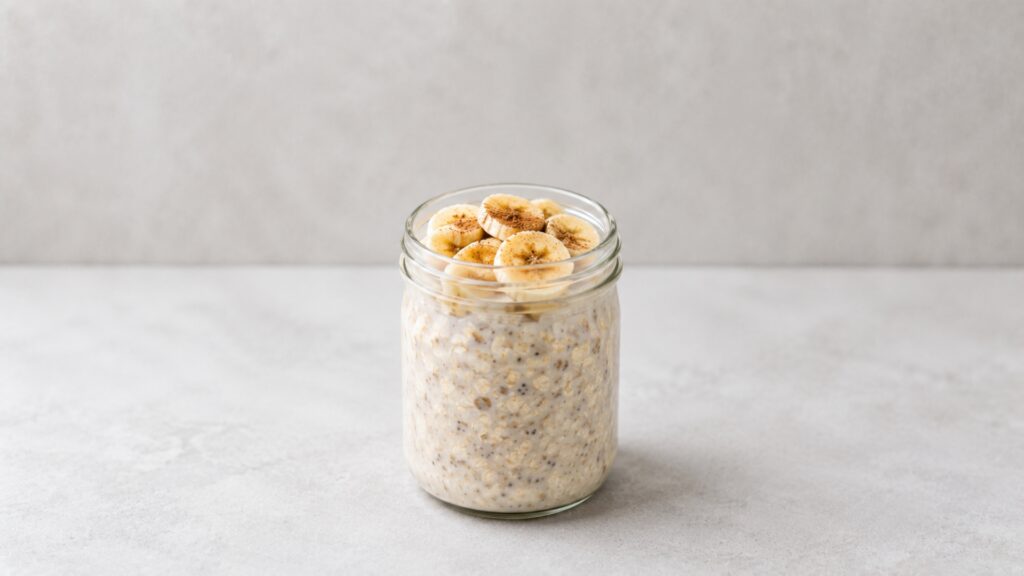
- Half a cup of rolled oats
- 1 cup unsweetened almond milk
- 1 scoop protein powder
- 1 tablespoon chia seeds
- Top with sliced banana and cinnamon
2. Lunch Ideas
Grilled Chicken Salad Bowl
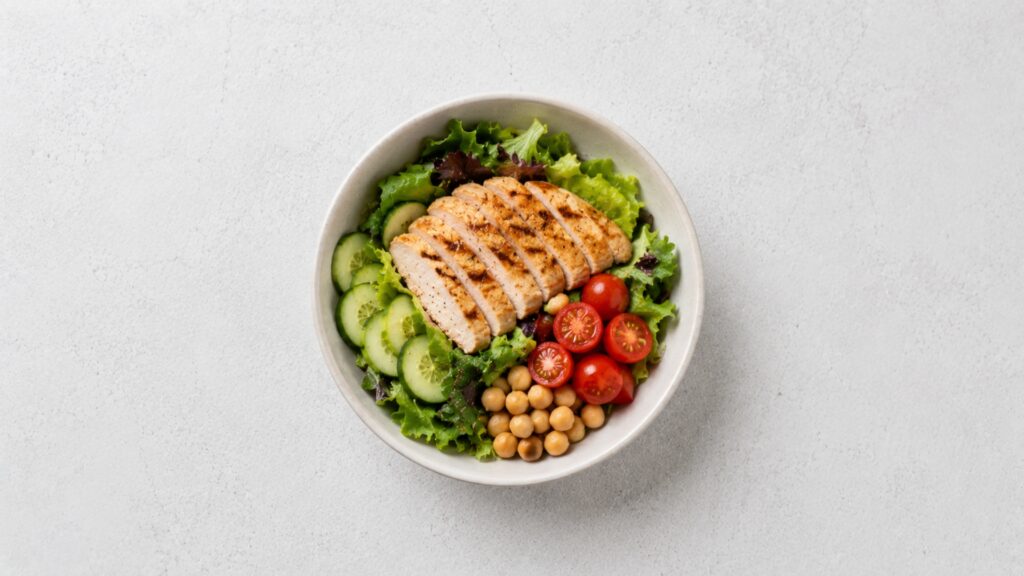
- 4 ounces grilled chicken breast
- 2 cups mixed greens
- Half a cup of cherry tomatoes
- Quarter cup of cucumber slices
- 2 tablespoons balsamic vinaigrette
- A quarter cup of chickpeas for extra fiber
Turkey and Veggie Wrap
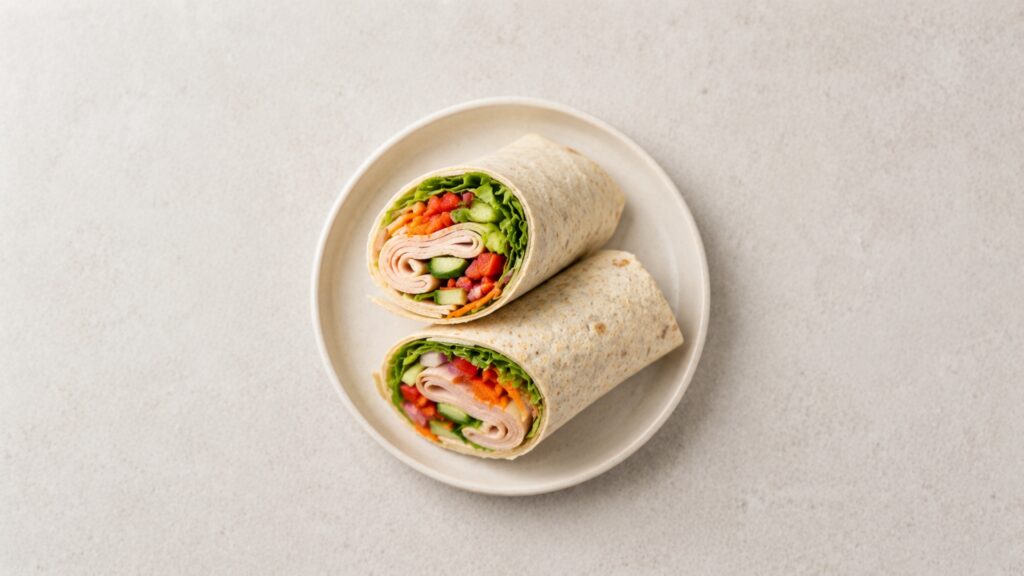
- 1 whole wheat tortilla
- 4 ounces sliced turkey breast
- Lettuce, tomato, and bell peppers
- 1 tablespoon hummus
- Side of baby carrots
Quinoa Buddha Bowl
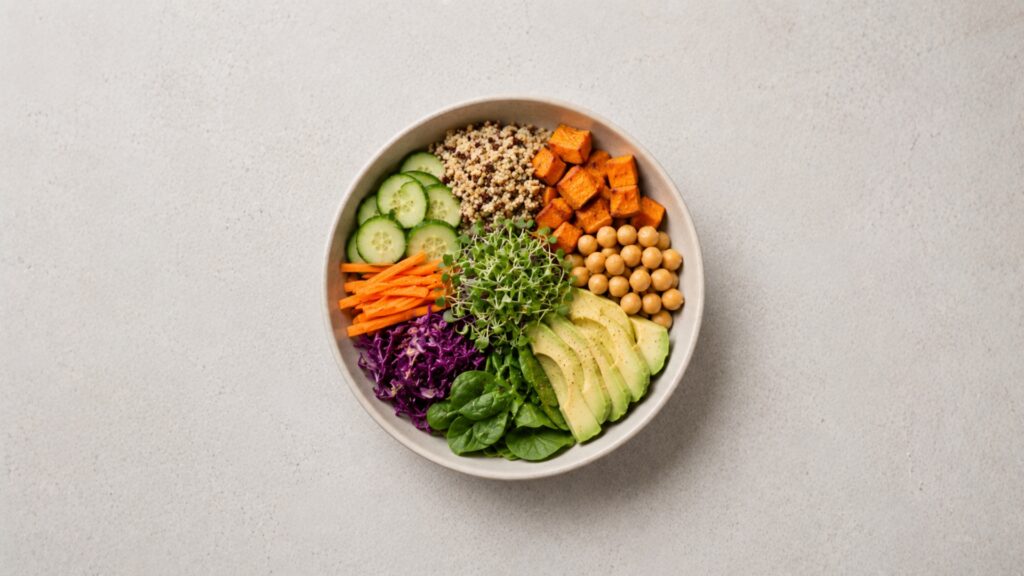
- Half a cup of cooked quinoa
- 4 ounces of baked tofu or grilled fish
- 1 cup roasted vegetables
- Quarter of an avocado sliced
- Lemon tahini dressing
3. Dinner Meals
Baked Salmon With Roasted Vegetables
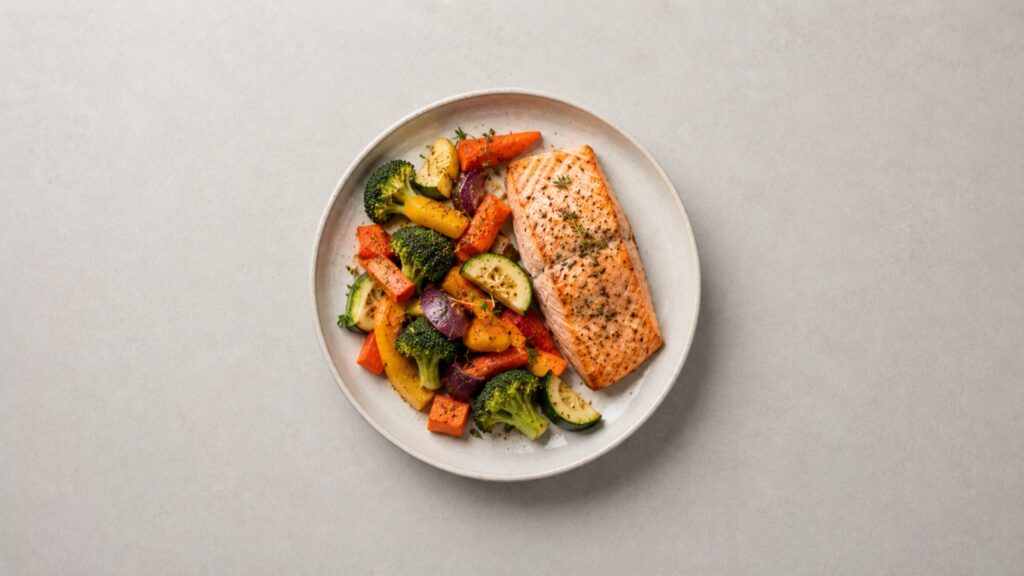
- 5 ounces wild-caught salmon
- 2 cups roasted broccoli and Brussels sprouts
- Half a cup of roasted sweet potato cubes
- Season with herbs and lemon
Lean Beef Stir-Fry
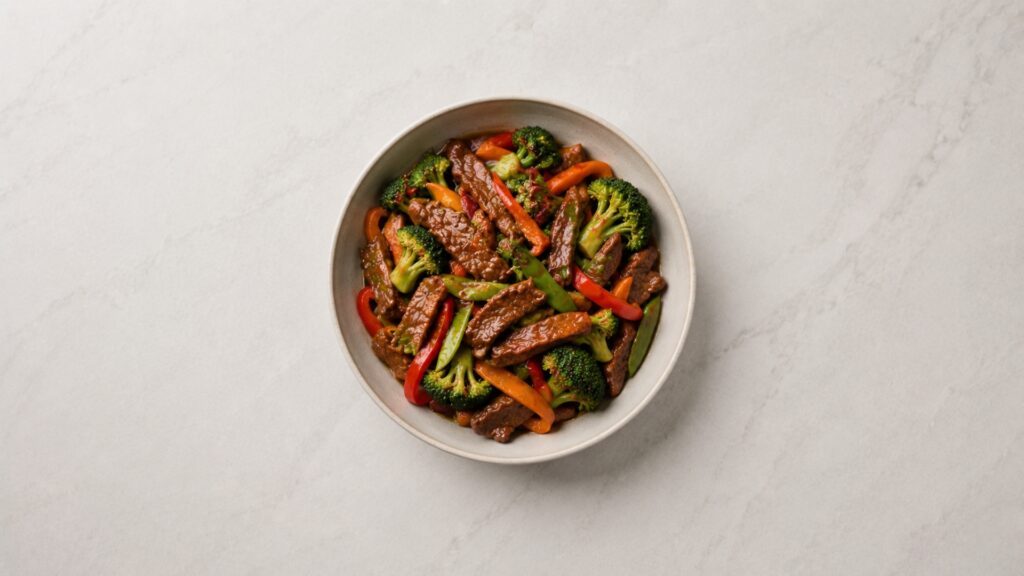
- 4 ounces of lean beef strips
- 2 cups mixed stir-fry vegetables
- Half a cup of brown rice
- Low-sodium soy sauce and garlic
- 1 teaspoon sesame oil
Chicken and Zucchini Noodles
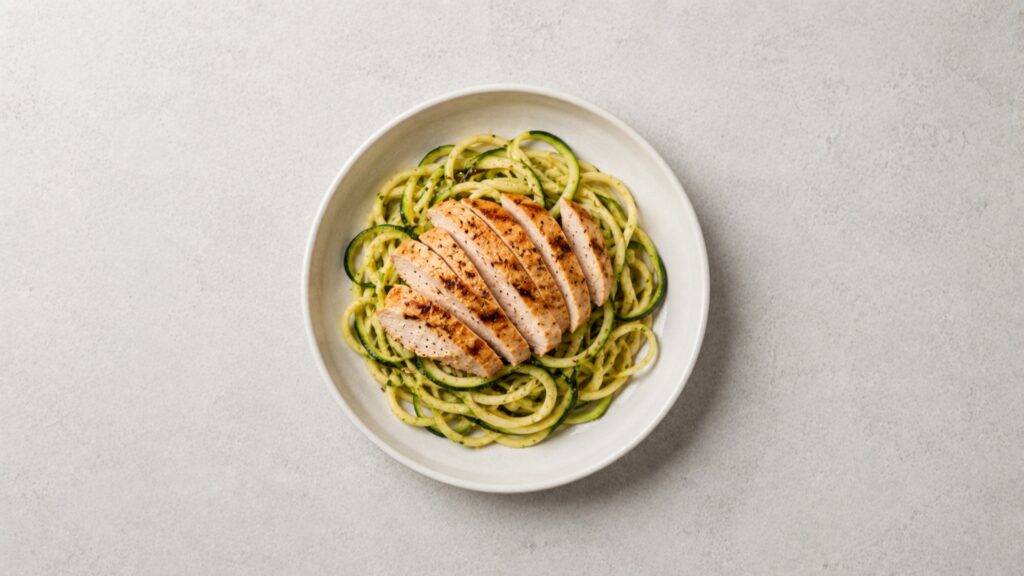
- 4 ounces grilled chicken breast
- 2 cups spiralized zucchini
- Half a cup of marinara sauce
- Fresh basil and garlic
- 2 tablespoons parmesan cheese
Healthy Snack Options
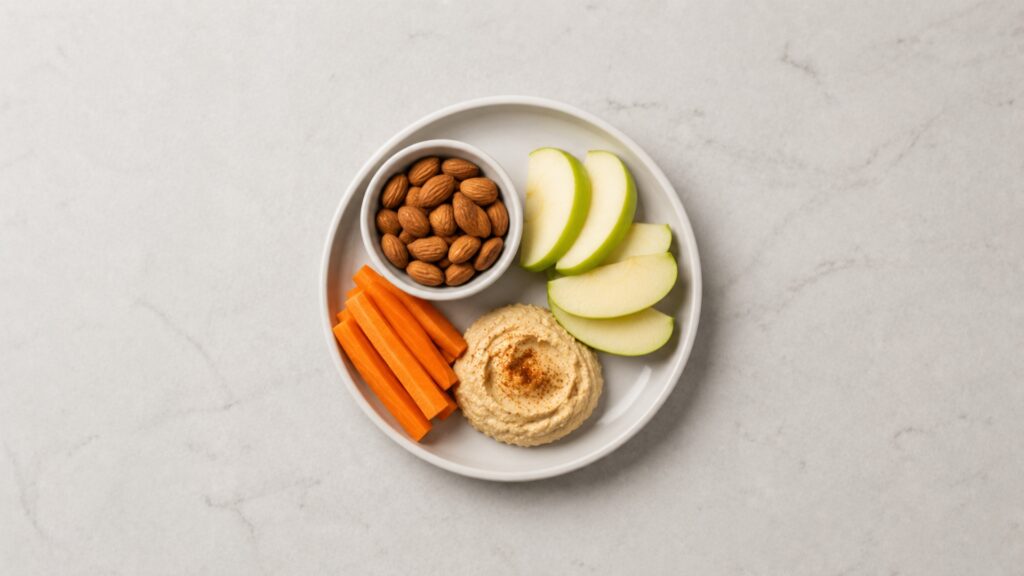
- Apple slices with 2 tablespoons of almond butter
- Hard-boiled eggs with cherry tomatoes
- Celery sticks with hummus
- Protein smoothie with spinach and berries
- Air-popped popcorn with nutritional yeast
Practical Tips to Stick to Your Healthy Weight Loss Diet
Success comes from consistency rather than perfection. These strategies help you maintain your best diet plan for weight loss even when life gets hectic or motivation fades.
1. Prepare Meals in Advance
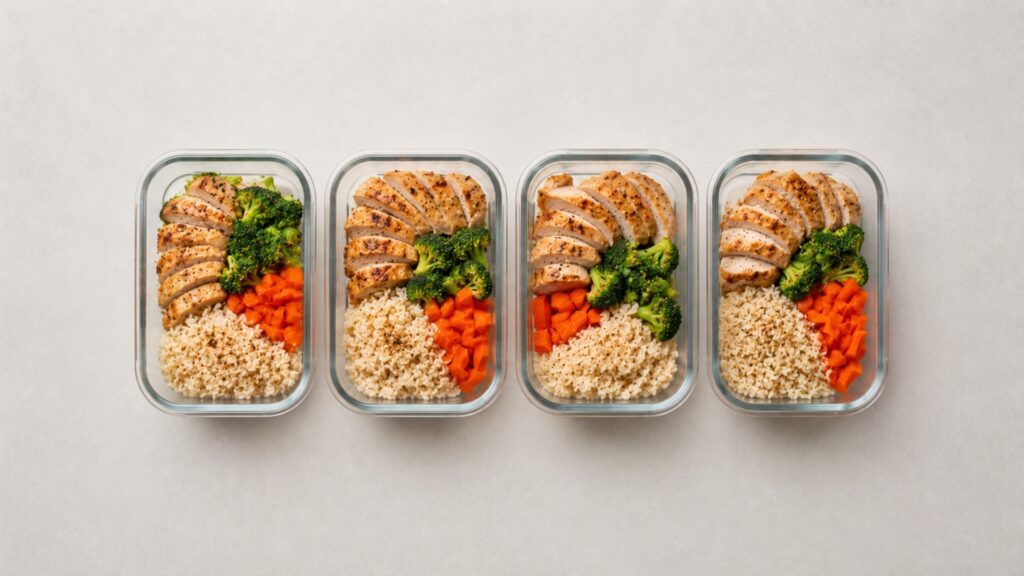
Dedicate two hours each week to batch-cooking proteins and chopping vegetables. Store prepared components in containers so you can quickly assemble balanced meals when time is limited. This approach removes the decision fatigue that leads to poor food choices when you’re tired or hungry.
A solid morning routine ideas for productivity can include meal prep time to set yourself up for success. When healthy options are ready to eat, you’re far less likely to order takeout or grab processed snacks.
2. Track Your Portions Without Obsession
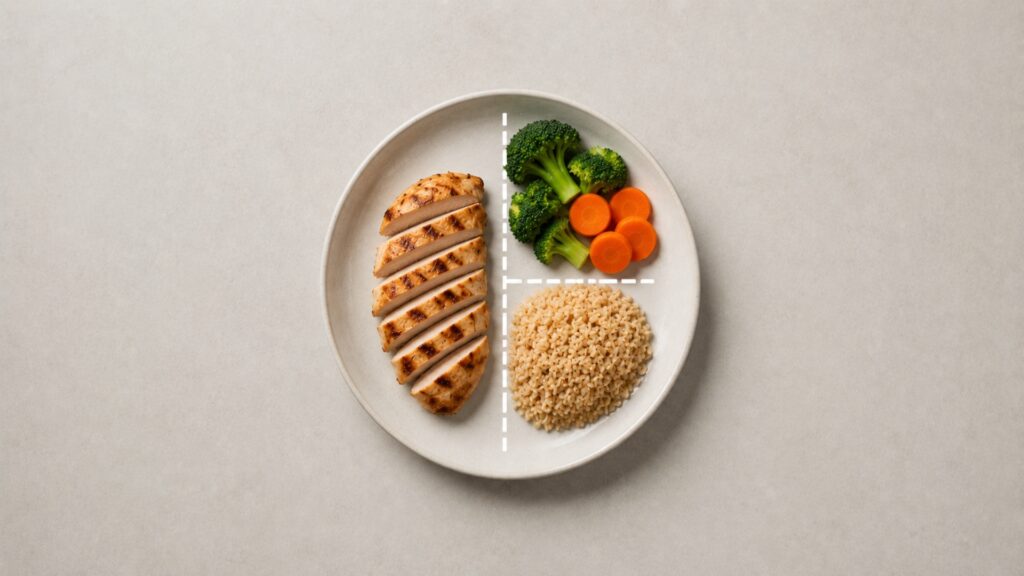
Use your hand as a simple measurement tool rather than counting every calorie obsessively. A palm-sized portion of protein, a fist-sized portion of carbs, and a thumb-sized portion of fat create a balanced plate. Two handfuls of vegetables round out each meal with minimal calories and maximum nutrition.
This method provides structure without the anxiety that comes from rigid calorie counting. You develop intuitive portion control over time as you learn what appropriate servings look like on your plate.
3. Allow Flexibility for Social Situations

The best diet plan for weight loss includes room for real life without guilt or shame. Plan ahead for restaurant meals by checking menus online and deciding your order before arrival. Choose grilled proteins with vegetable sides and ask for dressings on the side to control added fats.
Enjoy special occasions without the all-or-nothing mentality that derails many people. One meal will not undo weeks of progress, just as one healthy meal does not create instant results. Return to your regular plan at your next meal without punishing yourself through restriction.
4. Stay Hydrated Throughout the Day
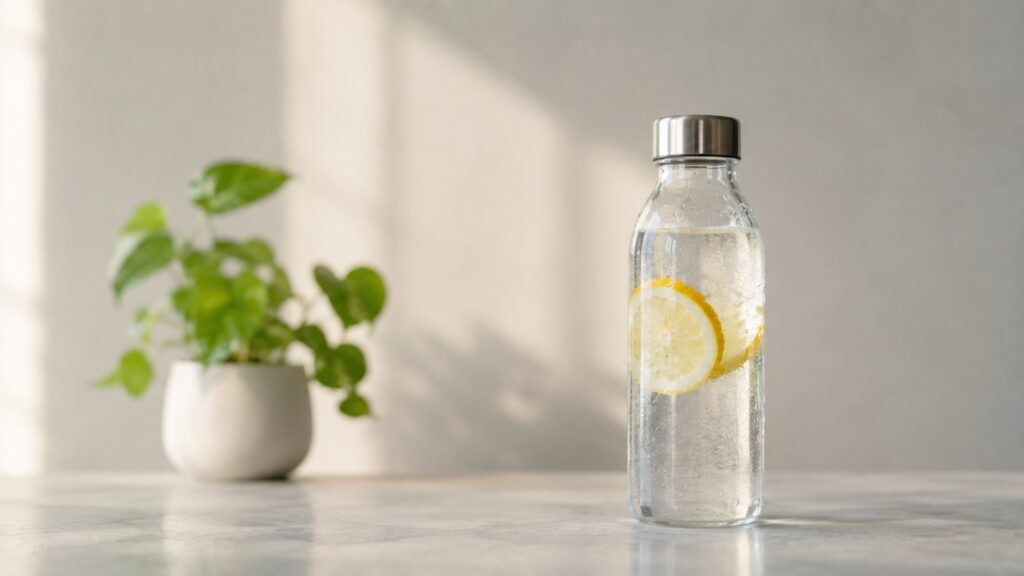
Thirst often masquerades as hunger and leads to unnecessary snacking. Drink at least eight glasses of water daily to support your weight loss journey and overall health. Keep a reusable bottle with you as a constant reminder to sip regularly.
Water also helps your body process nutrients and flush out waste products. Add lemon, cucumber, or mint for flavor variety if plain water feels boring. Proper hydration supports energy levels and can reduce cravings for sugary beverages.
Frequently Asked Questions – (FAQs)
How much weight can I expect to lose with the best diet plan for weight loss?
Safe and sustainable weight loss ranges from one to two pounds per week. This pace preserves muscle mass and allows your body to adjust without triggering metabolic slowdown. Faster initial loss is common in the first two weeks due to water weight reduction before fat loss stabilizes.
Do I need to count calories on a healthy weight-loss diet?
Calorie awareness helps, but obsessive counting is not necessary for everyone. You may focus on portion control, whole foods, and consistent meal timing instead. If progress stalls after a few weeks, brief calorie tracking can reveal hidden sources of excess intake.
Can I eat carbs and still lose weight effectively?
Yes. Carbohydrates are not the enemy when you choose quality sources in appropriate portions. Whole grains, fruits, and vegetables provide energy and nutrients essential for health. The key is balance and portion control rather than complete elimination of any food group.
Wrapping Up….
Overall, the best diet plan for weight loss combines lean proteins, abundant vegetables, quality carbohydrates, and healthy fats in portions that create a moderate calorie deficit. These simple meal ideas provide practical templates you can adapt to your preferences and schedule without feeling deprived or overwhelmed.
But honestly speaking, success comes from consistency rather than perfection, so focus on progress over time instead of daily fluctuations. Remember that sustainable, healthy weight loss happens gradually through small daily choices that compound into significant results.
You may start with one or two meal swaps this week and build momentum as new habits become automatic. Your body deserves nourishment that supports both fat loss and overall well-being, not punishment through extreme restriction that cannot last.