


50 Things to Stop Buying to Save Money – Smart Budgeting Tips
In today’s modern world, where industrialism is rampant, it’s easy to spend on non-essentials. In fact, in 2026, as inflation continues to squeeze American households, the average family throws away more than $5,000 a year on things that they never even needed in the first place. That is no trickle, that is a deluge.
Our list below is going to show you exactly where your cash keeps disappearing, if you are serious about things to stop buying to save money! No extreme minimalism. No deprivation. Just a reset of frugality that adds clarity and enables you to take charge in the disposition relative to your financial freedom.
- Why Americans Need to Quit These Buys in 2026
- How Much Can You Realistically Save?
- 50 Things to Stop Buying in 2026 to Save Money Fast
- Category 1: Food and Drinks
- Category 2: Beauty and Personal Care
- Category 3: Fashion and Shopping
- Category 4: Subscriptions and Entertainment
- Category 5: Home and Tech
- Category 6: Transportation and Big Expenses
- Category 7: Health and Wellness Spending
- Category 8: Kids and Family Spending
- Realistic Savings Breakdown
- Frequently Asked Questions
- Wrapping Up…..
Why Americans Need to Quit These Buys in 2026

Ever notice how your expenses somehow grow every time your income does? Lifestyle inflation is one of the biggest wealth-building mistakes that keep people broke despite earning more money. And you know what’s the scariest part? It silently destroys your ability to build wealth. Social media keeps pushing you to spend more, convenience culture makes every impulse buy feel justified, and post-pandemic habits have turned luxury into a default.
Marketers are brilliant at turning wants into things to stop buying only after the damage is already done. However, once you see the pattern clearly, you can cut expenses before they cut your future. Whether your goal is to pay off debt fast, build an emergency fund, or retire earlier, the solution starts with smart spending today.
As financial expert Dave Ramsey famously said:
“A budget is telling your money where to go instead of wondering where it went.”
This is exactly why identifying things to stop buying matters so much. Every unnecessary purchase takes money away from goals that could improve your future.
How Much Can You Realistically Save?

To be honest, most households can save between $400 and $800 per month just by removing the right things from their routine, and sometimes even more. The items below are not random guesses. They are the most common money-wasting habits research and financial experts consistently highlight as low-hanging fruit.
50 Things to Stop Buying in 2026 to Save Money Fast
Each spending decision is an opportunity to strengthen your financial habits. Small choices repeated consistently can create remarkable progress toward financial freedom.
Category 1: Food and Drinks
These are the daily money drains most people overlook because each one feels small in the moment. And this is exactly where most budgets silently bleed out every single week.
1. Daily Starbucks or Fancy Coffee Drinks

The coffee habit alone costs the average American over $1,100 a year. Brew at home and that number drops to about $100. That difference matters.
2. Bottled Water

A reusable filter jug or a water filter tap attachment pays for itself within weeks. Bottled water is one of the most overhyped things to stop buying on this entire list.
3. Takeout Food and Delivery Apps

Takeout food delivery fees, tips, and markups can turn a $10 meal into a $22 expense. Meal prep two to three times a week and watch your food bill shrink fast. Cutting expenses is only one side of the equation. Another smart strategy is developing profitable freelance skills to learn that can increase your income over time.
The late Warren Buffett once said:
“If you buy things you do not need, soon you will have to sell things you need.”
Delivery apps make spending feel effortless, but those small charges add up quickly. Preparing meals at home helps you keep more of your hard-earned money working for you.
4. Name-Brand Cereals and Snacks

Store-brand versions are often made in the same factories. Brand names just come with a premium price tag and fancier packaging.
5. Pre-Cut or Pre-Washed Produce

You are paying two to three times more for convenience that takes about four minutes to do yourself.
6. Sugary Sodas and Energy Drinks

These are things to stop buying not just for your wallet but for your health. A daily energy drink habit runs close to $150 a month.
7. Expensive Protein Bars and Shakes

Most of these are overpriced sugar with a protein label. Eggs, Greek yogurt, and lentils give you more protein at a fraction of the cost.
8. Impulse Buys at Checkout
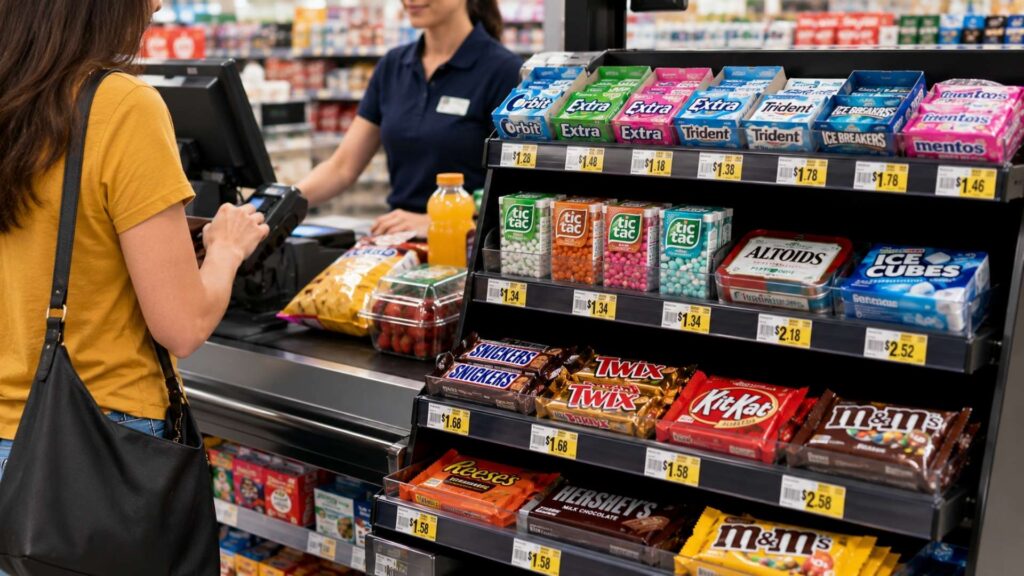
Supermarkets place items at checkout on purpose. Impulse buys at the register are a multi-billion-dollar industry built entirely on your weak moment.
9. Unused Spices and Condiments

Most kitchens have a graveyard of half-used spice jars. Stop restocking things you barely use.
10. Gourmet or Imported Cheeses
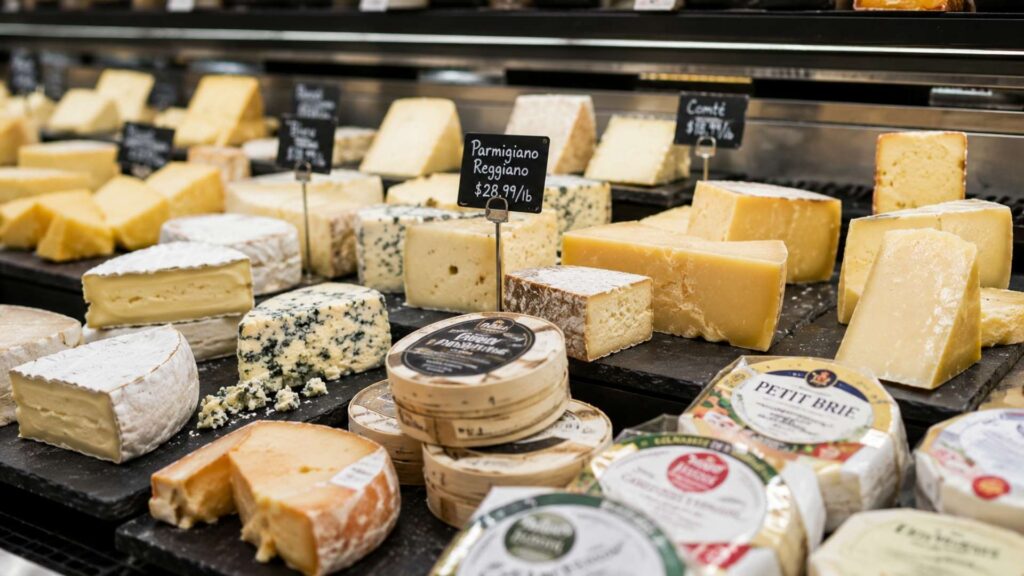
Honestly speaking, local or store-brand cheese tastes almost identical for everyday cooking. Save the fancy stuff for rare occasions.
Category 2: Beauty and Personal Care
Most people overlook this category, but it quietly drains $80–$150 monthly on products that sit unused or get replaced too soon.
1. High-End Skincare and Makeup
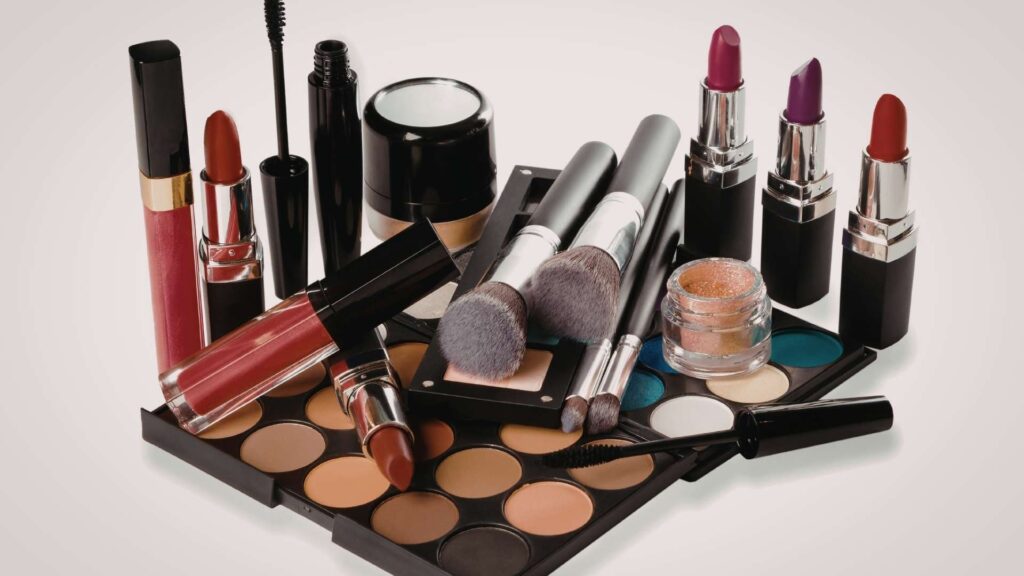
Dermatologists consistently confirm that drugstore alternatives with the same active ingredients perform just as well as luxury products.
2. Subscription Beauty Boxes
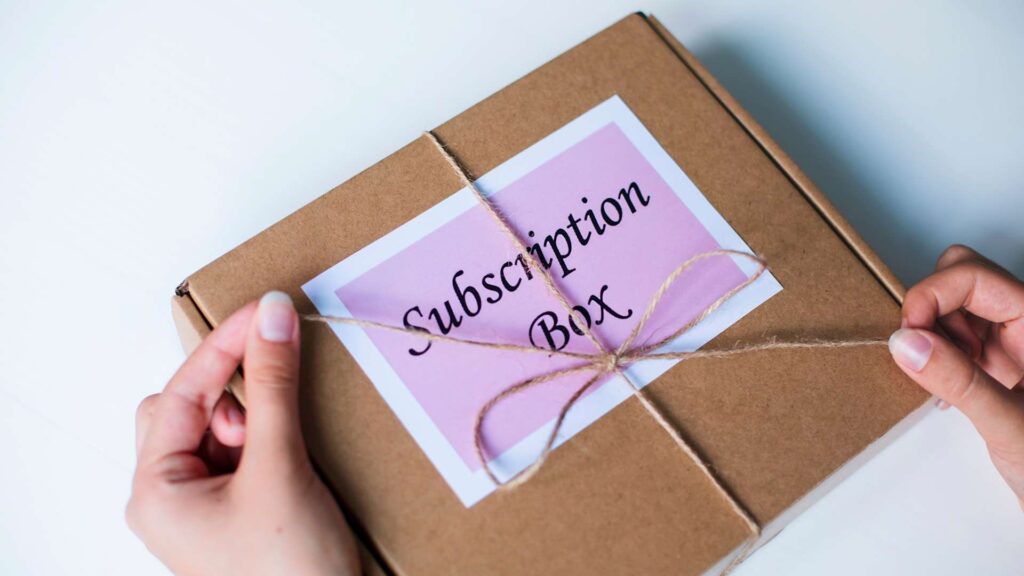
The subscription trap hits hard here. You pay monthly for products you did not choose and often do not use. Cancel and buy only what you need.
3. Designer Perfumes

Fragrance dupes have become genuinely excellent. You can smell great without the $120 bottle.
4. Monthly Salon Manicures and Pedicures
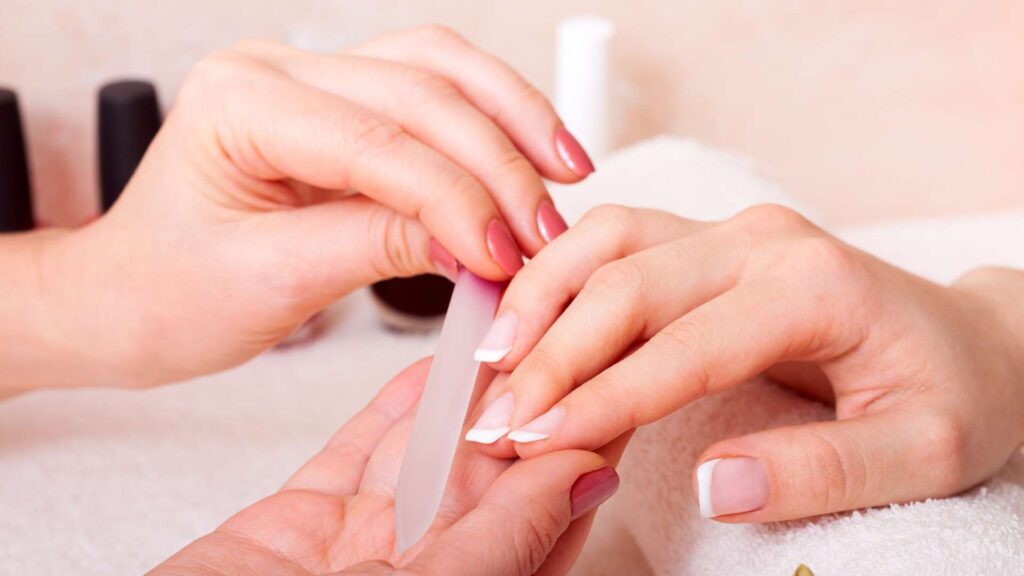
At-home nail kits cost $20 to $30 total and last for months.
5. Disposable Makeup Wipes

Reusable cotton rounds and micellar water do the same job at about 5% of the long-term cost.
6. Luxury Shampoo and Hair Products

Most salon brands sell you a story, not a formula your hair cannot live without. So, to be honest, you should really focus on quality instead of a big brand name.
Category 3: Fashion and Shopping
While a $10 t-shirt feels like a steal, the fast fashion cycle is a silent assassin for your savings. By constantly chasing the next micro-trend, you aren’t just filling your closet with clutter; you are draining your wealth one flimsy seam at a time.
1. Fast Fashion Hauls

Cheap clothes wear out in months. A minimalist lifestyle approach means fewer, better pieces that last years.
2. Impulse Clothing Purchases

If you did not plan to buy it before you walked in, you probably did not need it. Wait 48 hours before any unplanned clothing buy.
3. Designer Labels and Logos

You pay a massive premium to advertise a brand. Thrift stores and outlet malls have identical quality at a fraction of the price.
4. Seasonal Trendy Outfits
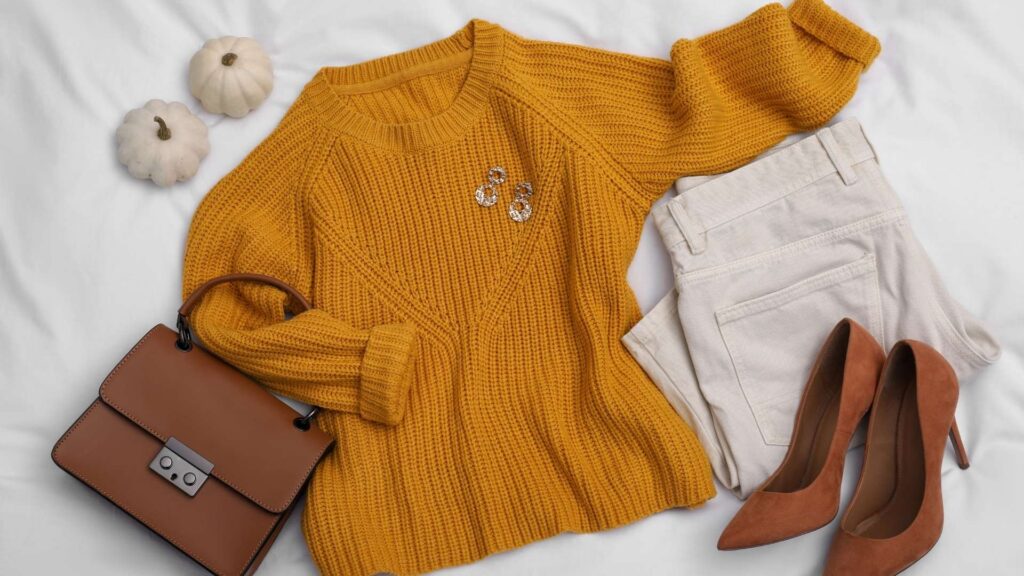
Trends rotate every three to six months. Build a capsule wardrobe of classic pieces instead.
5. Too Many Shoes or Bags

More than a few quality pairs is money tied up in a closet.
6. Expensive Activewear

Budget activewear brands perform well for most workouts. You do not need $120 leggings to do home workouts for beginners.
Category 4: Subscriptions and Entertainment
On average, the forgotten subscriptions and entertainment impulse buys drain $50–$150 monthly from accounts people never bother to audit.
1. Unused Streaming Services

The average household pays for four streaming platforms but actively uses two. You can rotate subscriptions, like cancel one, use another, then switch.
2. Gym Memberships You Do Not Use
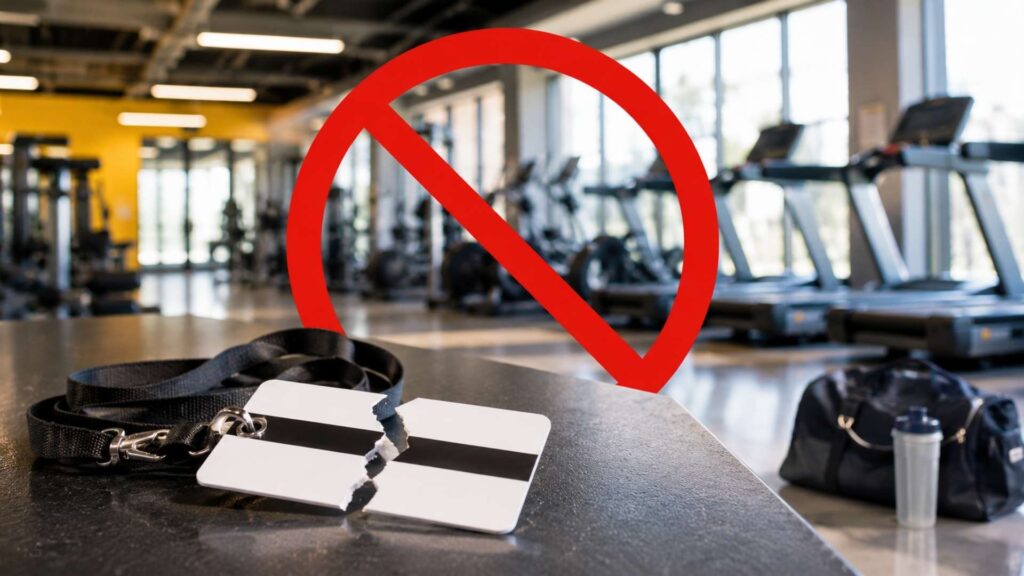
This is one of the most classic money-saving habits to break. If you have not gone in six weeks, cancel today.
3. Mobile Games With In-App Purchases
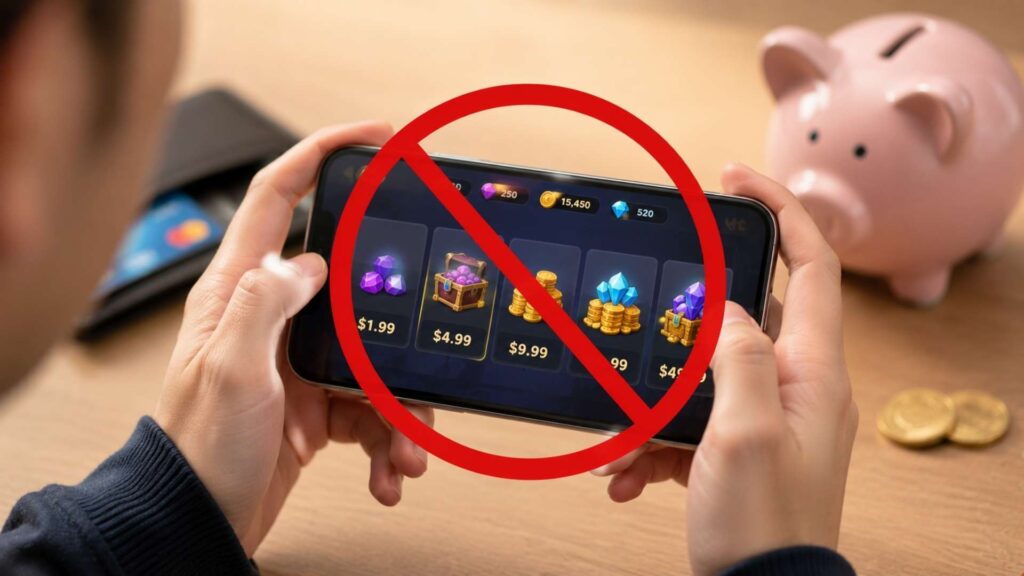
Free games with paid upgrades are designed to extract money from you slowly. They are budget tips killers in disguise.
4. Lottery Tickets
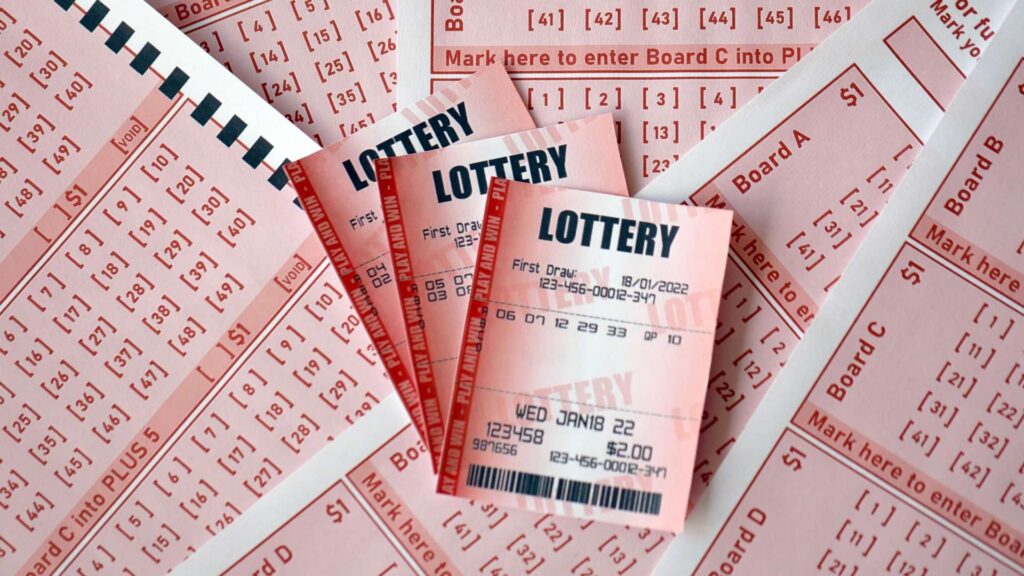
The odds of winning are essentially zero. That $20 a week is $1,040 a year you could be saving.
5. Magazine and Box Subscriptions
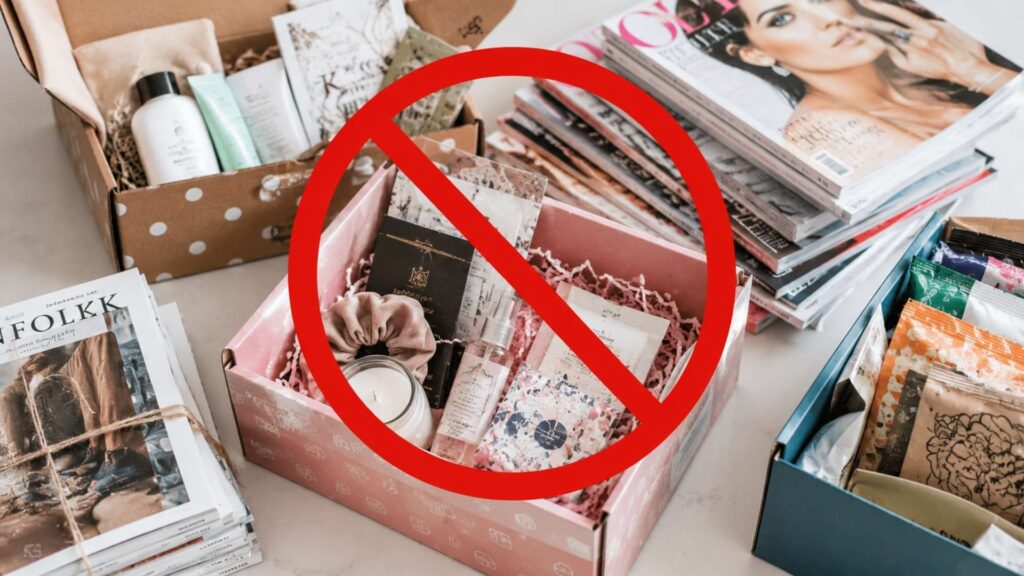
Most content is free online. Audit every recurring charge this week.
6. Cable TV or Premium Channels
Free streaming apps and antenna TV cover most of what cable offers at zero cost.
Category 5: Home and Tech
Unused gadgets, single-use products, and impulse online orders make this category responsible for $60–$120 in monthly waste for most households.
1. Unused Gadgets
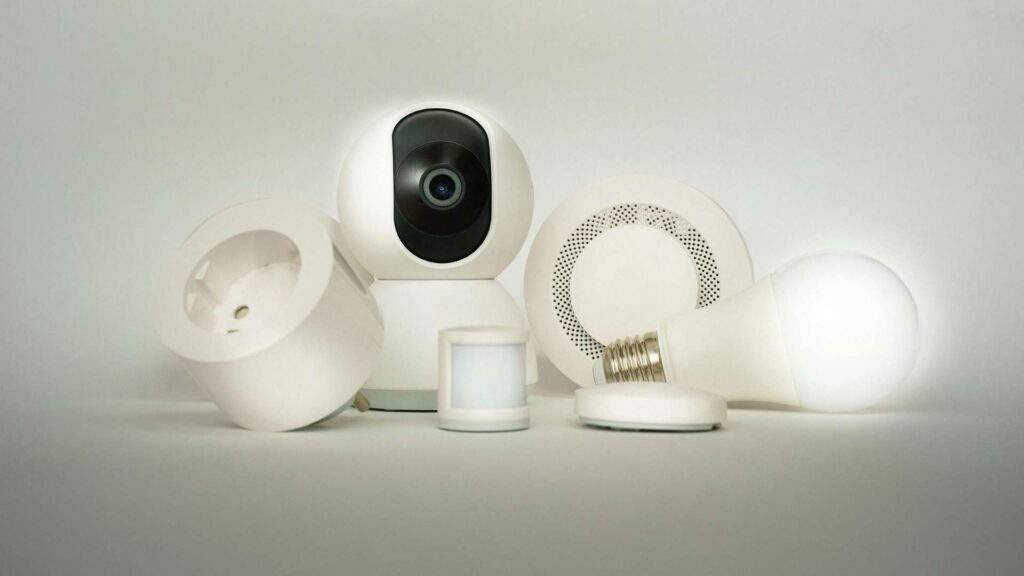
Unused gadgets gathering dust represent hundreds of dollars in bad decisions. Before every tech purchase, ask yourself if you will really use it in your daily life.
2. Decorative Throw Pillows

Decor impulse buys add clutter and cost. A reduced spending mindset means your home stays cleaner and your bank account stays fuller.
3. Expensive Scented Candles
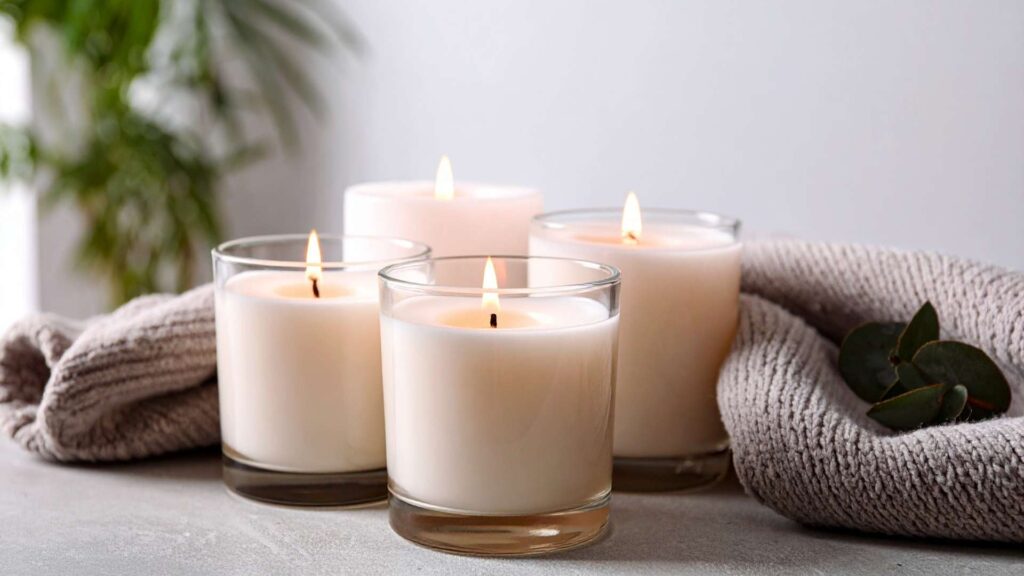
A $35 candle burns out in 40 hours. Beeswax candles or diffusers offer the same ambiance at a much lower cost.
4. Paper Towels
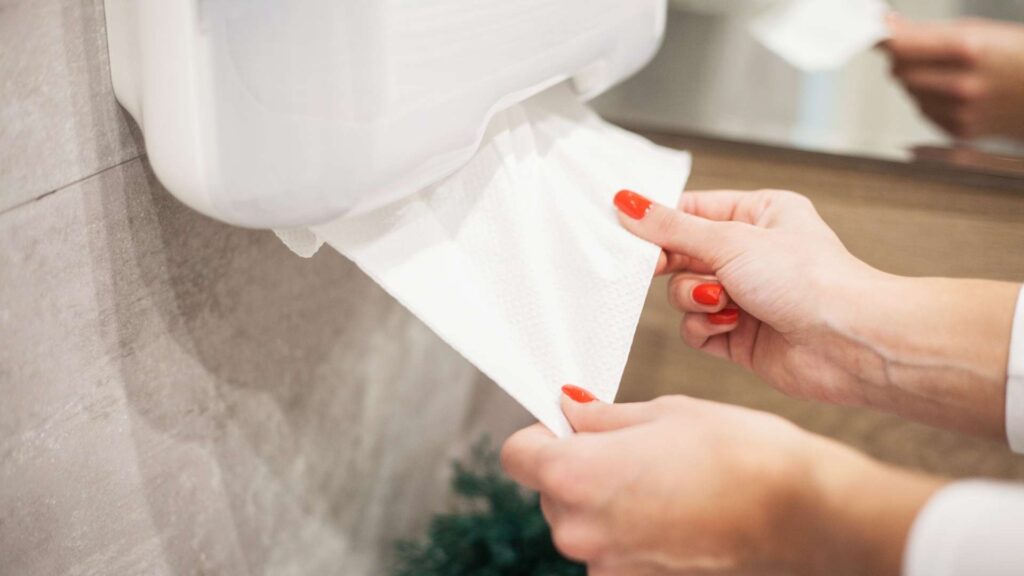
Reusable cloth rags save the average household $200 or more per year. It is one of the easiest daily savings swaps you can make.
5. Impulse Amazon Purchases
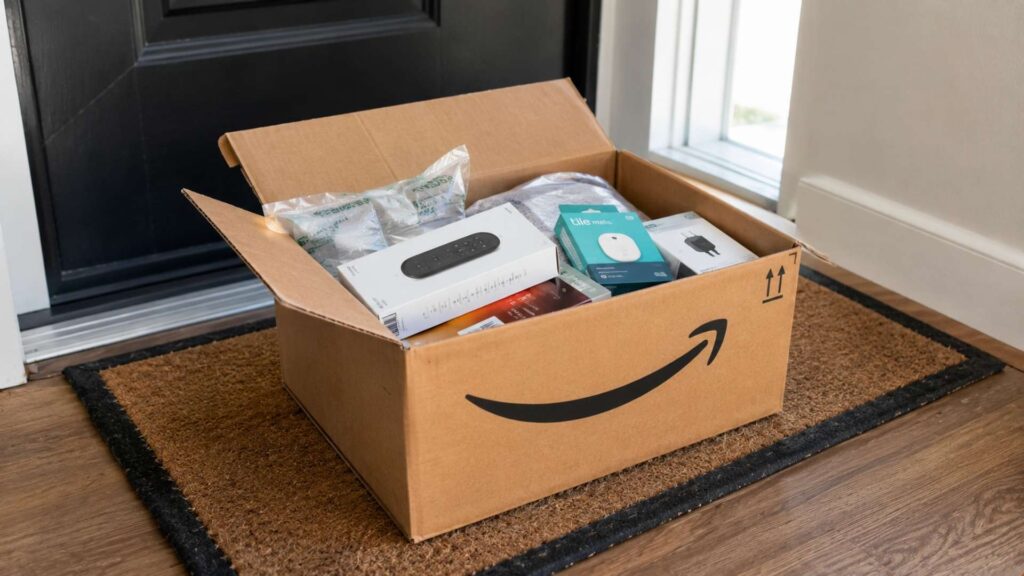
Leave items in your cart for 72 hours. You will be surprised how many things to stop buying simply lose their appeal after a short wait.
Category 6: Transportation and Big Expenses
These are the least obvious leaks, yet skipping premium fuel, daily car washes, and yearly phone upgrades can free up $80–$150 every single month.
1. Daily Car Washes
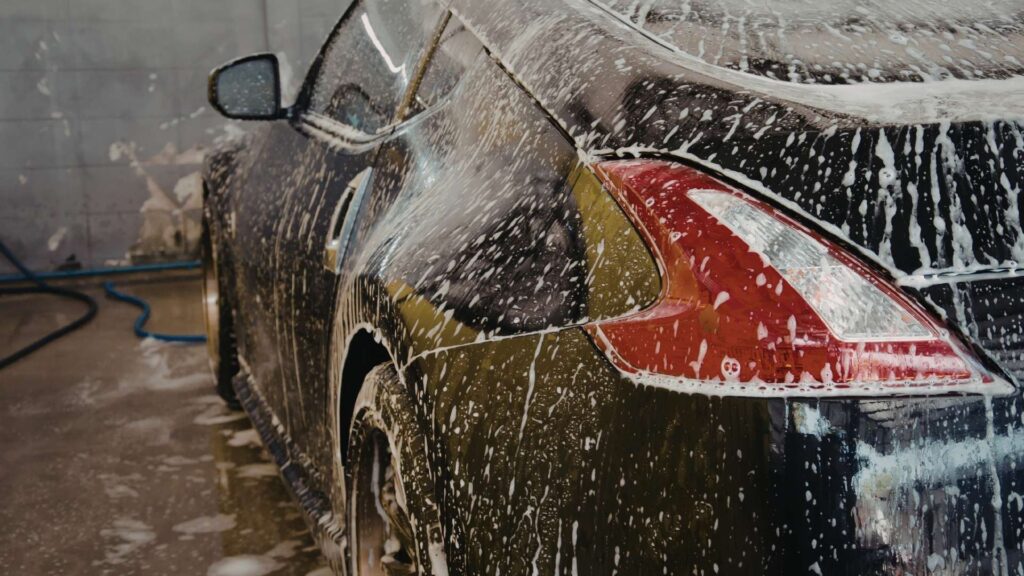
A monthly auto-club membership or a DIY wash is far more economical than a per-visit charge.
2. Premium Fuel When Regular Works
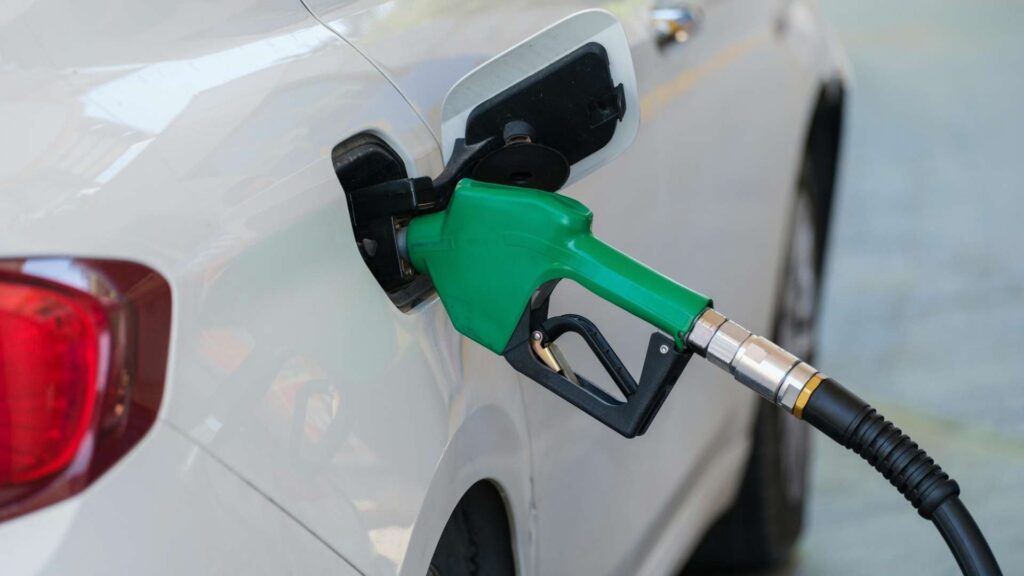
Unless your car manual specifically requires premium, you are burning extra money for zero benefit.
3. Ride-Sharing for Short Trips

Walking or cycling short distances saves money and supports your health. That is a two-for-one win.
4. New Phone Every Year

A two to three year upgrade cycle saves $400 to $600 per cycle with almost no quality loss.
5. Smoking or Vaping Products
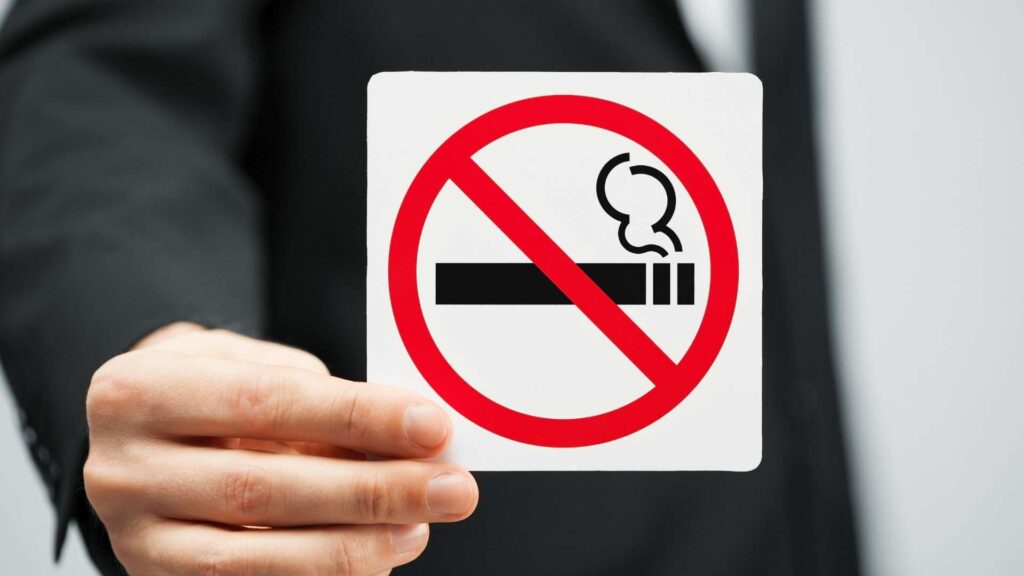
Beyond the serious health impact, a pack-a-day habit costs over $2,500 a year. This is one of the most important things to stop buying on this entire list.
6. Bottled Drinks on the Go

A reusable bottle and home-brewed coffee or tea save $50 to $100 a month easily.
Category 7: Health and Wellness Spending
Most wellness spending sounds responsible on the surface. However, a large portion of it is clever marketing wrapped in health language, and your wallet pays the price.
1. Expensive Gym Supplements

Creatine and basic protein powder are about all that most people actually benefit from. Everything else on the supplement shelf is largely unproven and overpriced.
2. Trendy Detox Teas

Your liver and kidneys already detox your body for free. These products charge $40 to $80 for water, sugar, coffee, and a promise your body does not need.
3. Premium Wellness Apps

Meditation, sleep tracking, and fitness apps almost all have free versions that cover 90% of what the paid tier offers. Audit these before your next renewal date.
4. Overpriced Health Foods With Superfood Labels

Blueberries, oats, eggs, and spinach are genuine superfoods. The $18 adaptogen powder next to them is mostly a marketing label. Stick to real whole foods and reduce spending on trend-driven health products.
5. Unnecessary Chiropractic

For non-specific aches, stretching routines and free physical therapy guides online often deliver the same relief without the co-pay stack. This falls firmly in the category of things to stop buying without a clear clinical reason.
Category 8: Kids and Family Spending
Parents are one of the most heavily marketed-to groups in the country. Every product promises to give your child an edge, but most of it is noise that quietly drains the family budget.
1. Branded Baby Gears

A $900 stroller does not make a better parent or a healthier baby. Store-brand and mid-tier options pass the same safety certifications at a third of the cost.
2. Excess Birthday Gifts

Children genuinely play with a fraction of the toys they own. Experiences like a zoo visit or a museum trip create better memories than a pile of plastic that loses its appeal within two weeks.
3. Character-Branded Snacks

A Paw Patrol yogurt pouch and a plain yogurt pouch have the same nutrition. The character on the label adds 40 to 60 cents per item. Over a school year, that gap adds up to real money.
4. Private Tutoring for Every Subject

Free resources like Khan Academy, YouTube tutorials, and school-provided support cover the majority of academic gaps. Tutors have their place, but they should not be the first response to every homework struggle.
5. Constant Upgrade of Kids Tech Devices

A child does not need the latest tablet or laptop every year. A 2 to 3-year device cycle works perfectly well for schoolwork and entertainment, and it teaches kids that luxury items are not automatic entitlements.
Realistic Savings Breakdown
Catagory
- Coffee and Takeout
- Beauty and Personal Care
- Fashion and Shopping
- Subscriptions and Entertainment
- Home and Tech Impulse Buys
- Transportation
- Health and Wellness
- Kids and Family Spending
- Total Potential
Monthly Savings (USD)
- $120 – $200
- $40 – $80
- $60 – $100
- $50 – $100
- $60 – $120
- $50 – $100
- $40 – $80
- $50 – $100
- $470 – $880+
Many people use the money they save each month to invest in opportunities that help them earn passive income from Etsy printables and build long-term financial security.
Frequently Asked Questions
What are the easiest things to stop buying first?
Start with subscriptions and daily drinks. These are recurring charges you can cancel or replace within 24 hours, and the savings show up immediately on your next bank statement.
How much can frugal living actually save me monthly?
Most people who commit to cutting even 10 to 15 items from this list report saving $300 to $500 per month. Those who take a full budget tips approach consistently hit $600 to $800 or more.
Is cutting these things to stop buying worth the lifestyle change?
Absolutely. The goal is not deprivation, it is making deliberate choices. Most people report feeling less stressed and more in control within the first month of a money-saving habits reset.
Wrapping Up…..
Small decisions made consistently are what build real financial security over time. The things to stop buying on this list are not luxuries you need, they are habits that have quietly stacked up against you. Pick five to ten items from this list to cut this month and track what happens to your savings.
Moreover, remember that financial freedom is not built overnight. It is built one smarter choice at a time. What is one thing you are committing to stop buying starting today? Drop it in the comments; accountability makes all the difference. Once you’ve reduced unnecessary spending, you can redirect that money toward bigger financial goals, including learning how to start an online business with no money and create additional income streams.