


The Project Wrap-Up Checklist Every Freelancer Should Follow
You do not lose repeat clients because your work is bad. You lose them because your project ending feels messy. A project wrap-up checklist fixes that by giving you a clear sequence to follow after delivery. It covers final quality checks, formal client approval, invoicing, feedback, and archiving, all in one repeatable flow.
Most freelancers treat the moment they hit send as the finish line. It is actually the start of the part that determines whether this client hires you again.
This guide gives you a complete freelancer project checklist you can reuse on every single job, no matter what kind of work you do.
Why a Project Wrap-Up Checklist Matters for Freelancers

Your last impression sticks with a client longer than your first one. A sloppy handoff makes months of good work forgettable. A clean one makes you the first name they think of next time a project comes up.
Freelance project closure is not just paperwork to you. It shapes referrals, repeat bookings, and your reputation in ways that show up months later. And you know what? Data also backs this up.
Colorlib found that 42 percent of freelancers get new clients through referrals, and that same pattern starts with how you close the last job, not how you pitch the next one.
The Complete Project Wrap-Up Checklist
Here is your project wrap-up checklist, broken into ten steps you can follow in order every time a project wraps.
Step 1 – Organize Every Deliverable Professionally
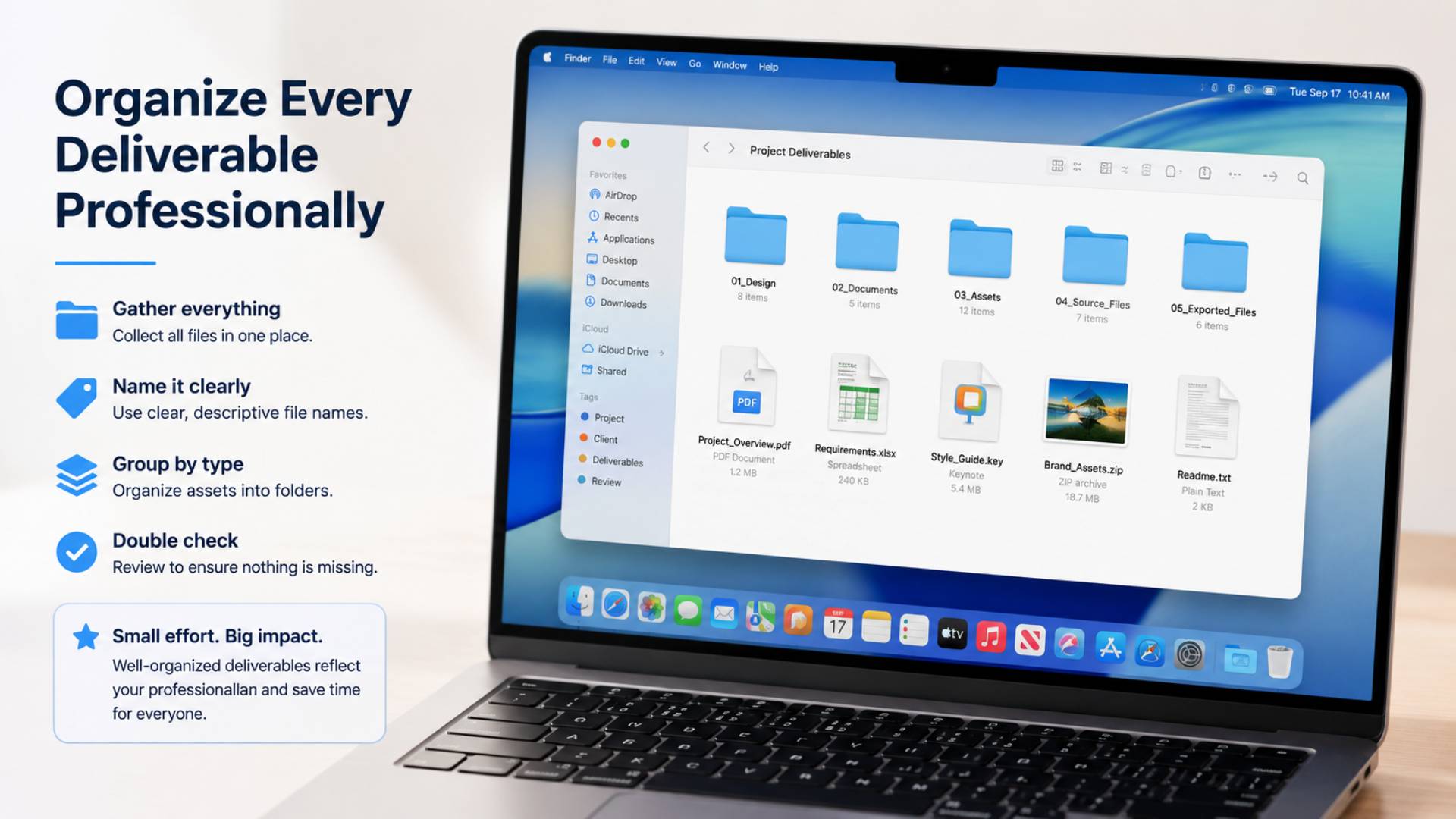
Before you send anything, gather every file in one place. Rename files clearly so your client does not have to guess what each one contains. Group assets by type, then double check nothing got left in an old folder or an outdated version.
A little labeling here saves you a dozen follow-up messages later. Clients rarely ask for organization out loud, but they notice its absence right away. A folder full of files named final, final two, and actual final tells a client something about how the rest of the project was handled too. Ten extra minutes at this stage prevents a week of confused emails afterward.
Step 2 – Perform Quality Assurance Before Delivery

Read through your own work as if you are seeing it for the first time. Check links, spelling, formatting, and file compatibility on different devices. Test anything interactive, like a form or a slider, more than once before it reaches your client.
This step catches the small errors that undercut an otherwise strong project. A five minute review here protects hours of work you already put in. It also helps to step away for a short break before this final pass, since fresh eyes catch mistakes that tired ones miss. Small errors rarely sink a client relationship on their own, but they chip away at trust one broken link at a time.
Step 3 – Deliver Everything in One Organized Package
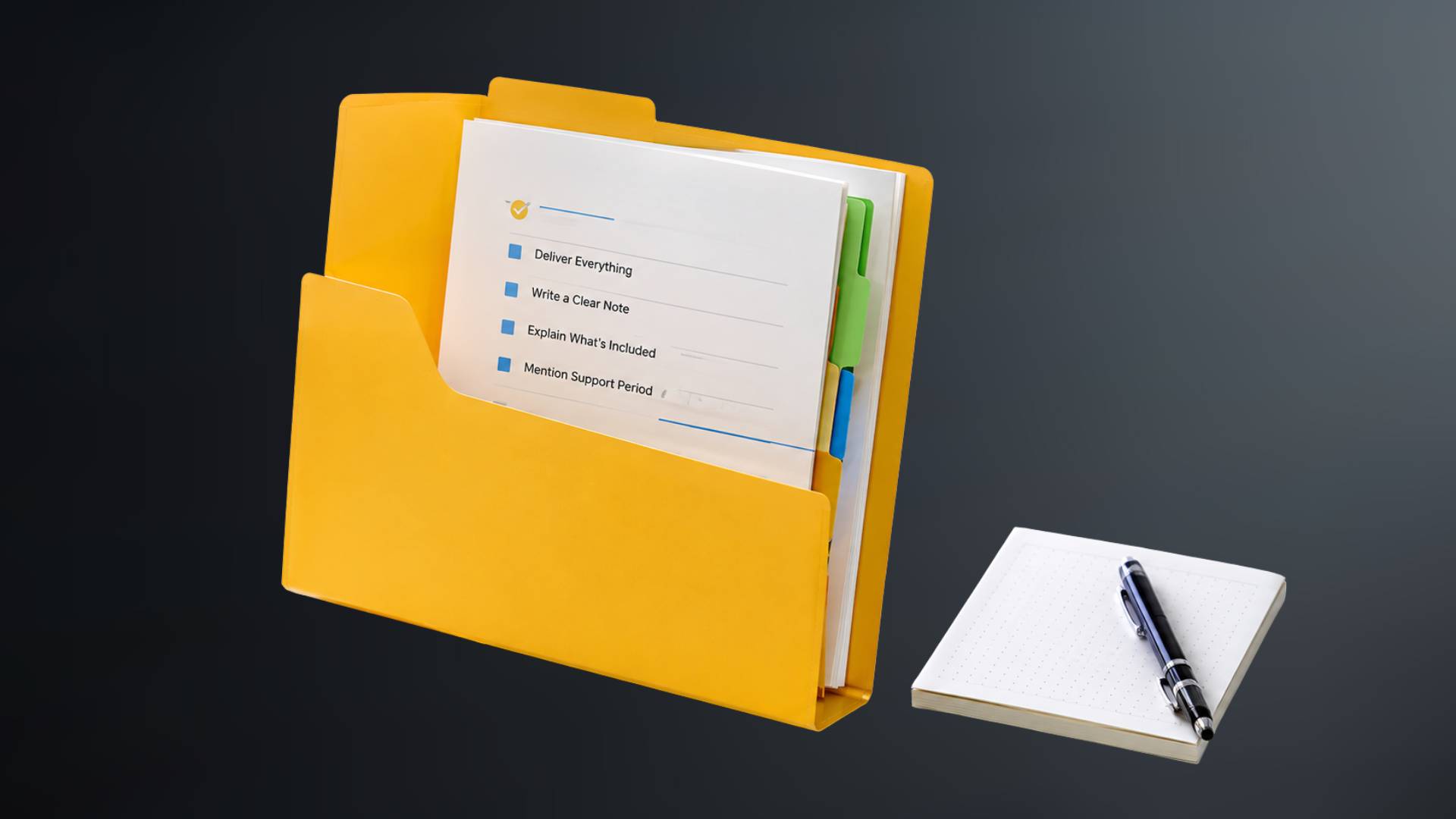
Send your files in a single message or folder instead of scattering them across several emails. Your client should be able to open one link and find everything they need without digging through old threads.
- Write a Professional Delivery Message
Keep your delivery note short and direct. Thank the client, then point them straight to the files. Skip long explanations here since the work should speak for itself, and a cluttered message only delays the moment they actually open your files.
- Explain What Has Been Delivered
List out what is included in plain terms. Mention file formats, version numbers, and any assets that came as extras. This avoids confusion about what was part of the original scope and what was a bonus you added along the way.
- Mention Support Period (if included)
If your agreement includes a window for revisions or questions, state the exact end date. This sets a clear boundary and keeps your final project handoff from dragging on indefinitely. Clients respect a clear timeline far more than a vague promise to help whenever needed.
Step 4 – Get Formal Client Approval
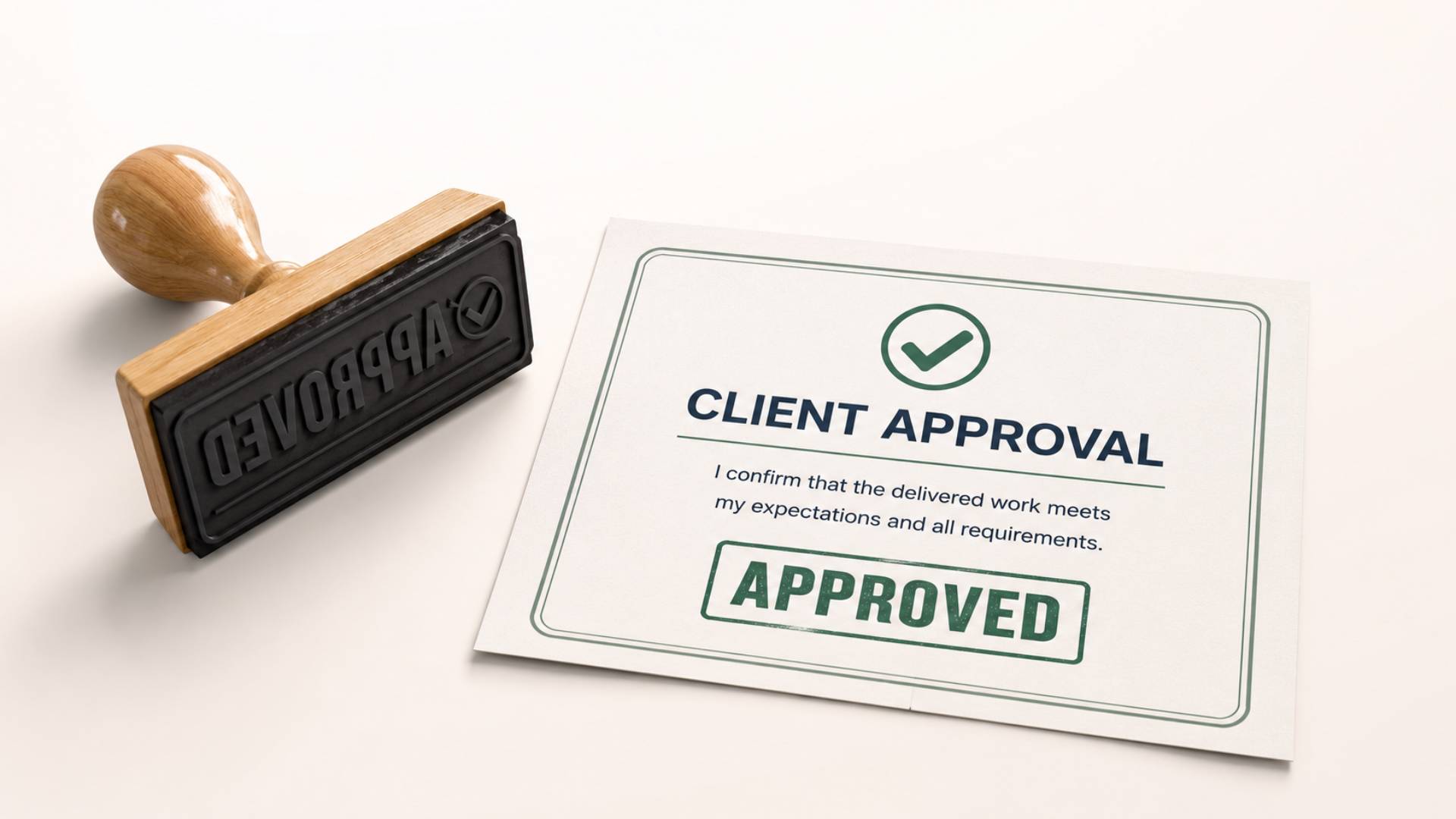
Ask your client to confirm in writing that the deliverables meet their expectations. A simple reply saying everything looks good is enough. This project sign-off protects you if questions come up months later, especially once memories of the original agreement have faded.
Skipping this step is one of the most common gaps in freelance workflow, and it is also one of the easiest to fix. A single written confirmation can save you from a drawn out dispute down the road, and it costs you nothing more than one polite follow up message.
Step 5 – Send the Final Invoice
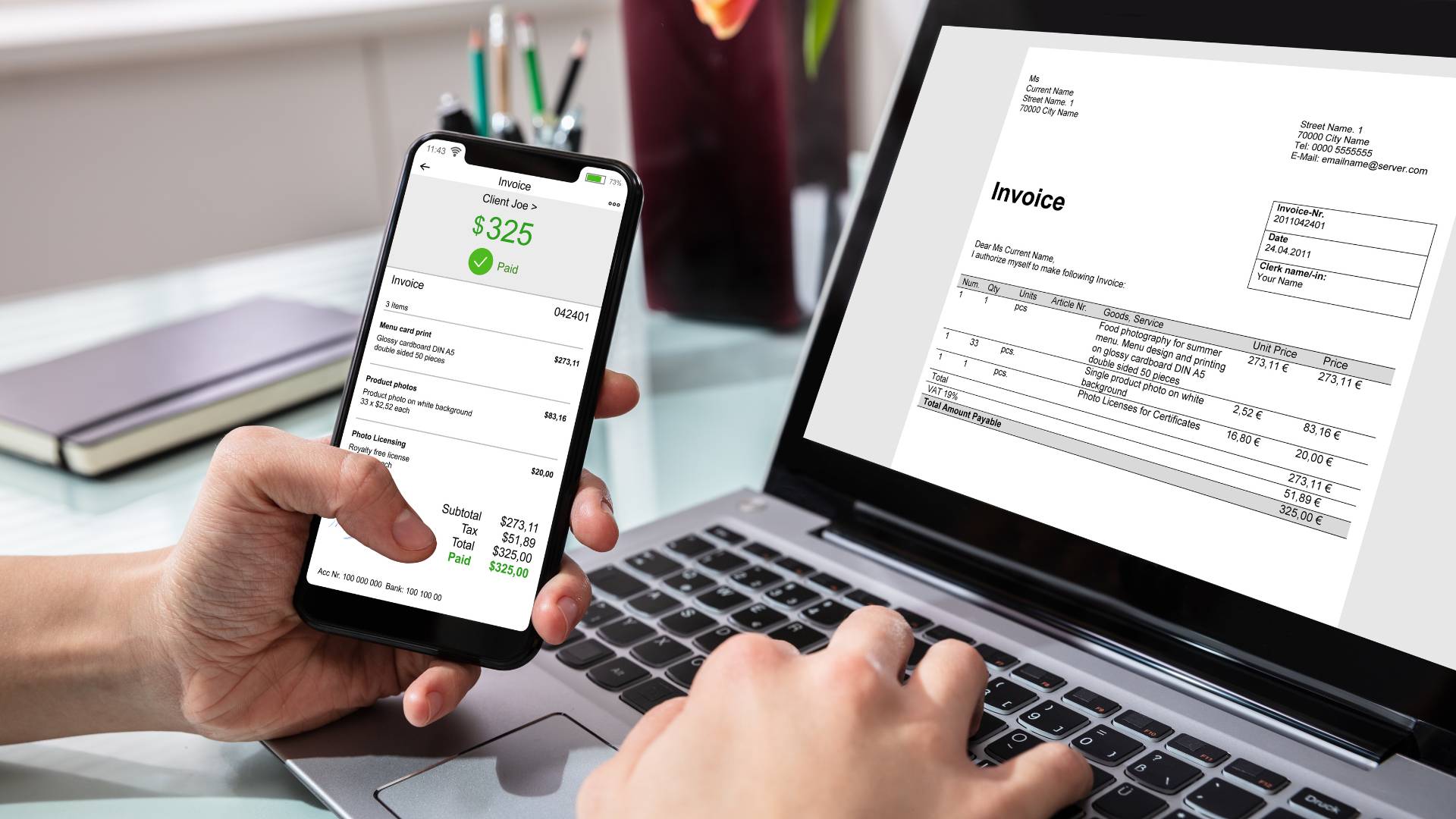
Send your final invoice as soon as you get approval, not days later. Freelancers who delay invoicing tend to get paid later too. Research from Bonsai found that 29 percent of freelance invoices are paid at least one day late, and prompt sending is one of the simplest ways to avoid joining that number.
Include your payment terms, due date, and accepted methods clearly on the invoice itself. Ambiguity here is often what causes delays in payment confirmation. A client who has to ask what account to send money to is a client whose payment just got pushed back another day.
Keep the invoice format consistent across every project so it becomes something clients recognize and process quickly.
Step 6 – Ask for Feedback While Satisfaction Is Highest

Your client’s satisfaction peaks right after a successful delivery. This is the best moment to ask how the project went. A short, specific question works better than a generic one, since a vague ask tends to get a vague answer.
Try asking what part of the process worked well for them. Their answer often tells you exactly what to repeat with the next client. This small habit turns every finished project into a source of insight, not just a finished invoice sitting in your records.
Step 7 – Request a Testimonial or Review

Once feedback comes in positive, ask if you can use it as a testimonial. Most happy clients say yes without hesitation, but very few offer one unprompted, so the ask usually has to come from you.
This single step supports your entire referral strategy going forward. A short quote on your website does more for new client trust than almost anything else you can add. Keep the ask simple and specific, something like permission to share their comment alongside their name and company. Most people are glad to help once you make it easy for them.
Step 8 – Archive the Entire Project

Move every file, message thread, and contract into one labeled project archive. Store it somewhere searchable, not buried in your downloads folder or scattered across three different apps.
This habit saves you real time. If a client returns in a year asking for a small update, you will find everything in minutes instead of digging through old emails trying to remember which platform you used. A consistent archive system also protects you if a dispute ever comes up, since you can pull up the original files and approvals in seconds.
Step 9 – Update Your Portfolio

Add the finished project to your portfolio while the details are still fresh in your mind. Write a short case study covering the goal, your approach, and the outcome. If you are also working on new offerings, Best Freelance Skills to Learn in 2026 is a useful read for deciding what to add next to your services.
An updated portfolio does more selling for you than a cold pitch ever will. A prospective client reading a real case study gets a clearer sense of your work than any list of skills could give them.
Step 10 – Schedule a Future Follow-Up

Set a reminder to check in with this client in a few months. A short, low pressure message asking how things are going often opens the door to new work, even if there is nothing urgent to discuss.
This is where client offboarding checklist habits turn into long term relationships. Since SQ Magazine found that 41 percent of freelancers get new work from previous clients, this single follow up habit can end up carrying a large share of your future bookings. A simple calendar reminder costs you nothing today and often pays off months later.
Tools That Make Project Wrap-Ups Easier
The right tools turn this checklist from a mental list into an actual system you can run on autopilot.
1. Project Management
- Trello
- Asana
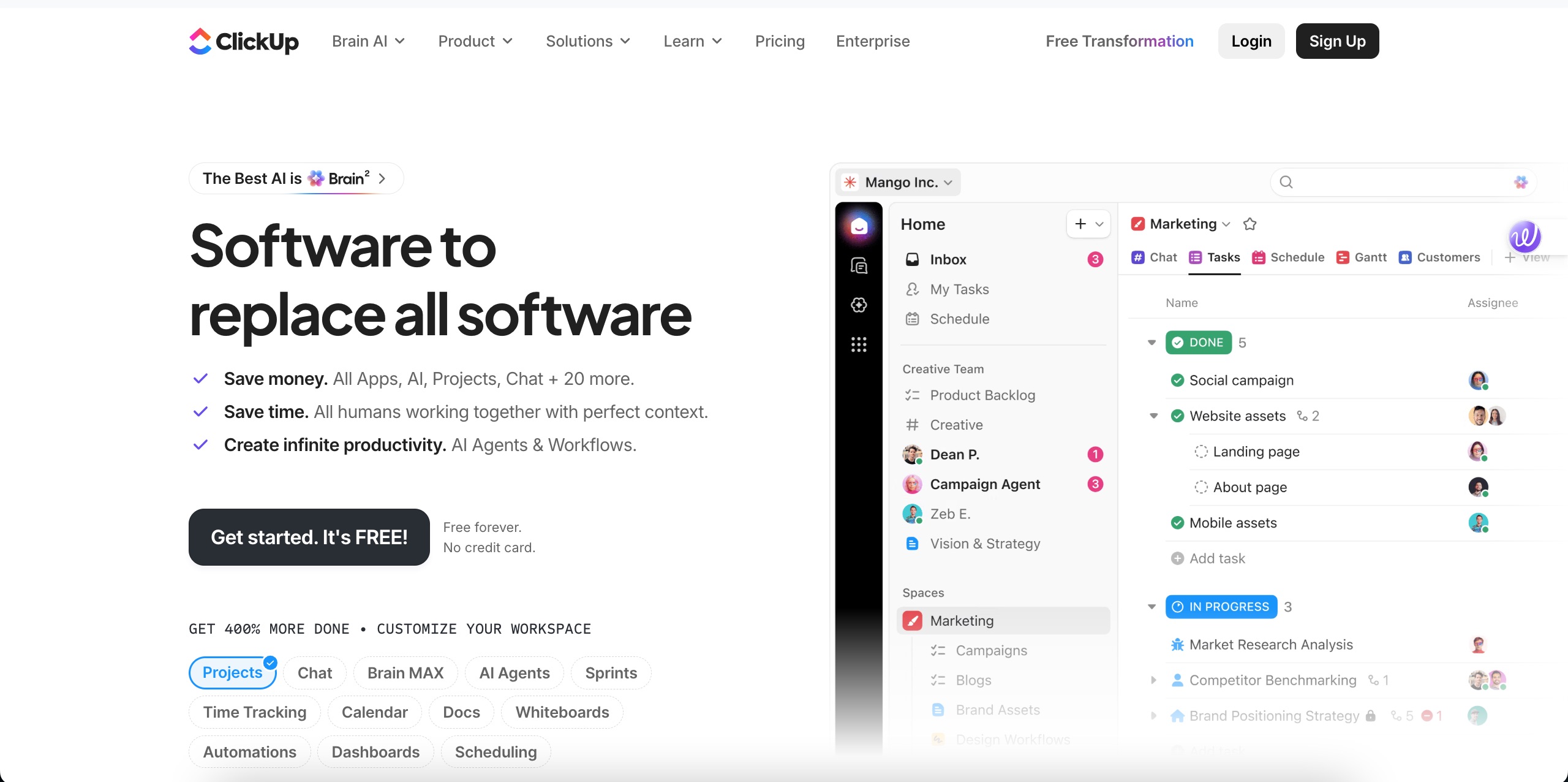
- ClickUp
These tools keep every step of your project completion checklist visible in one board, so nothing slips through during a busy week packed with multiple clients.
2. File Sharing
- Google Drive
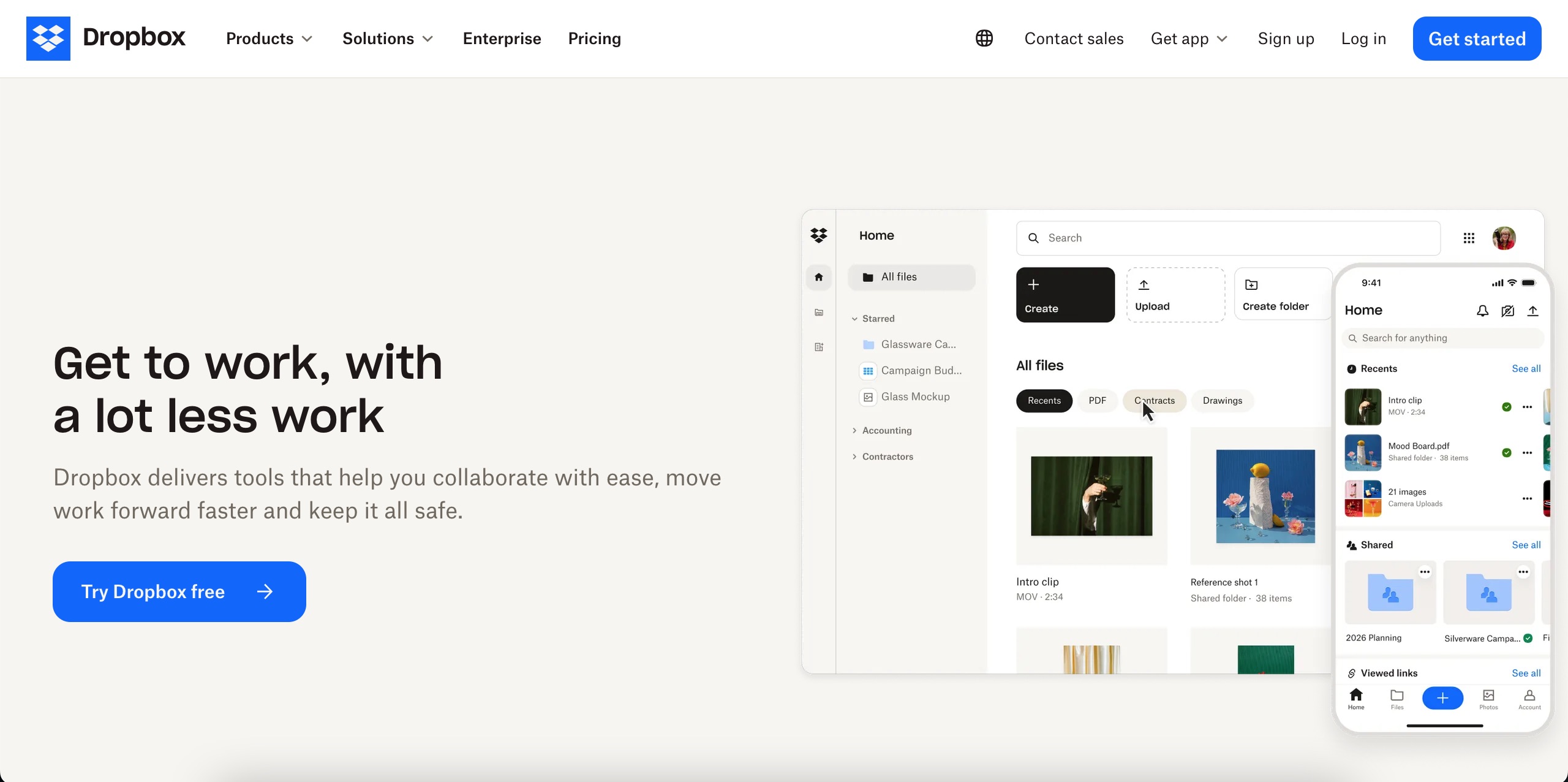
- Dropbox
Both of these cloud storages let you organize final deliverables into a single shared folder your client can access anytime, without needing you to resend a link later.
3.Password Sharing

- 1Password
- Bitwarden
If your project involves login credentials, these tools let you hand them off securely instead of pasting them into an email where they can sit exposed indefinitely.
4. Invoicing

- Paypal
- Payoneer
- Bonsai
These platforms automate reminders and speed up payment confirmation, which directly cuts down on late invoices without you needing to chase anyone manually.
5. Documentation
- Notion
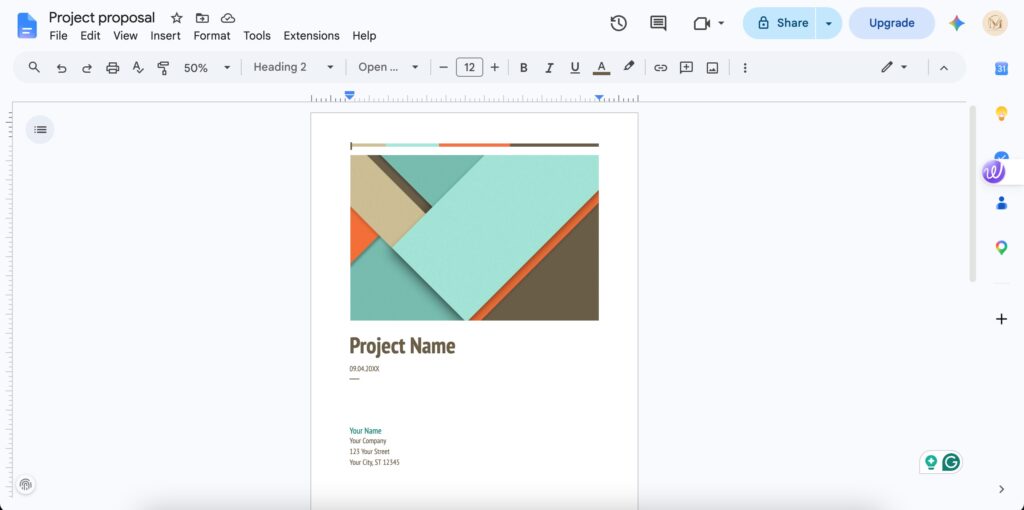
- Google Docs
Use either one to store your project archive, client notes, and reusable delivery templates in a format you can search later without starting from scratch each time.
FAQs
When should freelancers send the final invoice?
Send it right after you get client approval, not days later. Quick invoicing tends to lead to quicker payment, and waiting rarely works in your favor.
How do you professionally end a freelance project?
Deliver everything in one clean package, get written approval, then send your invoice. A short thank you message ties the whole thing together nicely and leaves a good final impression.
How long should freelancers provide post-project support?
Most freelancers offer one to two weeks of minor support after delivery. State this window clearly up front so expectations stay realistic on both sides.
Wrapping Up…
A strong project wrap-up checklist turns a good project into a lasting client relationship. The steps here, from quality checks to formal approval to a timely invoice, protect both your income and your reputation. None of them take long, but skipping them quietly costs freelancers referrals and repeat work every single day, often without them noticing why the work has slowed down.
The data makes the case clearly. Repeat clients and referrals make up the majority of new freelance work, and both start with how well you close out the last job. A rushed or messy ending erases the goodwill you built during the entire project, sometimes in a single careless email.
Treat every wrap-up as seriously as you treat the actual deliverable. If you are also refining how you bring new clients in from the start, pairing this process with a Client Onboarding Checklist creates a complete cycle that keeps your freelance business running smoothly from first message to final invoice.