


How to Build self-discipline From Scratch – Beginner Friendly Guide
In 2002, a research was conducted by national institutes of health on the practice of self-control. And you know what, the results were stunning. People with strong self-discipline earn better grades, maintain healthier relationships, and achieve higher career success.
This finding proves that discipline is not an innate trait but a skill anyone can develop. The ability to build self-discipline determines the difference between those who reach their goals and those who merely dream about them.
Honestly speaking, your current habits reflect your past choices, not your future potential. So when you decide to build self-discipline, you take control of your actions regardless of how you feel in the moment.
This guide provides actionable strategies that work for complete beginners without overwhelming you.
What Self-Discipline Actually Means?
Self-discipline is the ability to do what needs to be done even when you don’t feel like it. This skill separates successful people from those who constantly struggle. You develop better mindset when you start building your mental wellness foundation alongside discipline, because feelings are temporary but consistent actions create lasting results.
Most people wait for motivation before they act. This approach keeps them stuck because motivation comes and goes unpredictably. True discipline means you take action first and let motivation follow. Your brain learns to trust your commitments when you honor them consistently.
Step-By-Step Guide on How You’ll Build Self-Discipline From Scratch
The following strategies provide a clear path to develop lasting discipline without confusion or overwhelm. Each step builds upon the previous one to create sustainable change.
1. Start With One Tiny Habit

The biggest mistake beginners make is trying to overhaul their entire life at once. This approach exhausts your willpower and leads to burnout within days. Choose one simple habit that takes less than two minutes to complete each day.
Make your bed immediately after waking up to create your first victory of the day. This small act programs your brain for success and gives you a sense of accomplishment. The physical action of completing a task triggers psychological benefits that carry forward.
Once this habit becomes automatic after a few weeks, add another small behavior. This gradual approach helps you build self-discipline without the overwhelm that causes most people to quit.
Your brain adapts to new patterns more easily when changes feel manageable rather than impossible.
Examples of Two-Minute Starter Habits
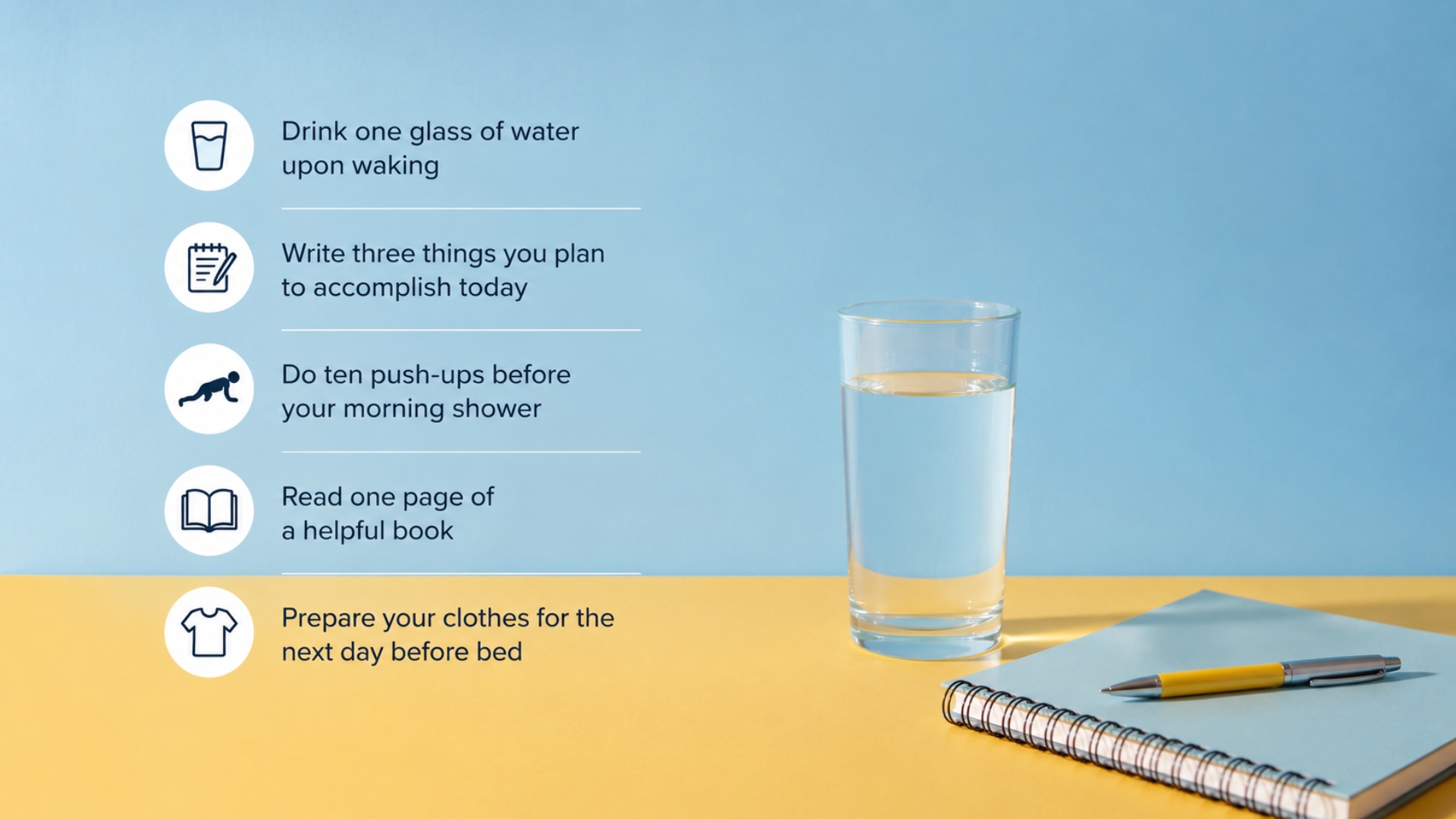
- Drink one glass of water upon waking
- Write three things you plan to accomplish today
- Do ten push-ups before your morning shower
- Read one page of a helpful book
- Prepare your clothes for the next day before bed
2. Create a Non-Negotiable Morning Routine

How you start your day determines the quality of everything that follows. A consistent daily routine removes decision fatigue, and having the right morning routine to lock in is what puts those positive habits on autopilot.
Avoid checking your phone for at least the first 30 minutes after waking. This boundary protects your mental space from external demands and allows you to stay focused on your priorities. Social media and emails can wait until you complete your most important morning tasks.
Include activities that energize your body and calm your mind. Physical movement boosts energy levels while quiet reflection centers your thoughts. These daily discipline habits compound over time to transform your entire life.
Build Your Ideal Morning Sequence
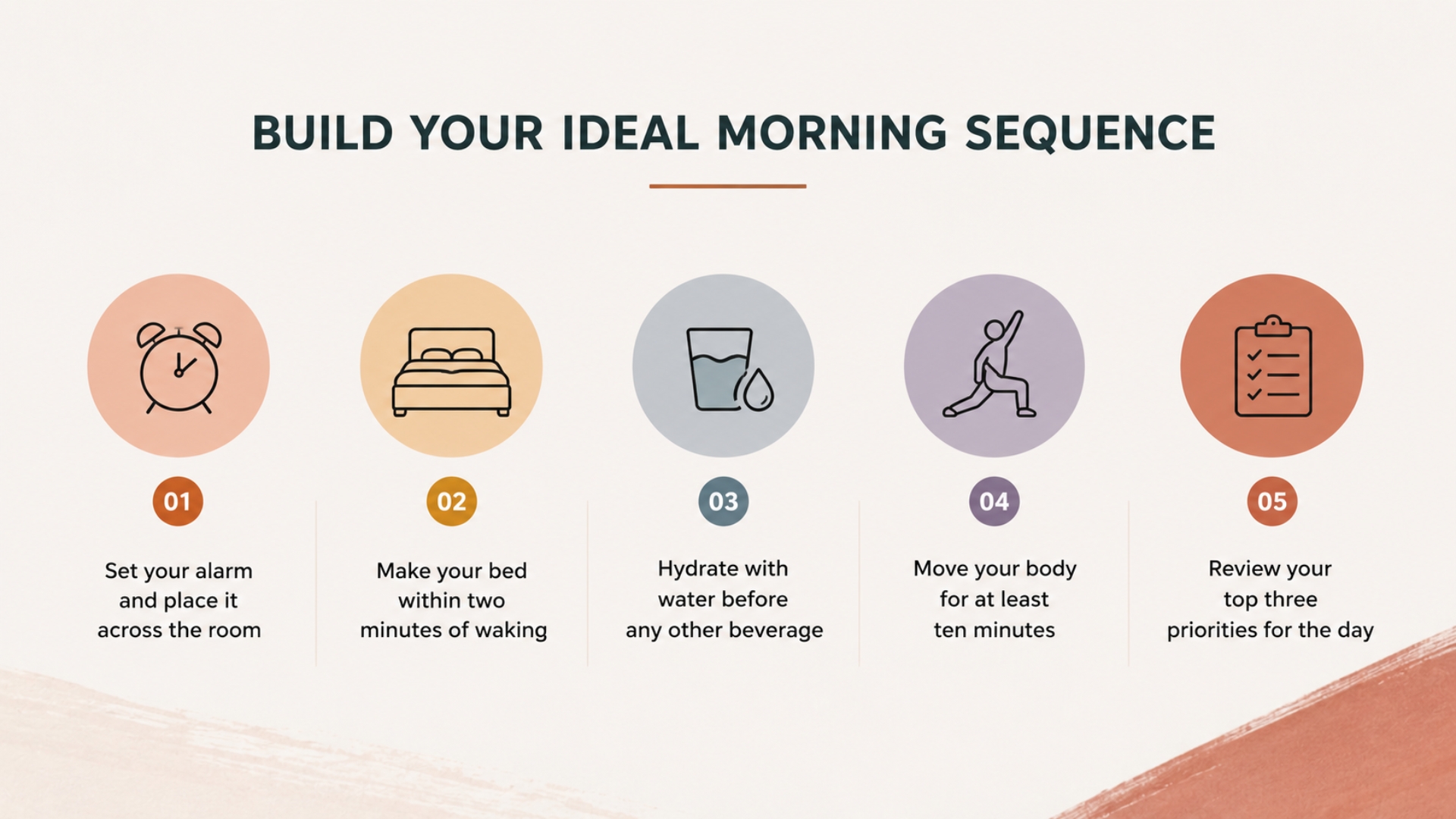
- Set your alarm and place it across the room
- Make your bed within two minutes of waking
- Hydrate with water before any other beverage
- Move your body for at least ten minutes
- Review your top three priorities for the day
3. Master the Art of Saying No

Every yes to something unimportant is a no to something that matters. You build self-discipline when you protect your time and energy from activities that don’t align with your goals. Learning to decline requests politely is a form of self control that successful people master early.
People-pleasing destroys your ability to focus on personal growth tips that actually serve you. Evaluate each opportunity against your current priorities before committing. Ask yourself if this activity moves you closer to your goals or simply keeps you busy.
Practice saying no to small things first because these small refusals also help you build real confidence alongside your discipline. Decline the extra dessert, skip the unnecessary meeting, or turn down plans when you need rest. These micro-decisions train your brain to choose long-term benefits over short-term gratification.
4. Track Your Progress Visually

What gets measured gets improved because tracking creates accountability. Buy a simple calendar and mark an X on each day you complete your chosen habit. This visual representation motivates you to maintain your streak.
The chain of X marks becomes a powerful motivator that you won’t want to break. Your brain releases dopamine when you see evidence of your consistency. This natural motivation boost makes it easier to build better habits without relying on external rewards.
Be honest in your tracking without judgment when you miss a day. Self-discipline for beginners includes self-compassion when setbacks occur. The goal is progress over perfection, so get back on track immediately rather than spiral into self-criticism.
5. Remove Temptations From Your Environment

Willpower is a limited resource that depletes throughout the day. Smart people design their surroundings to make good choices easier and bad choices harder. When you build self-discipline, you set yourself up for success by controlling what you see and access.
Keep junk food out of your home if you want to eat healthier. Delete social media apps from your phone if you want to increase productivity naturally. Place your running shoes by your bed if you want to exercise each morning. These environmental changes reduce the mental effort required to stick with productive lifestyle choices.
Your physical space either supports your goals or sabotages them. Evaluate each room in your home and eliminate items that trigger unproductive behaviors. Replace them with tools and reminders that align with the person you want to become.
Environment Design Strategies

- Keep your workspace clean and organized
- Place books in visible locations instead of hidden shelves
- Set out workout clothes the night before
- Use website blockers during work hours
- Keep healthy snacks at eye level in your refrigerator
6. Practice Delayed Gratification Daily

The ability to wait for better rewards separates disciplined people from impulsive ones. Train yourself to pause before making decisions that offer immediate pleasure. This gap between impulse and action is where you improve self control.
When you want to buy something non-essential, wait 24 hours before purchasing. This cooling-off period helps you distinguish between true needs and temporary wants. Most impulses fade when you give them time to pass.
Apply this same principle to food, entertainment, and time management. Choose the harder task first before rewarding yourself with easier activities. Your brain learns to tolerate discomfort when you consistently choose delayed rewards over instant satisfaction.
7. Build Accountability Into Your System

Telling others about your goals increases your commitment level significantly. Find someone who will check on your progress without judgment. This external accountability makes you think twice before breaking your promises to yourself.
Join a group of people who share similar beginner self improvement goals. The collective energy and shared experiences make the journey less lonely. You learn from others’ mistakes and celebrate wins together.
Consider working with a coach or mentor who has already achieved what you want. Their guidance helps you avoid common pitfalls and stay on track. Sometimes the investment in professional support becomes the catalyst that helps you finally build self-discipline.
8. Celebrate Small Wins Regularly

Recognition of progress fuels continued effort and strengthens positive habits. Acknowledge yourself each time you follow through on a commitment. This celebration does not need to be elaborate or expensive.
Take a moment to feel proud when you complete your daily tasks. Write down your wins in a journal to create a record of your growth. These notes become powerful reminders during difficult days when motivation feels low.
Reward yourself appropriately after reaching milestones in your journey. Choose rewards that align with your values rather than sabotage your progress. A massage, new book, or quality time with loved ones makes better celebration choices than behaviors that contradict your goals.
Frequently Asked Questions
1. How do I start self-discipline?
Start with one small habit you can repeat daily. For example, commit to five minutes of focused work each day. As a result, consistency becomes easier, and your confidence gradually grows.
2. Why do I lack self-discipline?
Often, self-discipline feels difficult because goals are too big or unclear. Instead, break tasks into smaller steps. This way, you reduce overwhelm and build momentum more naturally.
3. How long does self-discipline take?
Self-discipline develops over time through repeated actions. Although progress may feel slow at first, consistent effort eventually turns positive behaviors into lasting habits.
Conclusion – The Bottom Line!
You now have a practical roadmap to build self-discipline from scratch without previous experience. These strategies work because they focus on small consistent actions rather than dramatic transformations. Remember that every expert was once a beginner who refused to quit.
Self-discipline for beginners is not about perfection but about showing up daily even when it feels hard. Start with one habit today and trust the process as you gradually add more structure to your life. Your future self will thank you for the commitment you make right now to become someone who follows through regardless of circumstances or feelings.