

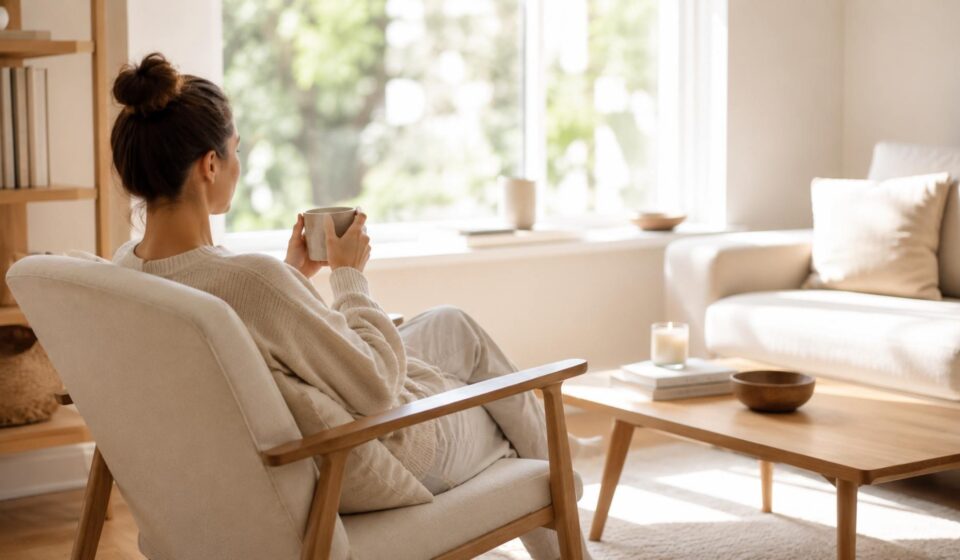
How to Start Simple Living in a Fast-Paced World – Simple Steps!
Life moves fast now. Notifications ping before you finish your coffee, calendars fill up weeks in advance, and rest feels like something you have to earn. That’s exactly why so many people are turning to simple living in a fast-paced world instead of fighting the noise head on. It’s not about running away to a cabin. It’s about choosing what actually matters and letting go of the rest.
This guide walks through real, doable steps. No fluff, no vague advice. Just a clear path toward a calmer, more grounded way to live.
What Simple Living Really Means?
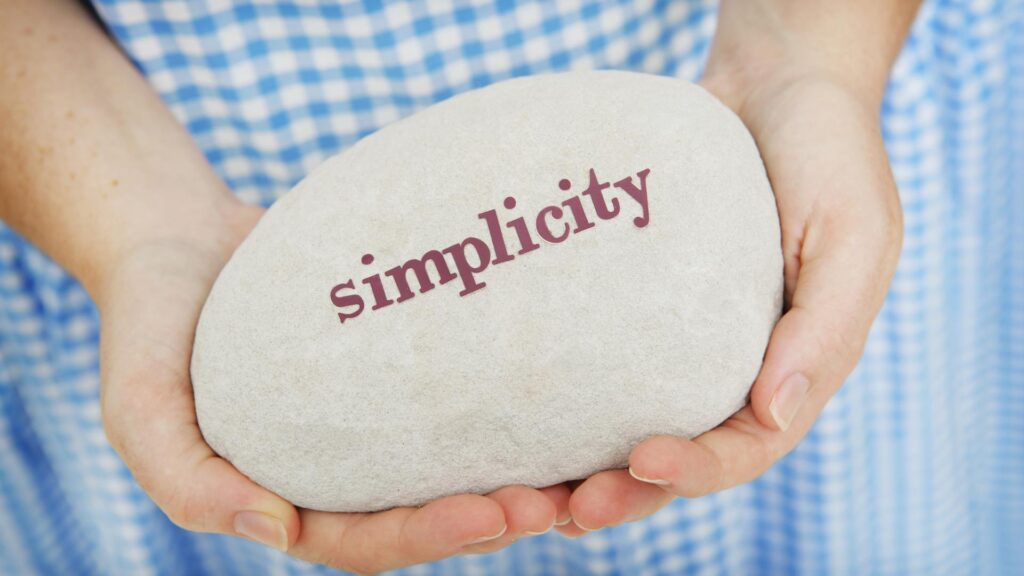
Simple living isn’t about owning nothing or quitting your job. It’s a mindset built around a minimalist lifestyle where fewer things and fewer commitments leave more room for what counts. You keep what serves you and drop what drains you.
Most people who try it don’t do it all at once. They start small and build from there.
Why We Crave a Slower Pace?
Our bodies and minds weren’t built for constant urgency. Studies from the American Psychological Association have linked chronic busyness to higher cortisol levels and lower focus over time. That’s part of why the slow living lifestyle has caught on. People aren’t rejecting ambition. They’re rejecting exhaustion.
Intentional living asks a simple question before every commitment: does this add value or just add noise? Once you start asking it, decisions get easier.
6 Habits to Start Simple Living From Now On!
Below are the best habits to Start Simple living in this chaotic world.
1. Start With One Small Habit

Trying to overhaul your whole routine in one weekend rarely works. It burns you out fast and you end up back where you started. Instead, pick one habit and stick with it for a few weeks.
Our guide on 10 Simple Living Habits That Save Time and Energy breaks down small changes that add up without draining your motivation.
A few ideas to try first:
- Set a fixed time to check email instead of checking it all day
- Cook one meal a night instead of ordering out
- Keep your phone in another room during meals
Simple habits like these don’t ask for much, but they shift your whole day.
2. Clear Out What You Don’t Need
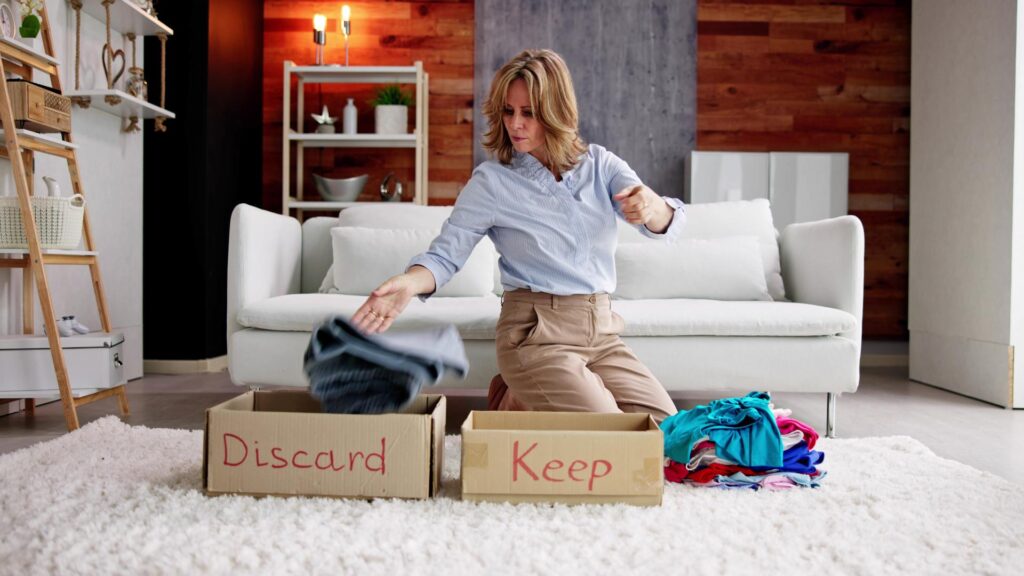
Clutter isn’t just physical. It’s mental too. A messy closet or an inbox with four thousand unread messages both pull at your attention in the same quiet way.
Decluttering doesn’t mean tossing everything you own. It means asking what you actually use and what just sits there taking up space. When you declutter your life, even a little, you free up energy for things that matter more.
Try this approach room by room:
- Pick one drawer, shelf, or folder at a time
- Remove anything you haven’t touched in a year
- Give away what’s still useful to someone who’ll use it
A minimal lifestyle doesn’t happen overnight. It builds one cleared space at a time.
3. Design a Calm Home Space
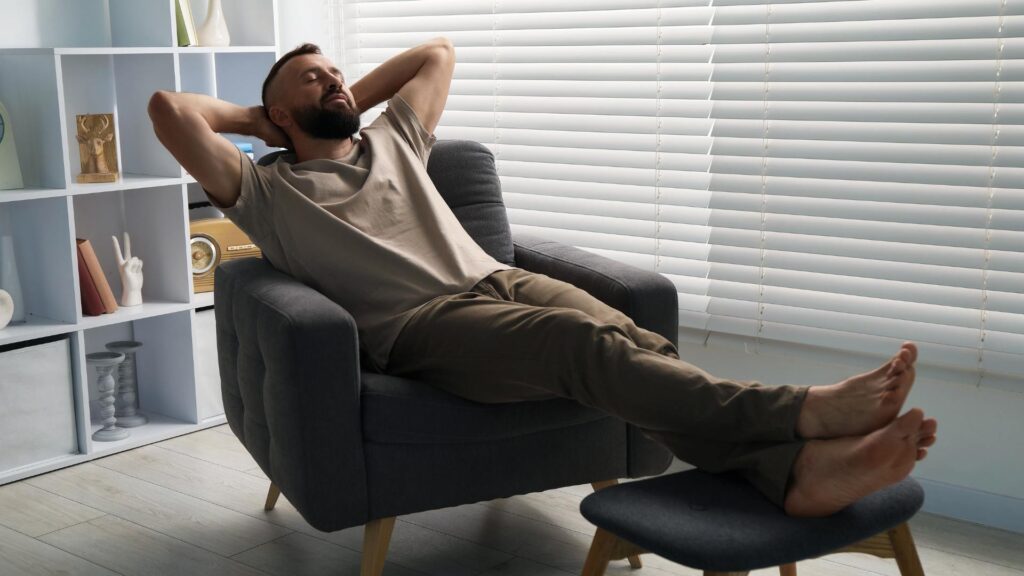
Your surroundings shape your mood more than most people realize. A room packed with color, clutter, and clashing textures can leave you tense without you knowing why. Soft, muted tones tend to have the opposite effect.
If you’re rethinking your space, check out Best Colors for a Calm and Peaceful Room for ideas that actually hold up over time, not just trends that fade in a year.
A peaceful life often starts with a peaceful room. It’s one of the easiest places to make a change you’ll notice right away.
4. Step Away From Your Screen

Phones and laptops keep us connected, but they also keep us wound up. Constant scrolling trains the brain to expect a hit of new information every few seconds, which makes it harder to sit still or think clearly.
Digital detox tips don’t require deleting every app you own. Start with boundaries, like no phone for the first hour after waking up, or no screens after nine at night. Some people go further and try a 30 Day Digital Detox Challenge to reset their habits completely.
Even a partial break from screens can bring back a level of mental clarity that constant notifications tend to erase.
5. Build Habits That Lower Stress

Stress doesn’t always show up loudly. Sometimes it’s just a tight jaw or a short temper you can’t quite explain. Reduce stress naturally by building small daily rituals instead of relying on quick fixes.
A few habits worth building:
- A ten-minute walk without your phone
- A set bedtime, even on weekends
- Five minutes of quiet before checking any screen
None of these take much time, but they add up to less stress across a week, a month, a year.
6. Live With Purpose Each Day
Mindful living isn’t about meditating for an hour every morning. It’s about paying attention to what you’re doing while you’re doing it, instead of running on autopilot from one task to the next.
When you live with intention, you stop filling your days just to feel busy. You start choosing activities based on what they give back to you. That shift alone can bring more life balance than any planner or productivity app.
Mindful habits like eating without a screen in front of you, or actually listening during a conversation instead of half-listening, sound small. But they change how connected you feel to your own life.
Does Simple Living in a Fast-Paced World Work?

Research from UCLA’s Center on Everyday Lives of Families found that homes with less clutter and clearer routines reported lower stress among family members. That’s not a coincidence. A simpler life tends to support a healthier lifestyle overall, both mentally and physically.
You don’t need to move off the grid or give up modern conveniences. A sustainable lifestyle built on fewer things and clearer priorities can exist right alongside a busy job and a full calendar.
Simple living in a fast-paced world isn’t a contradiction. It’s a response to it.
FAQs
Is simple living the same as minimalism?
Not exactly. Minimalism focuses on owning less, while simple living includes your schedule, habits, and mindset too.
How long does it take to feel a difference?
Most people notice small shifts in mood and focus within two to three weeks of consistent habits.
Do I need to quit social media completely?
No. Setting clear limits, like specific check-in times, often works better than quitting cold turkey.
Final Thoughts!
You don’t have to change everything this week, or even this month. Pick one habit from this list and give it real time before adding another. That’s how simple living actually sticks, not through one big reset, but through small, steady choices that build on each other. The world around you will keep moving fast. How you choose to move through it is still up to you.