
Do a Duplicate Item Audit Before Buying Anything New
You open a kitchen drawer looking for scissors and find three pairs. A cabinet reveals two half-used bottles of the same cleaning spray. Somewhere in storage, there’s probably a second phone charger you bought because you couldn’t find the first one.
This happens in almost every home, and it quietly drains money while filling up space you don’t have. A duplicate item audit fixes this by walking through your closets, cabinets, and storage before you buy anything new.
This guide covers exactly how to check what you own, organize it into simple categories, and ask the right questions before your next purchase, so you stop paying twice for things you already have.
Why We Buy Duplicates?

Duplicate purchases usually come from forgetting what’s already tucked away in a drawer or bin rather than genuine need. Life gets busy, storage gets disorganized, and by the time you’re standing in a store aisle, it’s easier to just grab another one than to remember what’s buried at home.
Convenience shopping makes this worse. One click ordering and same day delivery remove the natural pause that used to happen between wanting something and actually buying it, which means duplicate purchases slip through far more easily than they used to.
Step-By-Step Guide to Do a Duplicate Item Audit
Step 1. Check Before You Shop
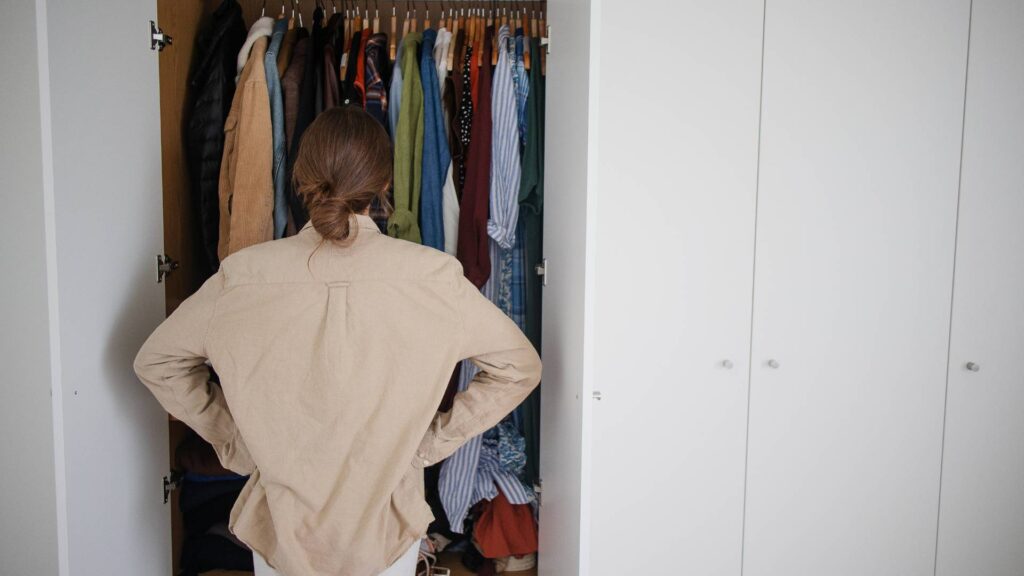
Before adding anything to your cart, physically look through the places duplicates tend to hide. This single habit prevents more unnecessary purchases than almost anything else on this list.
Places worth checking first:
- Look in closets, including the back corners and top shelves
- Check kitchen cabinets, especially ones you rarely open
- Search storage bins in the garage, basement, or attic
- Review bathroom supplies under the sink and in medicine cabinets
Most people are surprised by what turns up once they actually look. A five minute check before shopping saves both money and a second trip to return something you didn’t need.
Step 2. Create Simple Categories
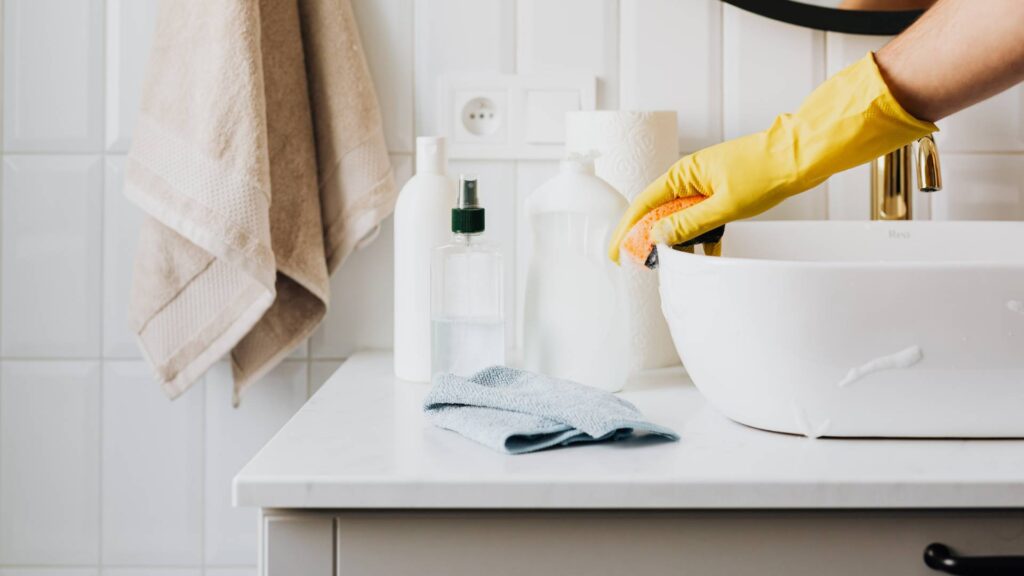
Sorting your belongings into broad categories makes future shopping decisions faster and far more intentional. Once everything has a general home, you’ll know at a glance what you already have before you’re standing in a store deciding.
Useful categories to start with:
- Cleaning supplies
- Office supplies
- Pantry items
- Clothing
- Electronics
- Tools
These categories don’t need to be complicated. A labeled bin or a designated shelf for each group is enough. When everything related to one category lives in one place, spotting what you already own becomes automatic instead of something you have to think hard about.
Step 3. Keep a Running Inventory
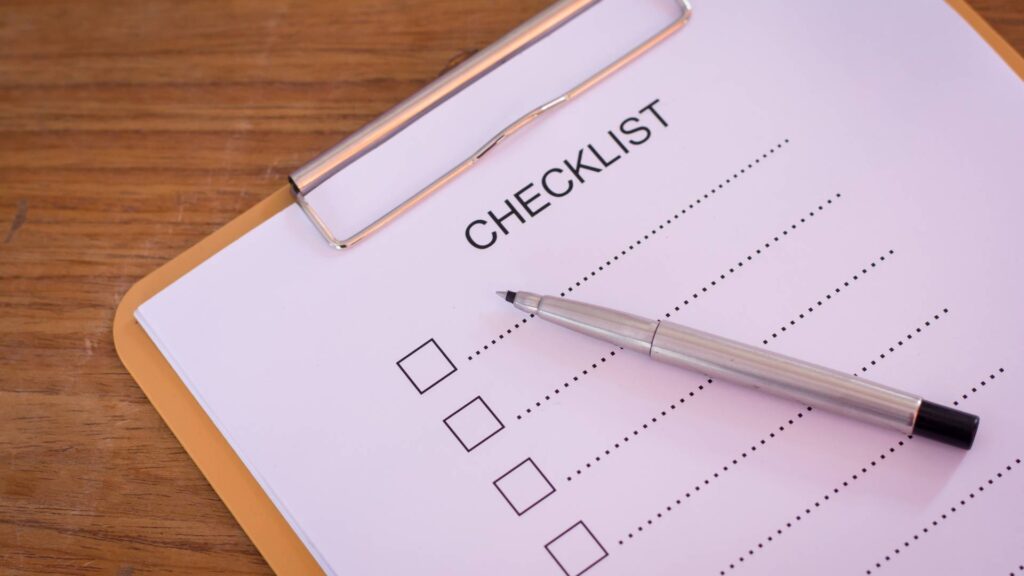
A quick inventory turns this from a one time cleanup into a lasting habit. You don’t need anything fancy, just a simple system you’ll actually maintain.
A few ways to keep track:
- Use a notes app on your phone for a running list
- Keep a printable checklist on the fridge or pantry door
- Update the list right after each shopping trip
- Review the full list once a month to catch anything outdated
Checking your phone’s notes app while standing in a store aisle takes ten seconds and prevents an entire duplicate purchase. Do a Personal Expense Audit pairs well with this habit, since tracking what you own naturally complements tracking what you spend.
Step 4. Ask These Questions First

Before any purchase, run through a short mental checklist. This is the core habit behind learning how to avoid buying duplicates long term.
Ask yourself:
- Do I already own this?
- Do I actually need another one?
- Can I repair or reuse what I have instead?
- Will this replace something, or just add to what’s already there?
These four questions take seconds to run through but catch the majority of impulse duplicate purchases before they happen. Over time, this becomes second nature rather than a conscious effort.
Benefits of a Duplicate Item Audit
The payoff here goes well beyond just avoiding buying duplicates.
- A regular audit saves real money, since you’re no longer paying for things quietly sitting unused at home.
- It also improves home organization overall, since sorting duplicates naturally leads to a broader decluttering of each space you go through.
- Less clutter means more usable storage space, and knowing exactly what you own leads to smarter buying decisions across the board.
To look at how NAPO organizes and compiles these figures, including the 15% to 20% budget drain caused by general disorganization. You can check historical breakdowns via the Clutter Clearer Coach Historical NAPO Archive.
Best Items to Audit Regularly
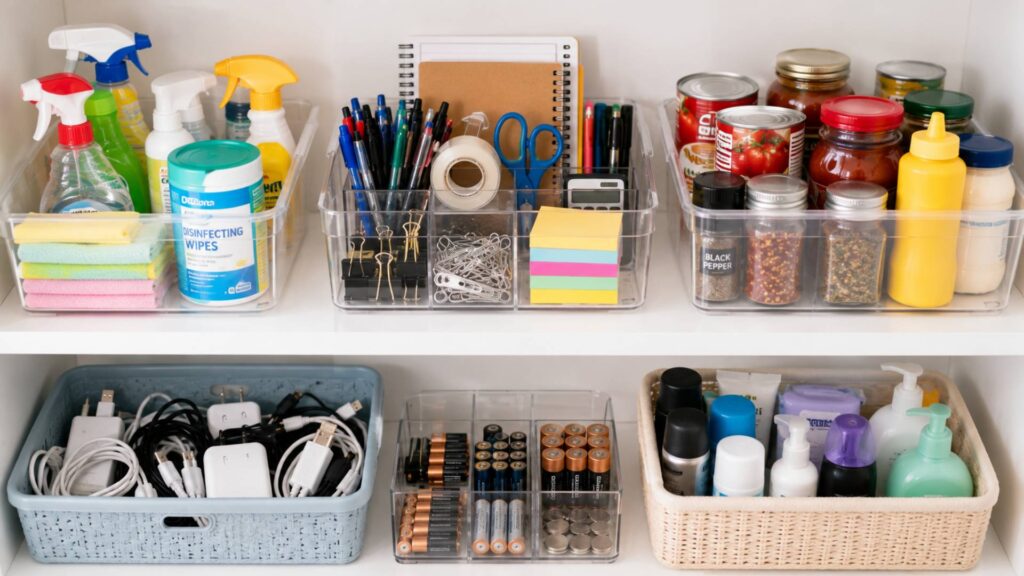
Some categories accumulate duplicates faster than others and deserve more frequent checks. Cleaning supplies, especially sprays and wipes, tend to pile up since people buy a new one before finishing the old bottle. Office supplies like pens, notebooks, and tape are notorious for hiding in multiple drawers.
Pantry staples such as spices and condiments often get rebought simply because they’re buried behind other items. Phone chargers, cables, and batteries are also frequent repeat purchases, usually because the original got misplaced rather than actually used up.
Checking these specific categories every few months catches most duplicate purchases before they even happen. 50 Things to Stop Buying to Save Money offers a broader list of everyday purchases worth reconsidering if you want to extend this mindful spending approach beyond just duplicates.
FAQs
How often should I do a duplicate item audit?
Every three to four months works well for most households. High traffic areas like the kitchen and bathroom sometimes benefit from a quicker monthly glance since consumables cycle through faster.
What items are most often duplicated?
Cleaning supplies, office supplies, phone chargers, and pantry staples top the list. These are small, easy to forget items that get rebought simply because they’re hard to locate when needed.
Does a duplicate item audit really save money?
Yes, and often more than people expect. Even avoiding two or three unnecessary purchases a month adds up significantly over a year, especially once you factor in returns and unused items thrown away later.
Conclusion – The Bottom Line!
A duplicate item audit is one of the simplest habits that pays off almost immediately. Check your closets, cabinets, and storage before you shop, sort what you own into clear categories, and keep a running inventory that actually gets used.
Ask the four key questions before every purchase: do I own this already, do I need another one, can I reuse what I have, and will this replace something? That short pause alone prevents the majority of unnecessary purchases before they ever happen.
The result is a home with less clutter, more usable storage space, and real money staying in your pocket instead of sitting unused in a drawer. If you’re working on tightening your budget elsewhere too, Pay Off Debt Fast on a Low Income is worth reading alongside this habit for a fuller picture of smart, intentional spending.