

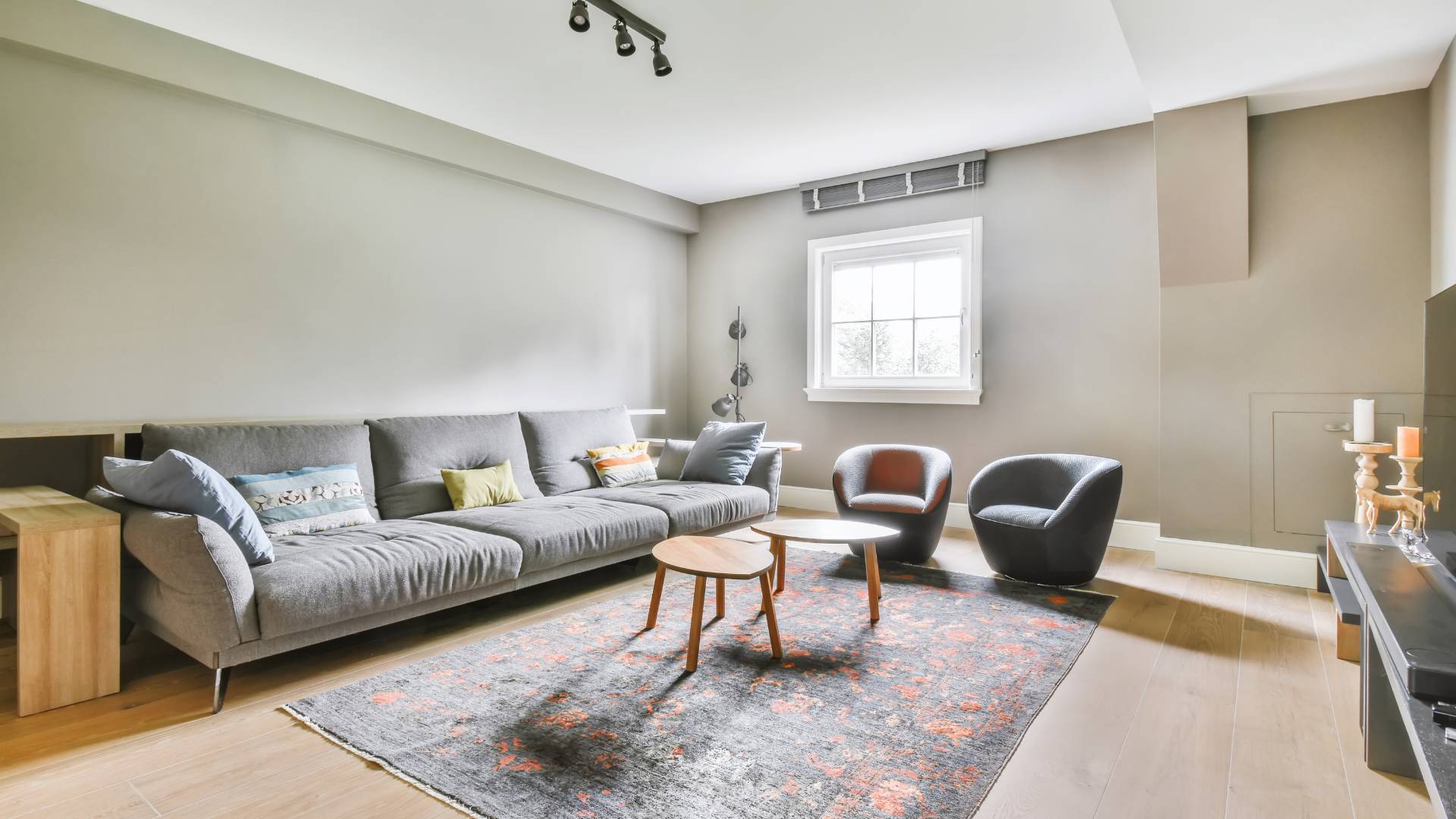
Best Colors For a Calm and Peaceful Room – Soothing Guide 2026!
Color does something to a room that furniture and lighting alone never quite can. Walk into a space painted in the wrong shade and something feels off before you even sit down. Walk into one that’s done right and your shoulders drop within seconds. That’s not coincidence, it’s color psychology at work, and it matters more in your home than most people give it credit for.
Whether you’re repainting a bedroom, refreshing a living room, or starting from scratch in a new space, choosing the right soothing room colors is one of the highest impact decisions you can make.
This guide walks through ten of the best colors for a calm and peaceful room, what makes each one work, and how to use them well.
How Color Psychology Shapes Your Home Vibe?
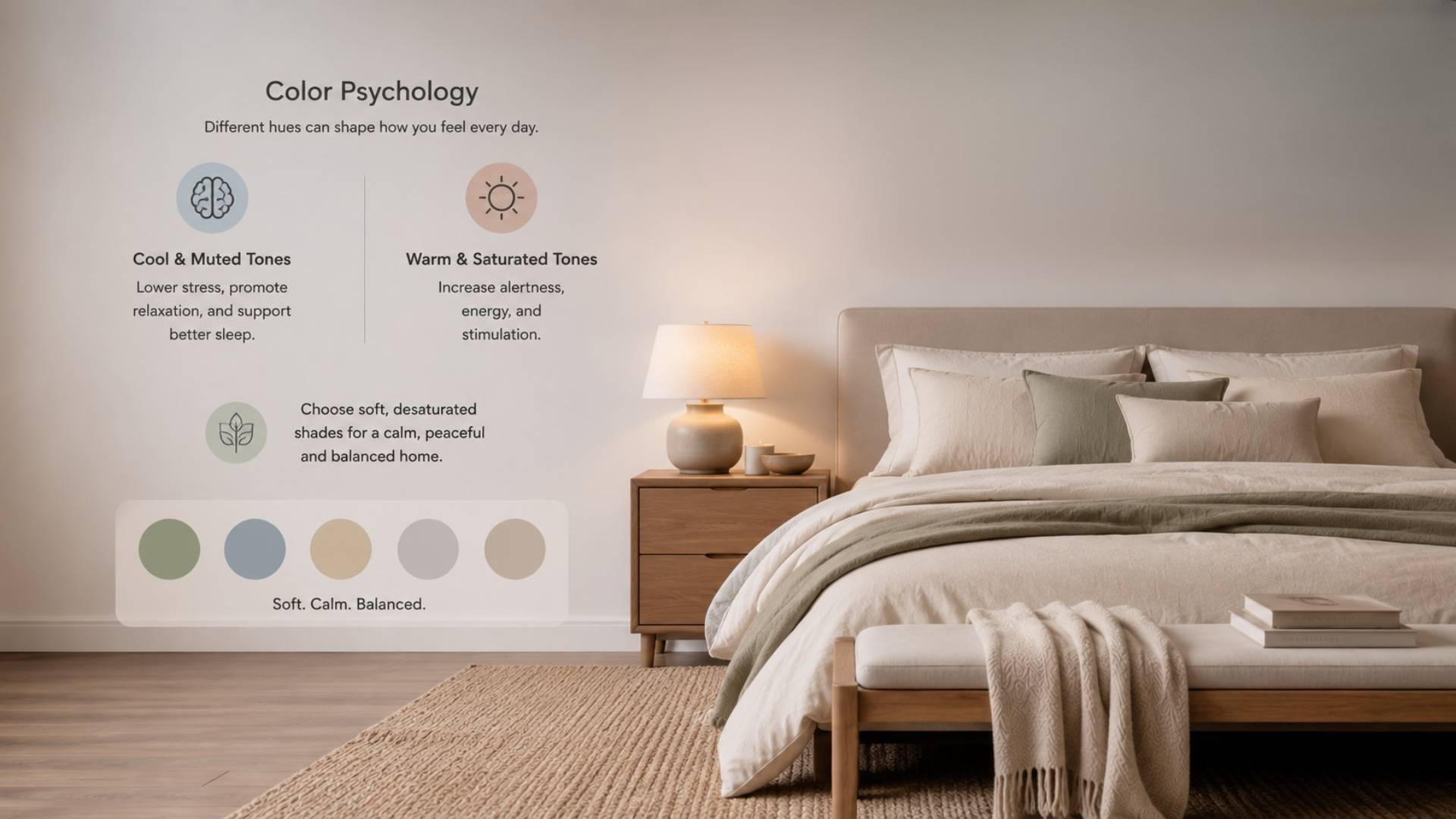
Color psychology isn’t a design trend. It’s a well documented field that examines how different hues affect mood, stress levels, and even sleep quality. A study published in the journal Frontiers in Psychology found that cooler, muted tones consistently lower perceived stress and promote relaxation, while highly saturated or warm colors tend to increase alertness and stimulation.
For a calm and peaceful room, this research points clearly toward soft, desaturated shades rather than bold or high contrast palettes. The goal is to choose colors that sit quietly in the background of your awareness rather than demanding attention. These principles work especially well when paired with simple living habits that reduce daily stress and create a more intentional home environment.
A cohesive palette across your walls, bedding, and decor creates a serene environment that effortlessly invites deep rest.
10 Best Colors For a Calm and Peaceful Room
Let’s explore 10 carefully selected colors that hold the key to creating serene and tranquil rooms.
1. Earthy Pink
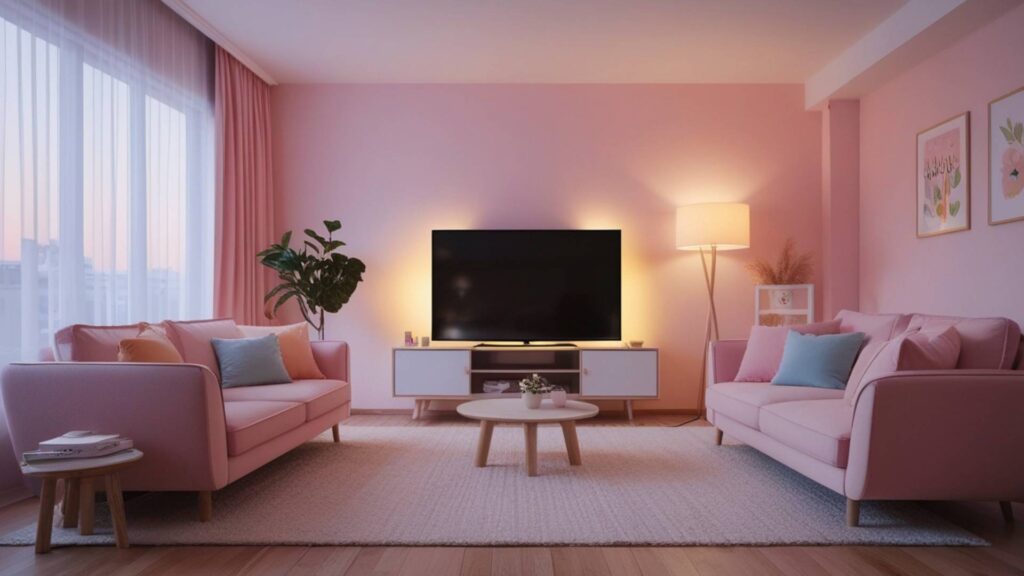
Earthy pink sits somewhere between blush and terracotta, and it works because it carries warmth without tipping into stimulating territory. It feels grounding rather than energizing, which makes it a natural fit for bedrooms and reading nooks. Pair it with warm wood tones and linen textures to keep the whole room feeling cohesive and easy.
2. Sage Green
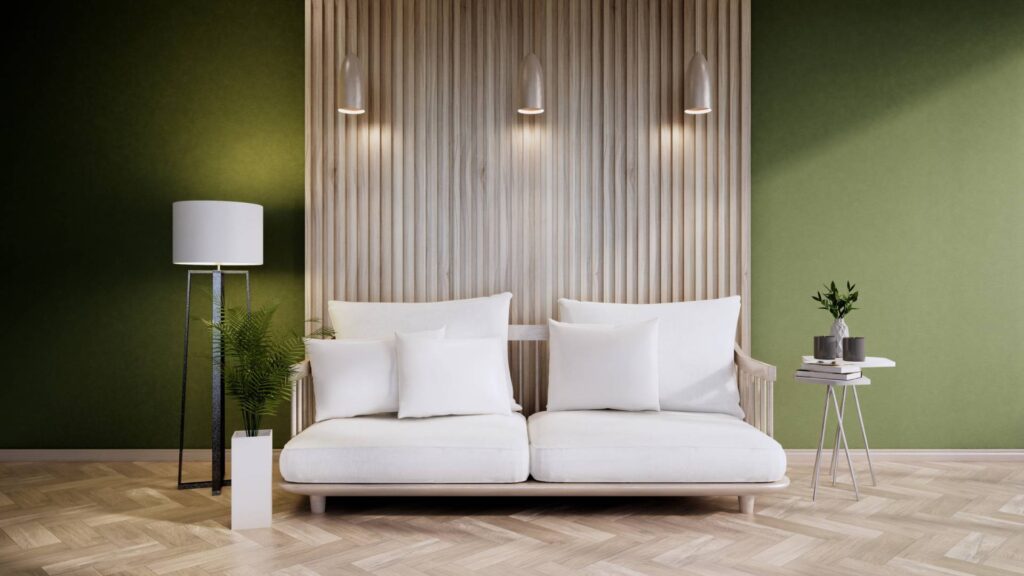
Sage green walls bring the outside in without making a room feel like a greenhouse. The muted, dusty quality of sage keeps it calm while still adding depth and character to a space. It pairs effortlessly with warm whites, natural wood, and cream textiles, and it works across a wide range of lighting conditions, from bright and sunny to low and dim.
3. Beige
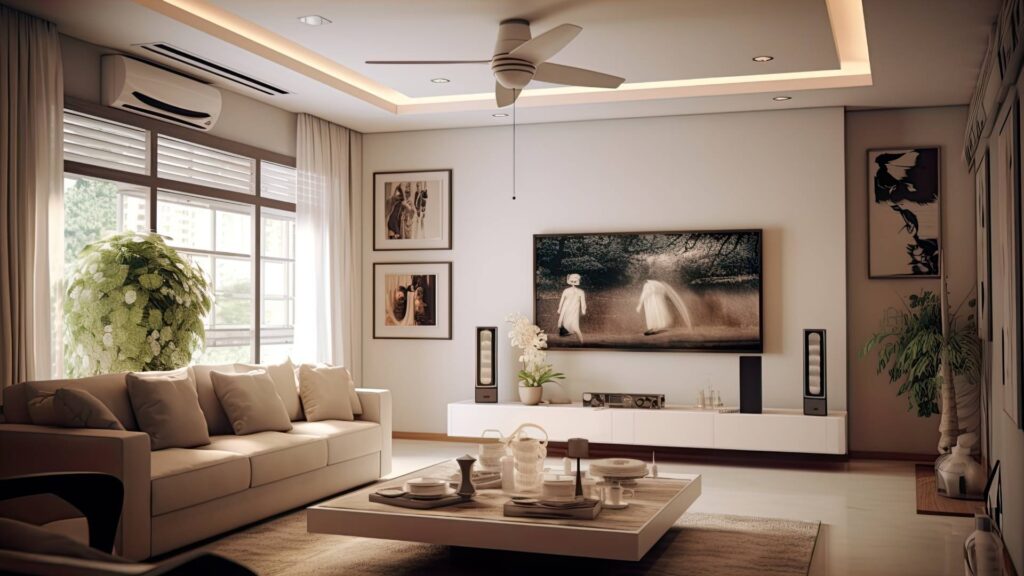
Beige has earned a bit of a reputation for being boring, but that reputation is unfair. A warm neutral palette built around the right beige creates rooms that feel timeless, grounded, and genuinely restful. The key is choosing a beige with warm undertones rather than gray ones, since cooler beiges can read flat or institutional in lower light.
4. Muted Lavender
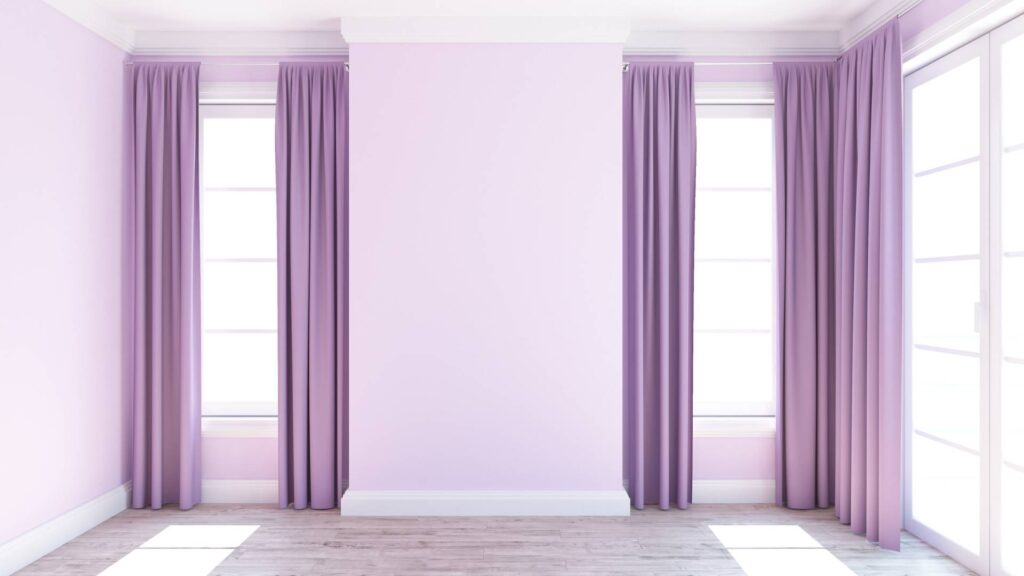
A muted lavender room feels different from a purple room in all the right ways. Strip out the saturation and lavender becomes one of the most serene colors you can put on a wall. It carries a softness that both cool and warm rooms can absorb, and it works particularly well in bedrooms where the goal is mental decompression at the end of the day. Combining this environment with a digital detox challenge for beginners can further improve focus, sleep quality, and mental clarity.
5. Light Gray
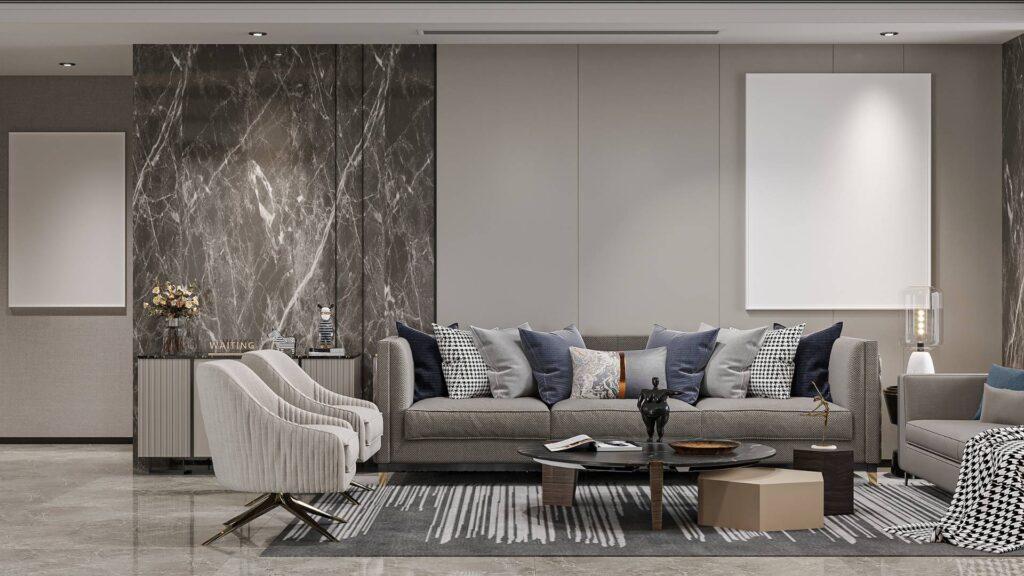
Soft gray sits in an interesting middle ground. It’s neutral without being stark, and when chosen with the right undertones, it creates a calm and peaceful room that feels sophisticated rather than cold. The trap with gray is going too dark or too blue, both of which can make a space feel heavy. Stick to lighter values with slight warm undertones for the most livable result.
6. Soft Honey
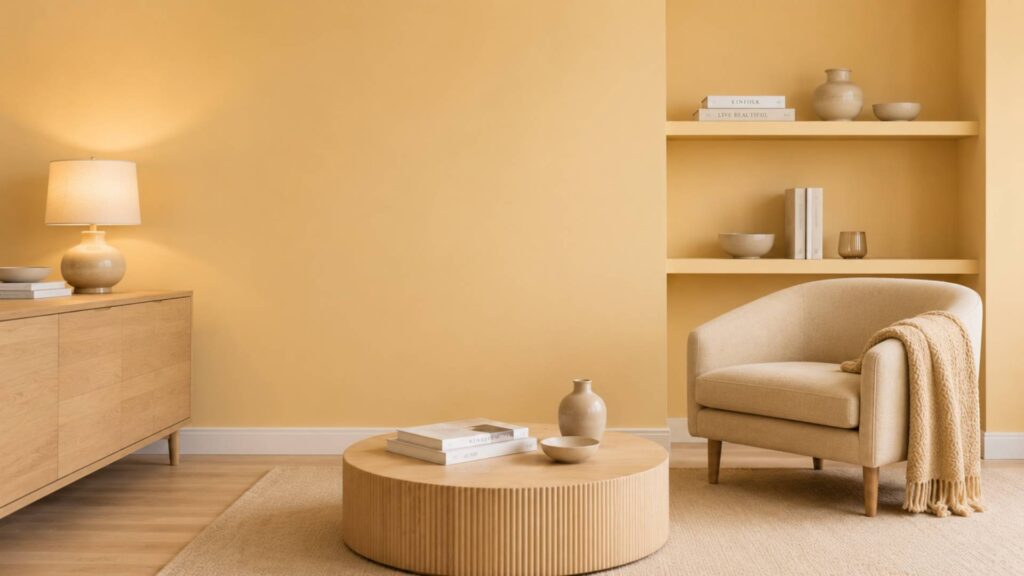
Soft honey is one of those colors that people don’t consider often enough. It’s warm, rich enough to feel intentional, and gentle enough to avoid overwhelming a space. In rooms with good natural light, soft honey walls glow in a way that makes the whole space feel like late afternoon all day long, which is exactly the kind of atmosphere a restful room benefits from.
7. Olive
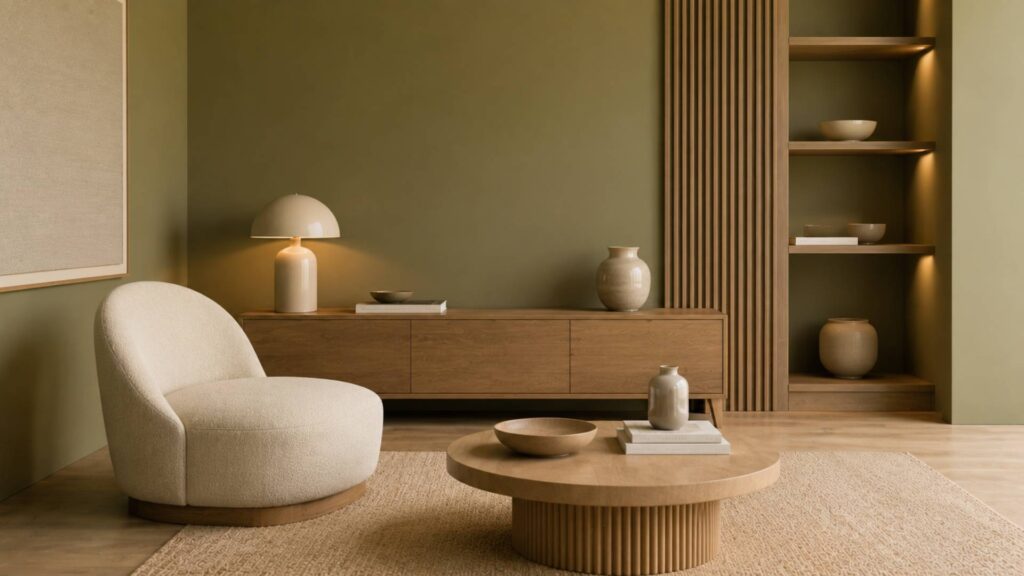
Olive is having a moment in interior design right now, and for good reason. Muted green in an olive tone adds depth and a grounded quality that few other colors can match. It pairs well with cream, terracotta, and natural fibers, and it works in both bright and low light rooms without losing its character.
8. Dusty Rose
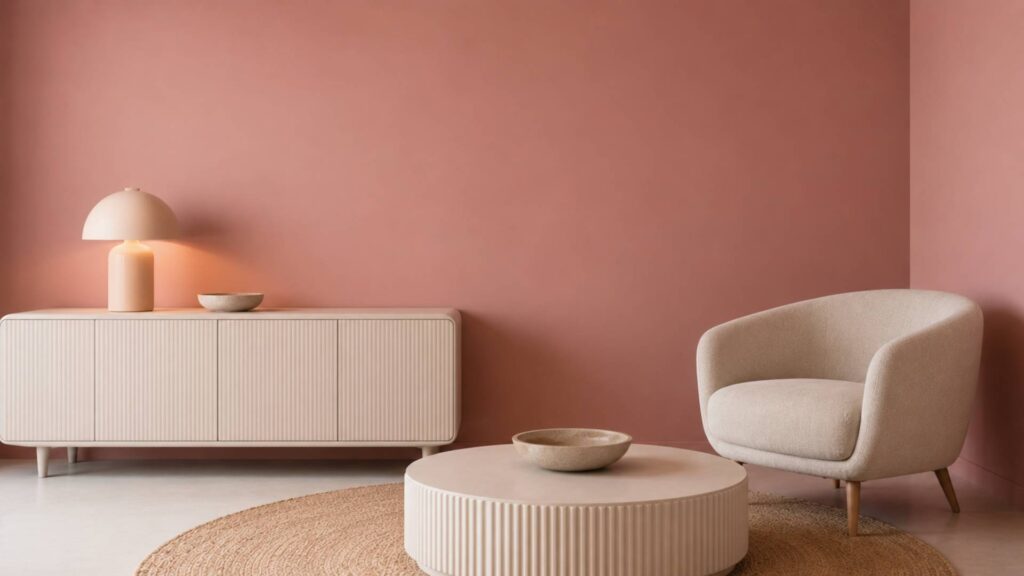
Dusty rose is softer and more sophisticated than traditional pink, and it creates a calm and peaceful room when used thoughtfully. It works best as a main wall color in smaller spaces, since its gentle warmth can make a room feel wrapped and cozy without feeling cramped.
9. Muted Blue
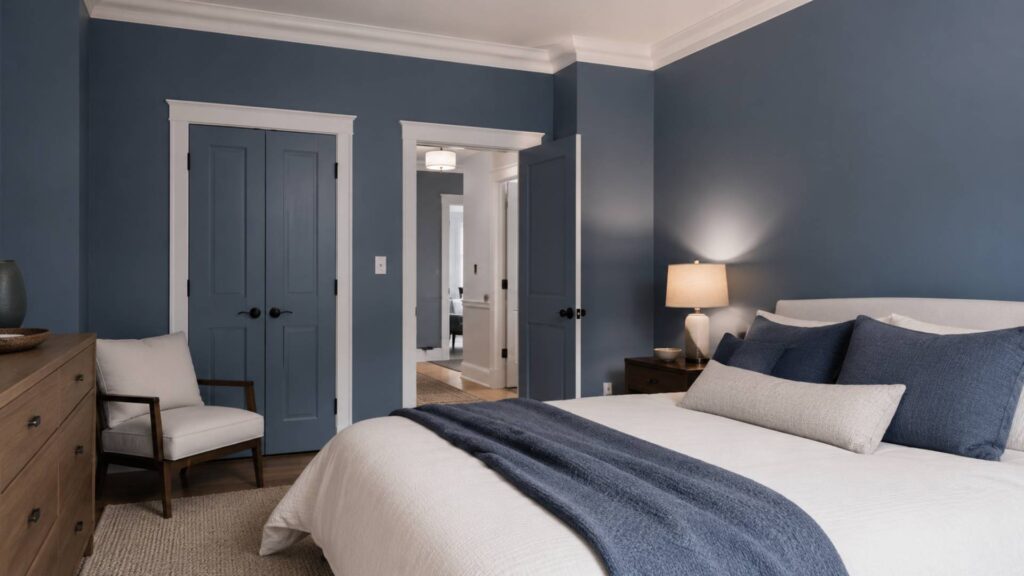
Soft blue bedroom tones remain one of the most researched and recommended calming paint shades in the design world. Muted blues, particularly those with green or gray undertones, lower the visual temperature of a room and create a sense of spaciousness.
Lavender walls and muted blues actually complement each other well in connected spaces like a bedroom and attached bathroom.
Blue is the top color for peace, giving people 7 hours and 52 minutes of sleep on average.
10. Soft White
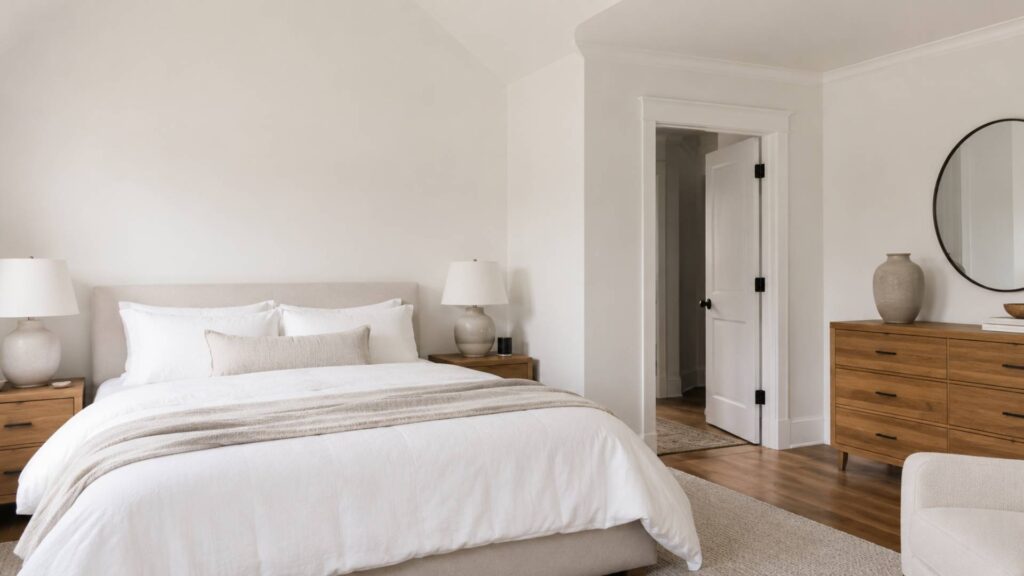
Soft white sounds simple but takes more thought than most people expect. A true bright white can feel clinical and harsh, but a soft white with cream, pink, or yellow undertones creates a serene palette that makes everything else in the room look better. It’s the most forgiving backdrop for furniture and textiles, and it keeps a room feeling clean without feeling sterile.
Color Caution: Shades That Disrupt Serenity
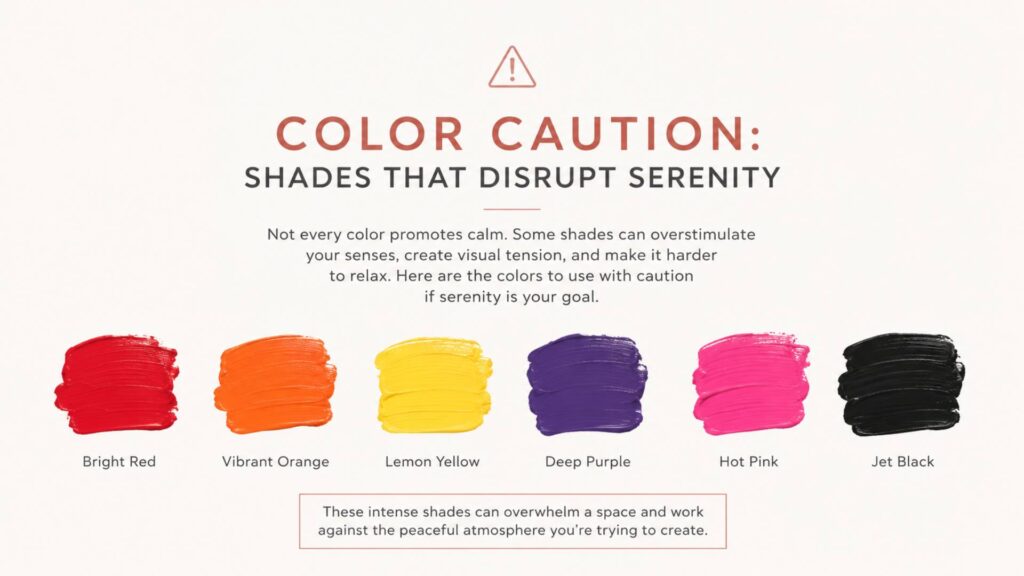
Knowing what to avoid matters just as much as knowing what to choose. Some colors actively work against a calm and peaceful room, regardless of how much you love them in other contexts.
Colors worth steering clear of in restful spaces include:
- Bright red and orange, which raise heart rate and stimulate the nervous system
- High saturation yellows, which can create visual tension over long periods
- Deep, saturated purple, which reads dramatically rather than restfully
- Bright white with blue undertones, which can feel cold and clinical rather than serene
- Very dark navy or charcoal without enough light to balance them, since these can make a room feel heavy and closed in
The rule of thumb here is saturation. The higher the saturation of a color, the more stimulating it tends to be, which runs directly against the goal of creating relaxing paint shades for a room where you want to rest.
Practical Tips for Choosing Bedroom Colors
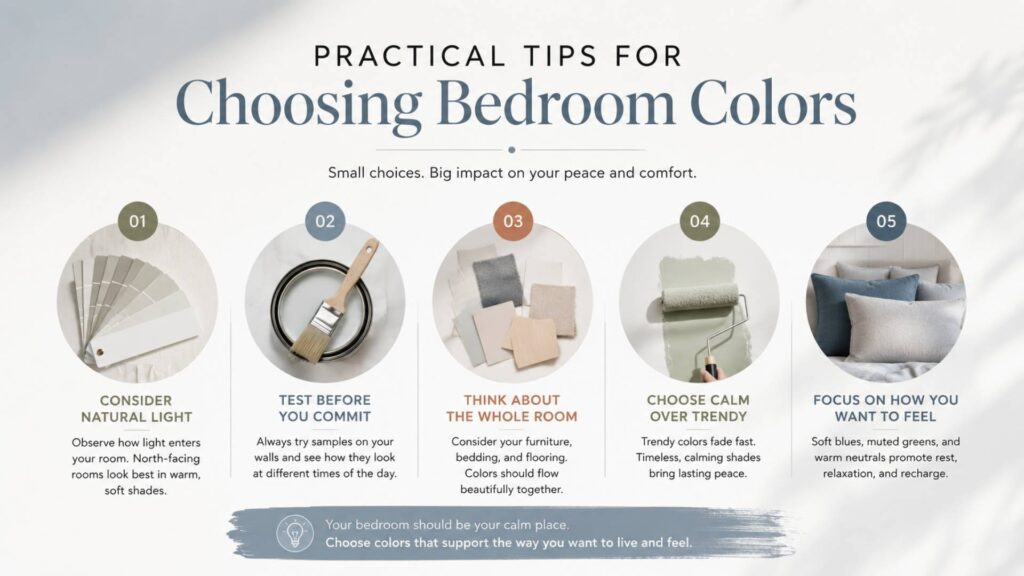
Color looks different on a paint chip than it does on four walls under your specific lighting, and that gap surprises people every single time. Here are the practical steps that actually help:
- Always test paint on the actual wall before committing. You may choose at least a twelve inch square, and look at it in morning light, afternoon light, and with your artificial lighting at night.
- Consider how much natural light the room gets throughout the day before choosing between warm and cool toned versions of the same color.
- Sample calm room colors next to your existing furniture and textiles rather than in isolation.
- Look at the undertones of any neutral color carefully. Because beige, white, and gray can all pull pink, green, or blue depending on the specific shade.
- Paint the largest wall first if you’re testing. Inasmuch as color reads differently on a small accent wall than it does when it surrounds you completely.
Peaceful paint decisions also benefit from thinking about the room holistically. Color psychology is most effective when your wall color, textiles, and lighting all work in the same direction. Best Simple Living Habits covers how a decluttered, simplified environment amplifies the calming effect of color, which is worth reading alongside this guide.
Frequently Asked Questions
Does room color actually affect sleep quality?
Yes, and the research on this is fairly consistent. Cooler, muted tones like soft blue, lavender, and sage green have been linked to lower resting heart rates and faster sleep onset in multiple studies.
What’s the easiest color to start with for beginners?
Soft white or warm beige are the most forgiving starting points because they work with almost any furniture and lighting situation.
Can dark colors ever work in a calming room?
They can, but they need the right conditions. A deep olive or muted navy in a room with plenty of natural light and warm artificial lighting can feel enveloping rather than oppressive.
Conclusion – The Bottom Line!
The right wall color does more for a room’s atmosphere than almost any other single change. Soothing room colors like sage green, soft white, muted lavender, and warm beige don’t just look nice, they actively support a calmer, more rested version of you every time you walk in the door.
Start with one room, test a few samples on the actual wall, and pay attention to how each one makes you feel at different times of day. A calm and peaceful room is one of the simplest investments you can make in your daily wellbeing, and the right color is where that transformation begins.