

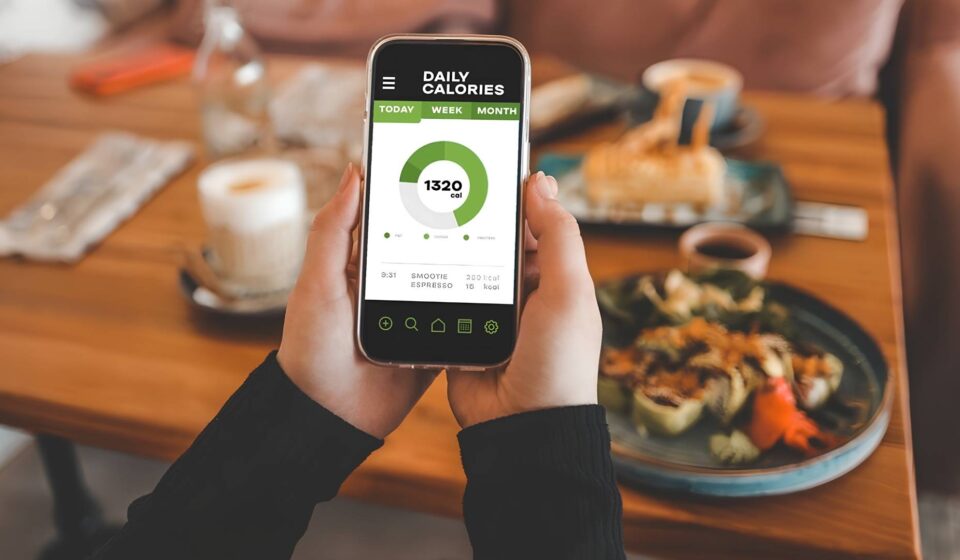
How to Build a Calorie Consistency Tracker Instead of Chasing Perfect Days
Perfect days do not build lasting results. A calorie consistency tracker does. Instead of chasing zero mistakes, track how many days you log, how many meals you complete, and how your week averages out, rather than judging one single day, especially when life gets busy.
This guide builds that system step by step, choosing one tracking method, scoring your week instead of grading each day, building repeat meals, and reviewing progress every Sunday, so calorie tracking habits finally stick past the first two weeks, when most people quit.
Why Perfect Days Don’t Lead to Long-Term Results

Chasing a perfect day sets an impossible bar. One slice of birthday cake or a bigger dinner than planned, and the whole day feels ruined. Once that mindset creeps in, people quit early, not because the plan failed, but because one bad hour felt like a wasted week. Building durable weight loss habits depends on surviving bad days, not avoiding them.
And you know what? Research also backs this up. Women who leaned toward a flexible approach to eating, rather than a strict set of rigid rules, tended to see greater weight loss over the long run in a study tracking dieters over six months. A calorie deficit built across a full week survives a bad Tuesday.
A single day judged in isolation rarely does.
Build Your Calorie Consistency Tracker
Below is a full weekly framework, ten steps that turn calorie tracking habits into something you actually keep doing, built around weekly scores instead of daily grades.
1. Define Your Weekly Success Score

Instead of asking whether you stayed under your calorie target every single day, track a broader weekly success score:
- Days logged out of seven
- Meals tracked versus meals eaten
- Weekly consistency percentage
- Planned days versus completed days
A number like this shows real progress even during a rough week. Someone who logs six out of seven days and hits eighty percent of planned meals is still moving forward, even if Wednesday went sideways. A well known study from Kaiser Permanente found that people who kept food records nearly every day lost close to twice as much weight over several months as those who barely tracked at all. A weekly score captures exactly that kind of pattern, days logged, not just whether one day was flawless.
2. Pick One Tracking Method
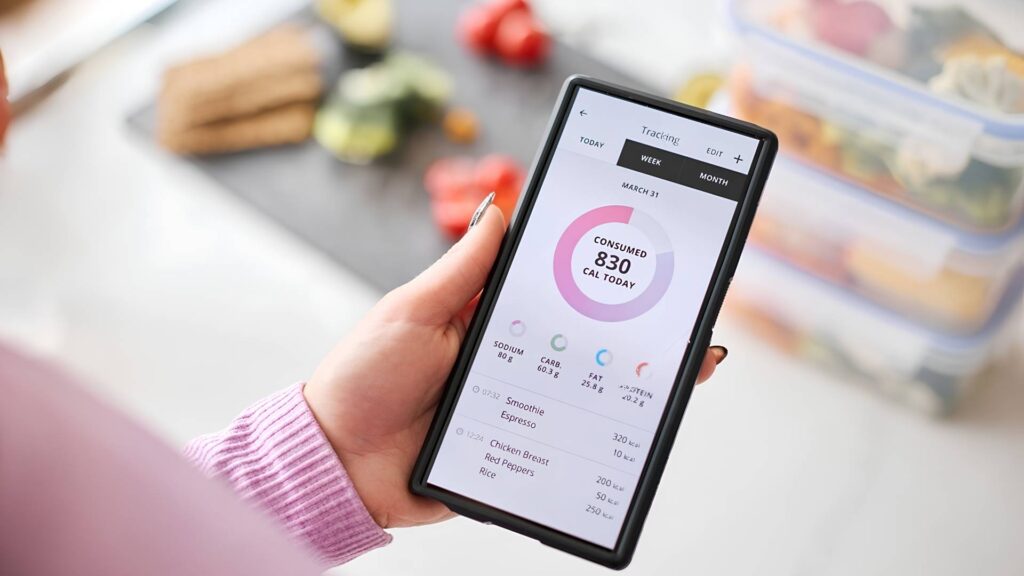
Consistency starts with a system that does not change every week. Pick one:
- A mobile app
- A spreadsheet
- A printable tracker
- A notebook
- A basic notes app
It genuinely does not matter which one you choose. What matters is sticking with it. A notebook is simply a food journal in a different format, and that works fine. Switching methods every few weeks resets the learning curve and adds friction right when a routine should be getting easier.
3. Track Every Meal, Even Imperfect Ones

Skipping a log entry because a meal felt off plan defeats the entire purpose. Write it down anyway. A burger and fries deserve a spot in the tracker just as much as grilled chicken and rice. Healthy eating is about a complete record, not a flattering one.
Gaps in the log are what make a weekly average meaningless.
4. Measure Consistency
Getting every calorie exactly right is nearly impossible without a kitchen scale glued to your hand. Aim for consistency instead. The whole idea comes down to consistency over perfection, showing up most days beats a flawless day here and there. Rough numbers tracked daily beat perfect numbers tracked occasionally in calorie tracking.
5. Create a Weekly Tracking Dashboard
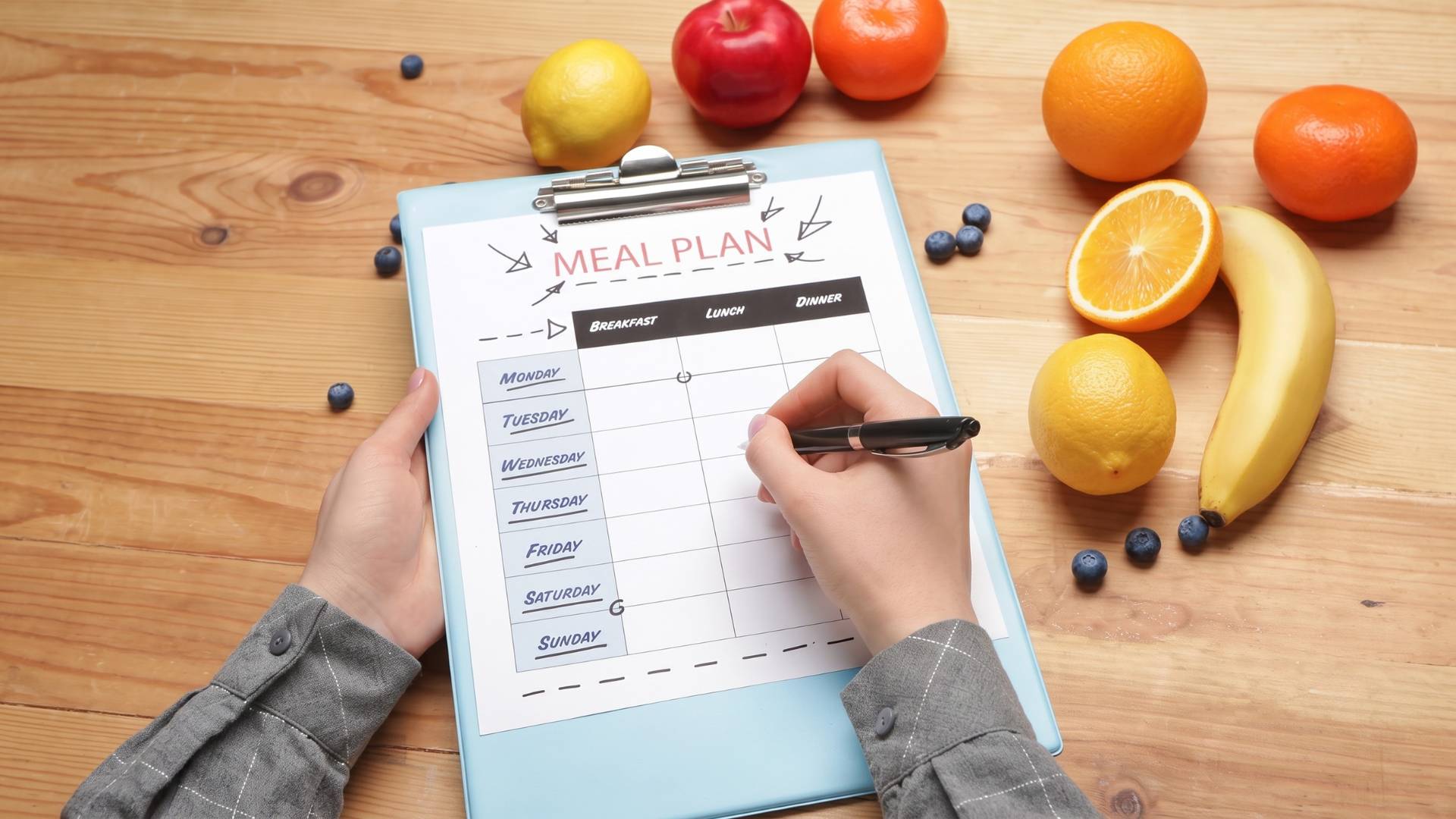
Pull your week into one simple view: daily calories, days logged, and how your week compares to target. A dashboard is the core of any calorie consistency tracker. It does not need software. A single notebook page or one spreadsheet tab works fine, and seeing the whole week at a glance makes patterns obvious that a single day never reveals.
6. Build Repeat Meals Into Your Week

Repeating a handful of meals removes guesswork and makes logging almost automatic. Once a meal is logged once, logging it again takes seconds. Keep three or four breakfasts and lunches on rotation, a smoothie is an easy one to lean on, our Healthy Smoothie Recipes for Energy has a few worth trying, and save the variety for dinner, when you have more time to plan.
7. Plan for High Calorie Days

Holidays, birthdays, and Friday nights out are not failures waiting to happen. Plan for them. Eat lighter earlier in the day, walk a bit more, and log the day honestly instead of skipping it out of guilt. A single high-calorie day barely moves a weekly average when the other six days stay on track.
8. Review Your Week Every Sunday

Set aside ten minutes every Sunday for a weekly review. Look at your consistency percentage, not just the scale. People in one large tracking study tended to gain weight in the weeks right before they stopped tracking altogether. More so than during the weeks they were still logging consistently. Catching that pattern early, during your weekly review, is what keeps a rough week from turning into a rough month.
9. Celebrate Consistency Milestones

Four weeks of logging five or more days deserves recognition, the same as any number on a scale. Treat yourself to something outside of food, new workout gear, a book, an afternoon off. Recognizing these milestones is part of what makes healthy habits last, even during weeks when the scale barely moves.
10. Keep Improving Your Tracker

A tracker built in week one rarely fits perfectly by week eight. Add fields when something is missing, drop ones you never fill in, and adjust as your habits change. A tracker that evolves with you turns into a healthy routine that actually lasts, not a project you abandon in March.
What Your Tracker Should Include
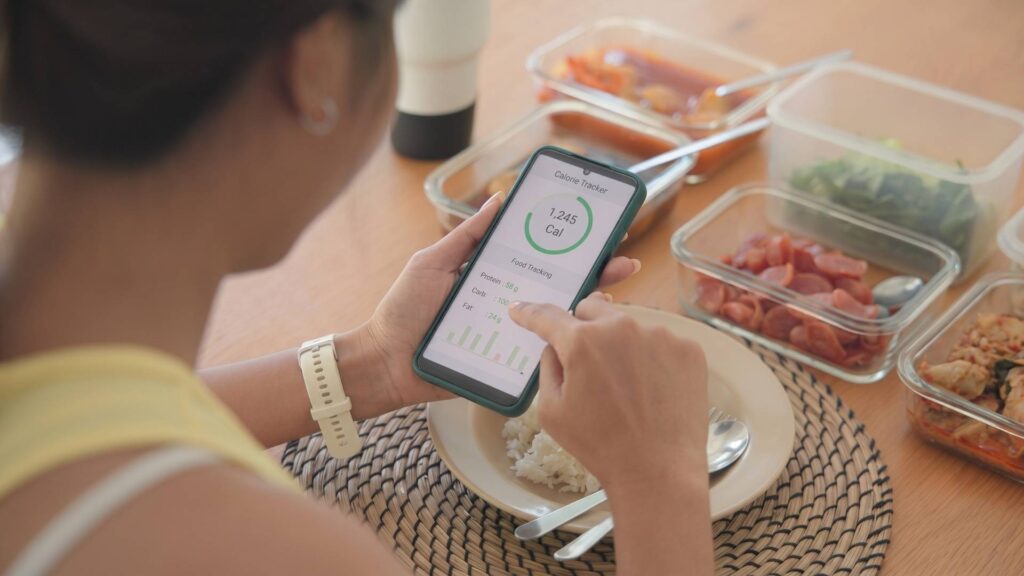
Whatever format you use, a calorie consistency tracker generally needs three layers working together.
1. Daily Tracking
Each day, log meals, daily calories, water, and a quick note on energy or mood. If you are pairing tracking with a workout plan, our guide to Best Home Workouts for Beginners fits well alongside a daily log. Keep the entry short, under two minutes, so it never feels like a chore.
2. Weekly Review
Every week, log your consistency percentage, days logged, and a short note on what worked. This is where the real insight lives, far more than any single day’s numbers ever could.
3. Monthly Progress
Once a month, zoom out. Compare weekly averages across the month, note trends in energy and weight, and adjust your approach if three or four weeks in a row show the same sticking point.
Best Tools for Staying Consistent
Not every calorie tracker fits every person, and that is fine. A few categories cover most needs:
| Tools | Use |
| Food logging apps | Best for fast entry and a built-in food database |
| Habit trackers | Useful for marking days logged without full meal detail |
| Printable planners | Good for anyone who prefers paper over a screen |
| Spreadsheets | Ideal if you want full control over formulas and layout |
| Kitchen scales | Helpful early on, while you learn portion sizes by sight |
| Meal planning templates | Which speed up repeat meals and grocery lists |
Nutrition tracking works best when the tool matches your habits, not the other way around. Someone who hates typing will abandon an app fast. Someone who forgets paper will lose a printable tracker within a week. And tracking is not only for weight loss. Anyone building muscle should also stay consistent, and our guide on Weight Gain Mistakes Beginners Should Avoid covers that side of tracking as well.
FAQs
What is a calorie consistency tracker?
A calorie consistency tracker measures how often you log and follow your plan, not how perfectly you handle calorie tracking on any single day. It rewards steady effort over flawless execution.
Should I track calories every day?
Daily tracking helps, but missing a day is not a reason to quit. Log what you can, even a rough estimate, and let your weekly consistency percentage matter more than any single missed entry.
Is weekly tracking better than daily perfection?
For most people, yes. Weekly tracking accounts for real life, birthdays, busy nights, and off days, while still keeping you moving toward your goals over time. Daily perfection rarely survives contact with an actual week.
Conclusion – A Few Final Words!
A calorie consistency tracker will never replace a perfect day, because perfect days rarely exist outside of Instagram captions. What it replaces is the all-or-nothing mindset that makes one bad meal feel like a wasted week.
Track your days, score your weeks, and let your weekly average carry more weight than any single entry. Calorie tracking habits built this way tend to survive birthdays, busy weeks, and the occasional bad Tuesday, which is exactly why they last.
Start with just one tracking method and one weekly review this week. And if your goal runs the other direction, building mass rather than losing weight, our guide to Simple Weight Gain Meal Plans for Beginners applies the same consistency approach to gaining.