

The Weekly Food Inventory Routine That Saves Time and Money
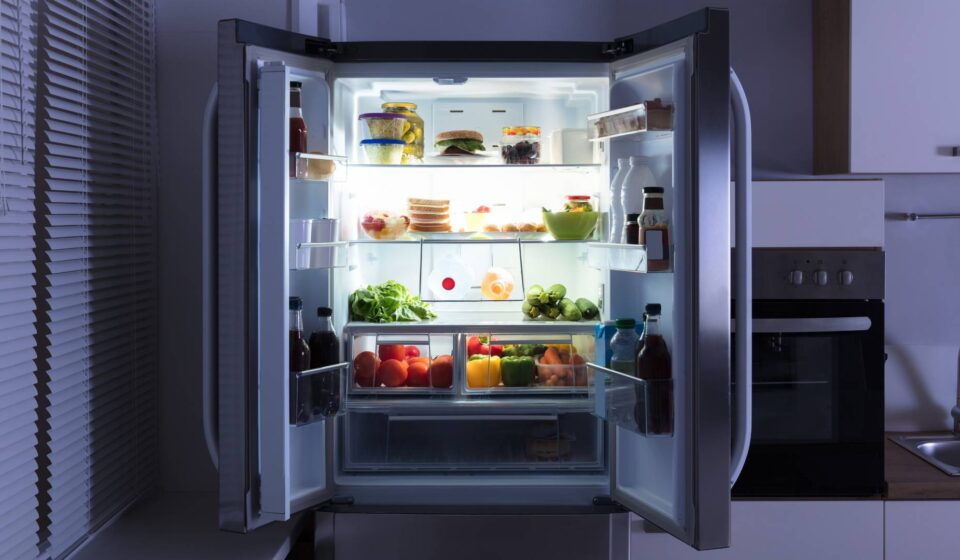
Most kitchens have food quietly going bad in the back of the fridge while the same items get bought again at the store. This isn’t carelessness, it’s simply the absence of a system. A weekly food inventory routine fixes that by giving you a clear, twenty minute check of what you actually have before you plan meals or shop.
This guide walks through exactly how to build that routine, checking your freezer, pantry, and fridge, creating a use first list, planning meals around what’s already there, and building a gap only grocery list.
By the end, you’ll have a repeatable system that cuts food waste and keeps your grocery budget under control.
- Why a Weekly Food Inventory Routine Works
- What You Need Before Starting
- The 20-Minute Weekly Food Inventory Routine
- The Best Food Categories to Track Every Week
- Pantry Organization Tips That Make Inventory Easier
- Weekly Food Inventory Checklist
- Helpful Tools for Tracking Food Inventory
- FAQs
- Conclusion – A Few Final Words!
Why a Weekly Food Inventory Routine Works
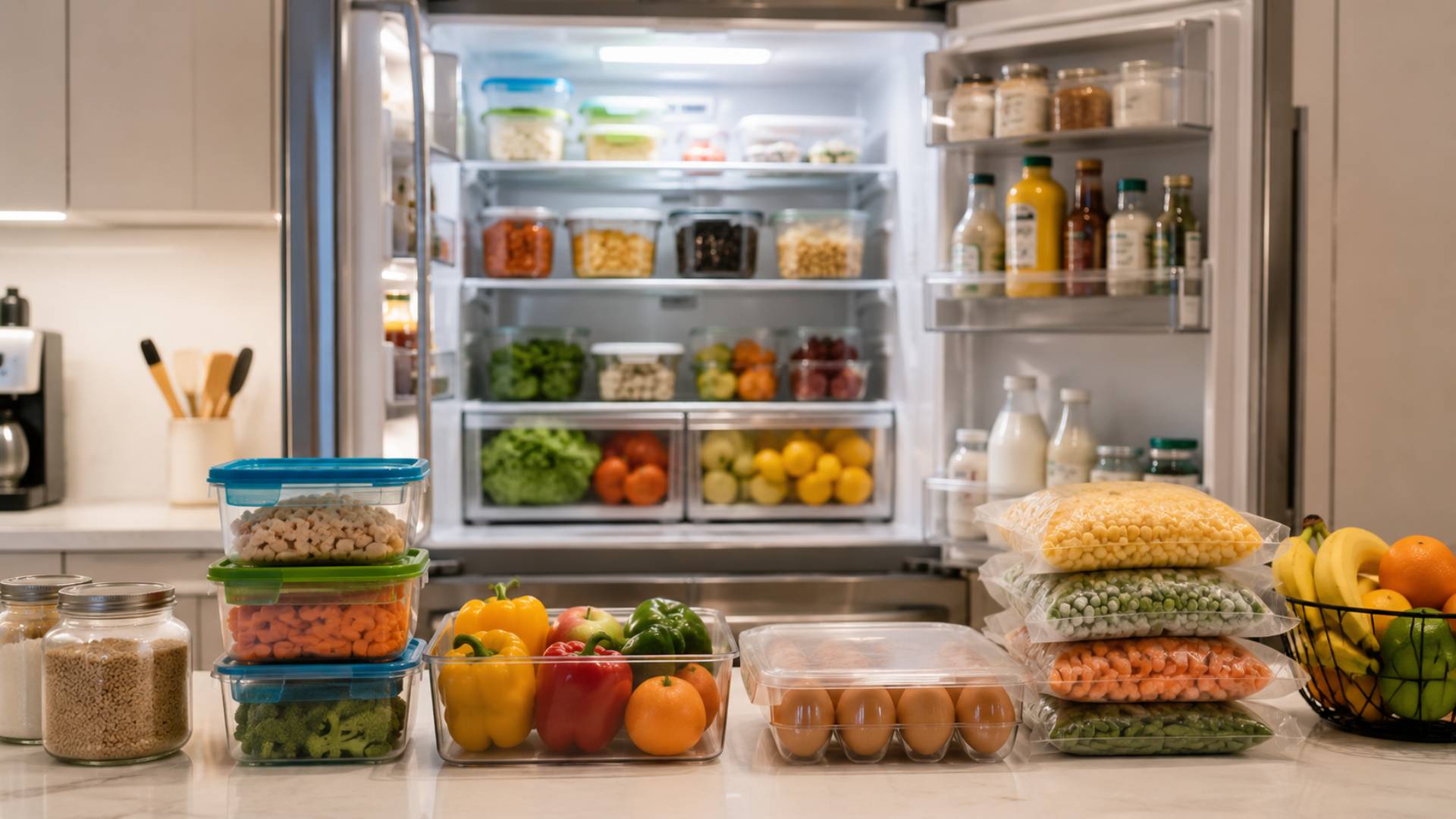
According to the USDA, between 30% and 40% of the entire U.S. food supply goes to waste, and a significant share of that happens right inside people’s homes. This isn’t a problem unique to disorganized households either, it’s the natural result of grocery shopping without ever checking what’s already sitting in the fridge or freezer. A weekly food inventory routine directly targets this by making sure nothing gets forgotten long enough to spoil unnoticed.
The financial impact is real too. The average American family of four loses an estimated $1,500 worth of food every year, according to USDA and ReFED research. That number breaks down to well over a hundred dollars a month, money spent on groceries that never made it to a plate.
A consistent pantry inventory system is one of the simplest ways to reclaim a meaningful chunk of that lost money, and it takes less time each week than a single grocery run.
What You Need Before Starting
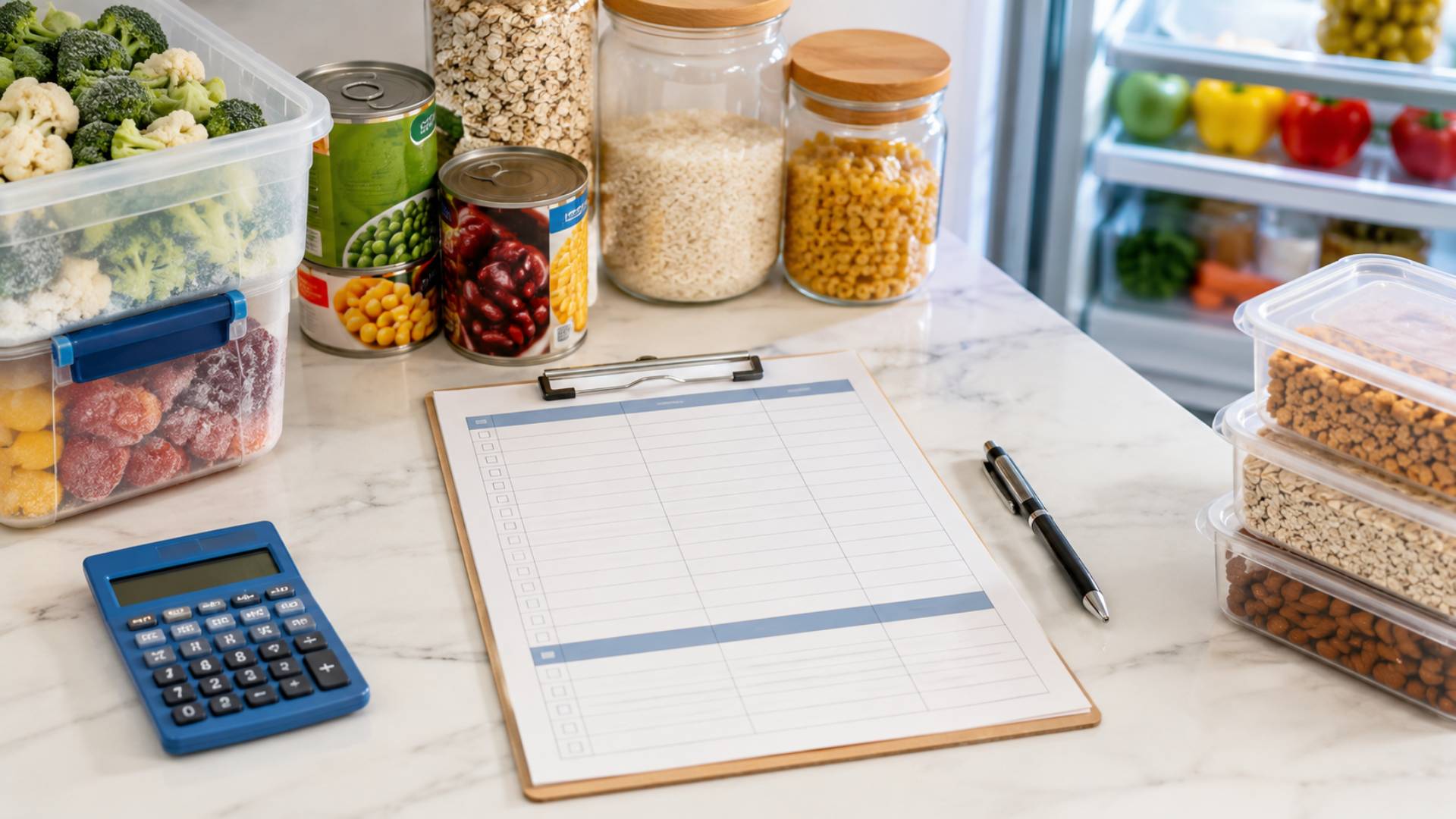
Getting this routine off the ground doesn’t require a full pantry renovation or fancy equipment. A few basics are enough to get started today.
1. A Simple Inventory Sheet
A basic sheet listing categories and quantities is enough to start. This doesn’t need to be complicated, just consistent enough to update weekly.
2. Storage Zones to Check
Break your check into three zones every week, fridge, freezer, and pantry, so nothing gets skipped.
3. Basic Supplies
Keep a pen, your inventory sheet, and a few minutes of uninterrupted time ready. That’s genuinely all the setup this routine requires.
The 20-Minute Weekly Food Inventory Routine
Here’s exactly how the full routine breaks down, from freezer to grocery list, in under twenty minutes total. Each step builds on the last, so by the time you reach your grocery list, you already know precisely what you need.
Step 1. Review Your Freezer
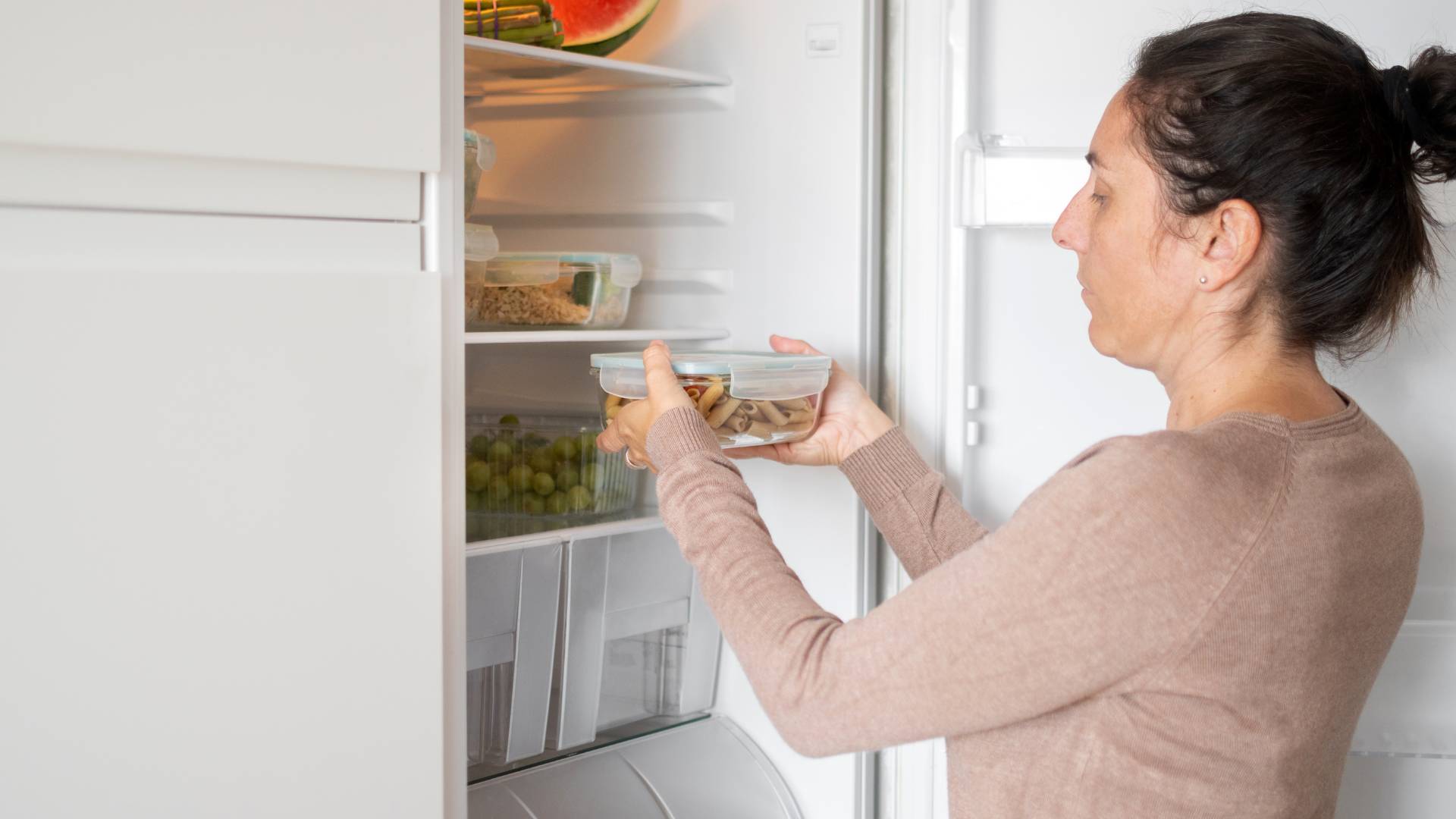
Check your frozen meat, vegetables, bread, and any prepared frozen meals. Identify older items pushed to the back, anything showing freezer burn, and duplicate products you may have bought without realizing you already had one.
Freezers are especially prone to becoming a black hole where food disappears from memory the moment the door closes. So a quick visual scan each week keeps that from happening.
Take note of anything that’s been in there for more than a few months. Frozen food doesn’t spoil the way fresh food does, but quality drops steadily over time, and freezer-burned items often end up thrown away anyway once they’re finally rediscovered.
Step 2. Audit Your Pantry
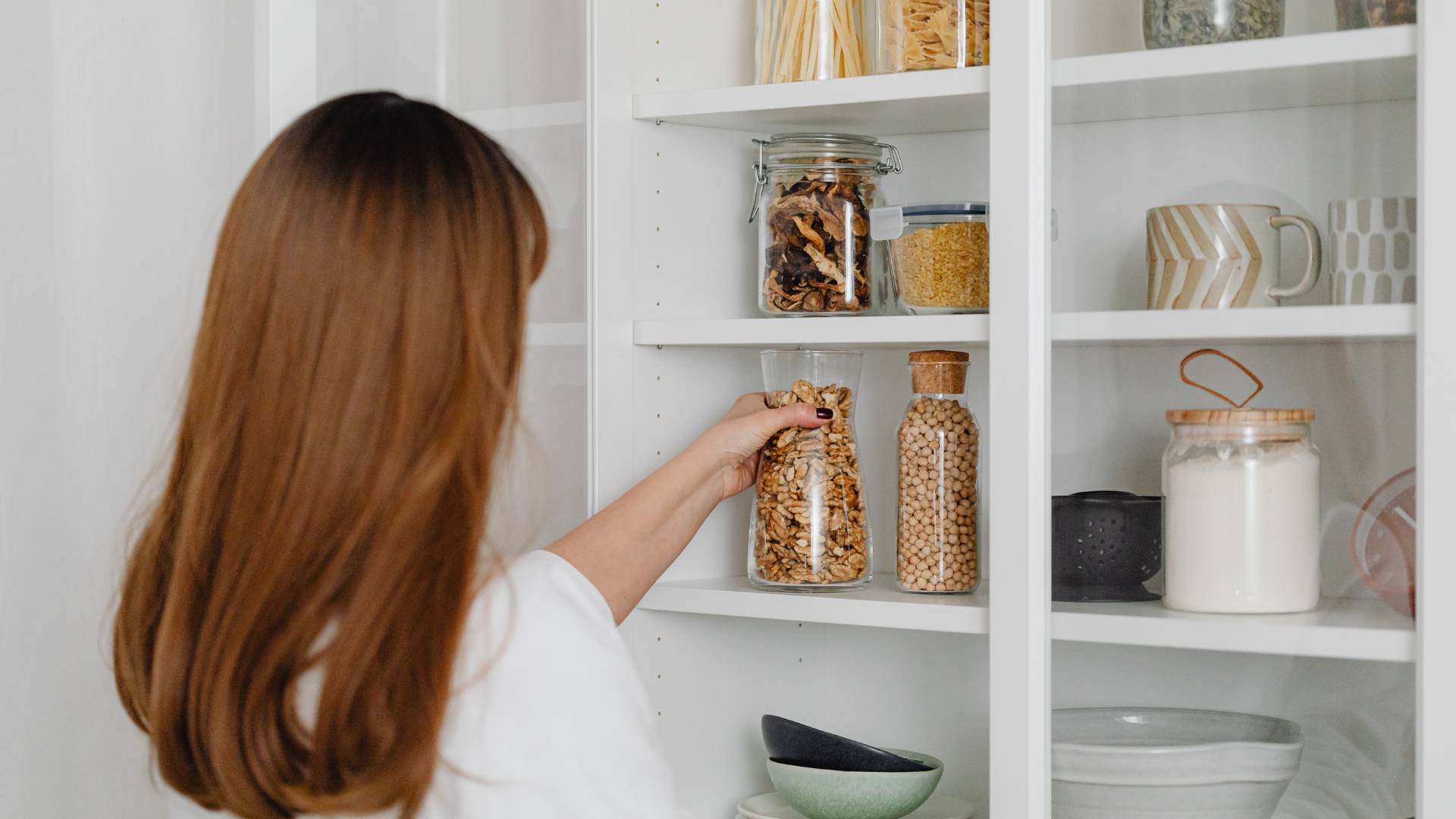
Count your rice, pasta, beans, flour, canned goods, oils, and snacks. This step reveals what’s actually running low versus what just feels low because it’s hard to see behind other items. Pantries are notorious for hiding a second bag of rice behind the first one, or three half used containers of the same spice bought at different times.
A quick count here also helps you avoid the common trap of buying something at the store simply because you couldn’t picture what was already at home.
Once you’ve done this a few weeks in a row, you’ll start remembering your actual stock levels without even needing to check as thoroughly.
Step 3. Create a “Use First” List
Pull together anything nearing expiration, fresh vegetables, fruit, dairy, herbs, and leftovers sitting in the fridge. This step alone reduces waste dramatically, since the biggest source of household food waste is forgetting perishable items exist until they’ve already gone bad.
Write this list somewhere visible, the fridge door, a notes app pinned to your home screen, or a small whiteboard in the kitchen. The goal is to keep these items top of mind so they actually get used in the next few meals instead of quietly expiring in the back of a drawer.
Step 4. Plan Meals Around Existing Food

Instead of asking “what should I cook,” ask “what should I use.” This single shift in framing changes everything about how meals get planned, and it’s the core principle behind reducing both waste and grocery spending at the same time.
Chicken in your freezer, for example, can become several different meals across the week rather than a single repetitive dish:
- Chicken tacos on Monday, using half the batch with tortillas and toppings you already have
- Chicken salad on Wednesday, stretching the leftovers into a completely different meal
- Chicken soup on Friday, using the last of it along with any vegetables nearing their use first date
A home workout Consistency Tracker pairs naturally with this step, since planning meals around what you already have makes daily logging faster and far more predictable. When you know what’s for dinner three days in advance, tracking calories becomes a matter of copying a familiar entry rather than guessing at something new every night.
Step 5. Build a Gap-Only Grocery List
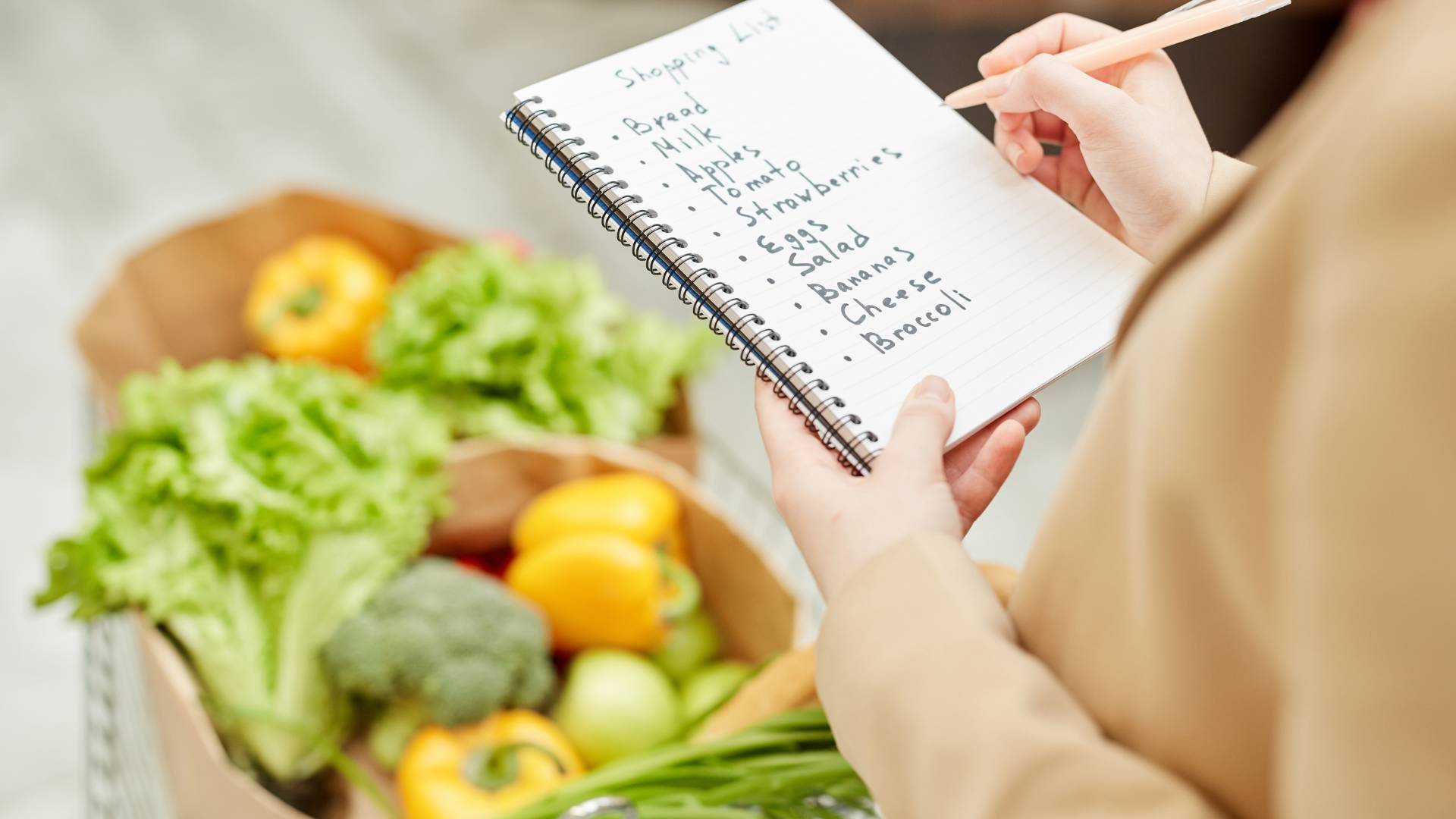
Only buy what’s actually missing, fresh vegetables, proteins, dairy, and household essentials. This step is where the routine directly prevents duplicate purchases, since you’re shopping from an honest picture of what’s already at home rather than guessing or shopping from memory.
Avoid buying duplicates by referring directly back to your pantry and freezer notes from steps one and two before you even walk into the store. A gap only list also tends to be shorter and cheaper than a list built from scratch, since you’re filling real gaps instead of restocking things you already own.
The Best Food Categories to Track Every Week
Not every category in your kitchen needs the same level of attention. Some spoil quickly and deserve a closer look every single week, while others can be checked less frequently without much risk.
| Category | Check For | Frequency |
| Produce | Spoilage, quantity | Weekly |
| Meat & Seafood | Freshness, freezer burn | Weekly |
| Dairy | Expiration dates | Weekly |
| Frozen Foods | Duplicate items | Biweekly |
| Pantry Staples | Stock levels | Monthly |
| Snacks | Opened vs sealed | Biweekly |
| Condiments | Expiration dates | Monthly |
1. Produce
Fresh fruits and vegetables spoil fastest and deserve the closest attention during your weekly check. A quick glance at the crisper drawer tells you almost immediately what needs to go into tonight’s dinner versus what still has a few days left.
2. Meat & Seafood
Track what’s fresh versus frozen, and note anything nearing its use-by date. Fresh meat and seafood carry the highest food safety risk of anything in your kitchen, so this category deserves particularly close attention every week.
3. Dairy
Milk, cheese, and yogurt often get pushed to the back of the fridge and forgotten until they’ve expired. A quick check of dates here prevents the all too common discovery of spoiled milk days after it should have been used.
4. Frozen Foods
Note quantities and how long items have been stored, since freezer burn quietly reduces quality over time. This category can be checked slightly less often than fresh produce, but still deserves a look every week or two.
5. Pantry Staples
Rice, pasta, canned goods, and baking essentials tend to last longer but still need periodic counting to avoid duplicate purchases and keep your kitchen genuinely stocked with what you use most.
6. Snacks
Track opened versus unopened items to avoid buying duplicates of things already half consumed. Snack items tend to accumulate quietly since they’re bought impulsively, so this category benefits from a regular check too.
7. Condiments
Check expiration dates here specifically, since condiments often get forgotten in door shelves for months at a time. A bottle of sauce pushed to the back can easily sit past its expiration date without anyone noticing.
Pantry Organization Tips That Make Inventory Easier

A well organized pantry and fridge make the weekly check faster every single time, since you’re not digging through disorganized shelves just to see what you have.
1. Store Similar Foods Together
Group canned goods, grains, and baking items into their own designated zones so counting takes seconds instead of minutes.
2. Use Clear Containers
Transferring dry goods into clear, labeled containers makes quantities visible at a glance without opening every bag or box.
3. Label Everything
A simple label with the purchase date helps you track age at a glance during your weekly check.
4. Rotate Food Using FIFO
FIFO stands for first in, first out. Place newly purchased items behind older ones so you naturally reach for the oldest stock first, which is one of the simplest ways to prevent forgotten food from expiring unused.
Weekly Food Inventory Checklist
A quick, printable style checklist to run through every week keeps the entire routine consistent and hard to skip:
- ✔ Check fridge
- ✔ Check freezer
- ✔ Check pantry
- ✔ Record low-stock items
- ✔ Identify foods to use first
- ✔ Plan meals
- ✔ Create grocery list
- ✔ Rotate older products
- ✔ Clean expired food
Print this out and stick it to the inside of a cabinet door, or keep a digital version pinned in your notes app for quick reference every week.
Helpful Tools for Tracking Food Inventory

The right tool makes this routine easier to maintain, though none of them are strictly necessary to get started.
- Printable Inventory Sheets
Simple, physical sheets work well for anyone who prefers writing over typing during a quick kitchen walkthrough. These can be as simple as a table with columns for item, quantity, and date last checked.
- Spreadsheet Templates
Google Sheets or Excel let you build a running inventory that updates automatically as you adjust quantities each week. This option works particularly well for anyone who already tracks other household routines digitally.
- Whiteboards
A whiteboard mounted inside a pantry door offers a visible, easy to update running list without needing a phone or paper each time. Family members can also update it directly when they notice something running low, which spreads the responsibility across the household.
- Pantry Apps
Apps like Kitchen Stock or NoWaste let you log items with expiration reminders, which adds a layer of automation to the weekly routine. These tools work especially well for households managing a larger pantry with many rotating items.
FAQs
How often should I update my pantry inventory?
A full check once a week keeps things accurate without becoming a burden. Perishable zones like produce and dairy benefit from a quick glance more frequently if you’re shopping multiple times a week.
Should I inventory every single item?
Not necessarily. Focus on perishables and higher cost items first, since these are where waste and duplicate purchases cause the most financial impact. A full pantry count can happen monthly rather than weekly without losing much accuracy.
Is a spreadsheet necessary?
Not at all. A printable sheet or even a whiteboard works just as well. The tool matters far less than actually doing the check consistently every week.
Conclusion – A Few Final Words!
A weekly food inventory routine turns forgotten leftovers and duplicate grocery purchases into a thing of the past. Checking your freezer, pantry, and fridge in under twenty minutes gives you a clear picture of what to use first and what to actually buy, which keeps both your kitchen and your grocery budget under control.
With USDA data showing that up to 40% of the U.S. food supply goes to waste and the average family losing $1,500 a year on uneaten food, this simple weekly habit pays for itself many times over. The steps covered here, from building a use first list to a gap only grocery list, work together to cut waste and save real money without requiring a complicated system to maintain.
If you’re building other consistency habits alongside this one, Best Home Workouts for Beginners is worth pairing with your weekly routine, since a structured food and fitness system together tend to reinforce each other far more than either one does alone.