


Create a Client Onboarding Checklist You’ll Reuse for Every Project
The first week with a new client sets the tone for everything that follows. A confusing kickoff, missing paperwork, or unclear expectations create friction that follows a project all the way to delivery. A solid client onboarding checklist prevents that entirely, covering everything from the welcome email to the final project timeline before real work even begins.
This guide walks through ten concrete steps, sending a welcome email, collecting client details, sending contracts and collecting payment, running discovery questionnaires, scheduling kickoff calls, setting communication expectations, organizing files, building timelines, and turning all of it into a reusable client onboarding template you can use for every project going forward.
Why Every Project Needs an Onboarding Checklist?
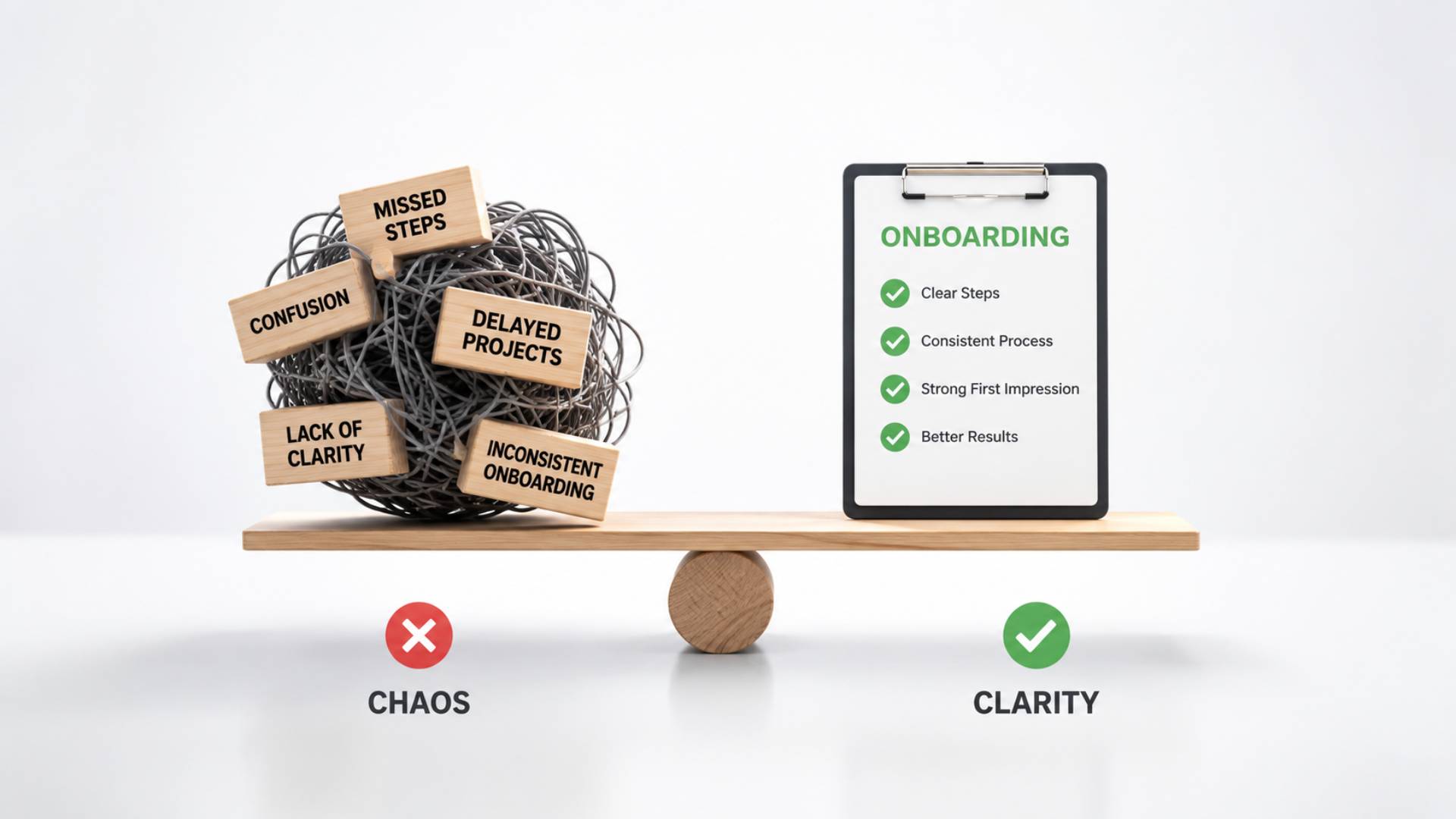
Winging it with every new client means reinventing the process each time, which leads to forgotten steps and inconsistent first impressions. A client onboarding checklist turns that chaos into a repeatable system that works the same way whether it’s your first client or your fiftieth.
Retention economics make the case clearly here. Research widely cited by Harvard Business Review, originally from Bain & Company, found that increasing customer retention by just 5% can increase profits by 25% to 95%. A strong first impression during onboarding is one of the biggest levers for keeping clients around long enough for that math to work in your favor.
Clients notice when a process feels organized from day one, and that impression often shapes how the entire working relationship unfolds. Best Freelance Skills to Learn in 2026 touches on how professionalism like this directly influences repeat business and referrals.
Your 10 Steps Client Onboarding Checklist
1. Send a Welcome Email
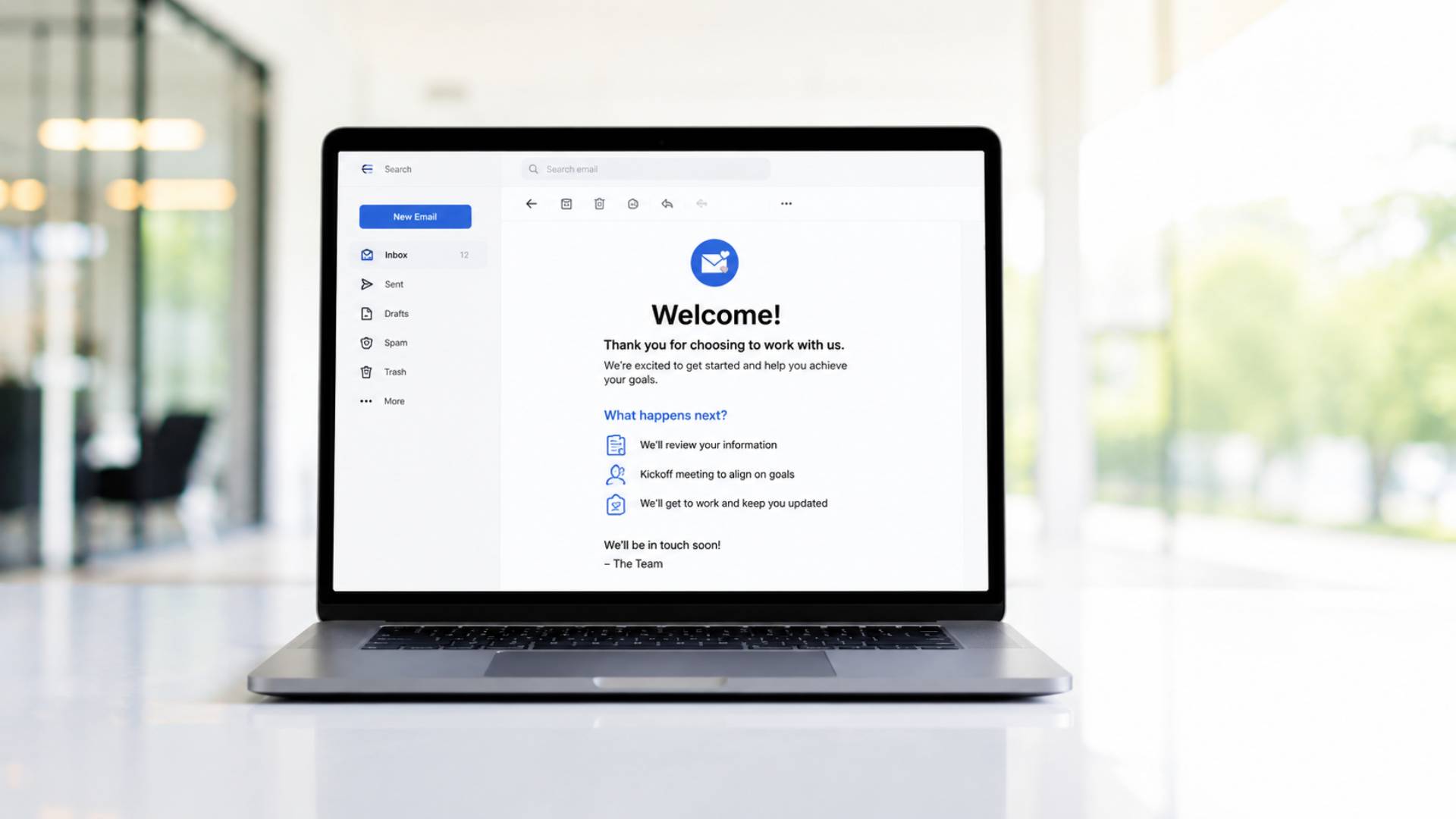
The moment a client signs on, send a welcome email that confirms the decision they just made and outlines what happens next. This step matters more than it might seem on the surface. Welcome emails consistently post open rates between 50% and 70%, compared to roughly 20% to 36% for standard marketing emails, according to benchmark data from GetResponse and Klaviyo by Codecrew.
That’s not a small gap, it’s close to double the engagement, at exactly the moment when a client is paying the most attention to what you send them.
Keep it warm but efficient. Thank them for choosing to work with you, briefly outline the next few steps, and let them know when they’ll hear from you again. A welcome email doesn’t need to be long, it needs to be reassuring.
2. Collect Client Information
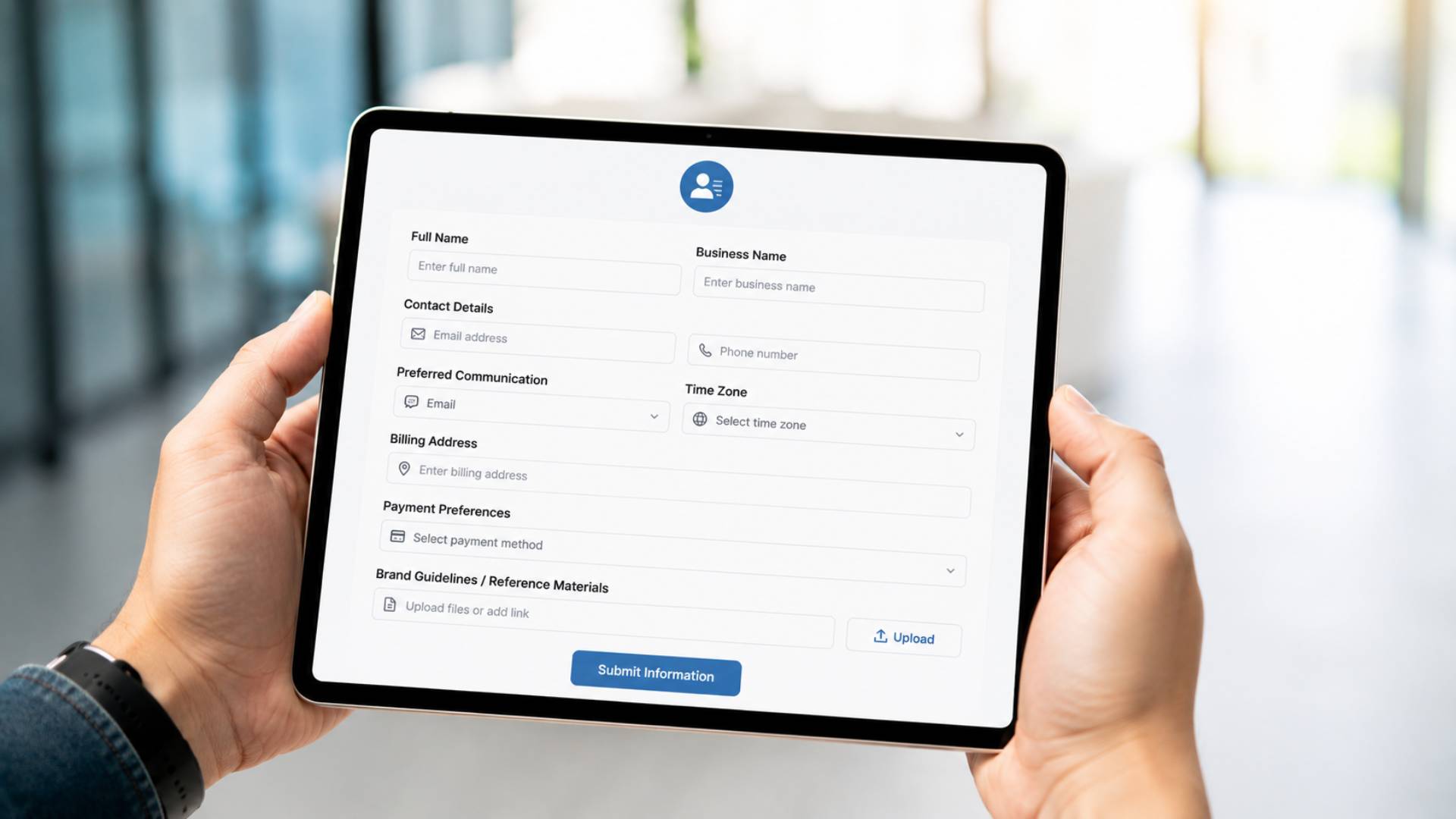
Before diving into project work, gather the basic details you’ll need throughout the engagement. This includes contact information, billing details, business background, and any specific preferences that affect how you’ll work together.
A simple intake form covers this efficiently:
- Full name, business name, and contact details
- Preferred communication method and time zone
- Billing address and payment preferences
- Any existing brand guidelines or reference materials
Collecting this upfront means you’re never scrambling for basic information mid project.
3. Send the Contract
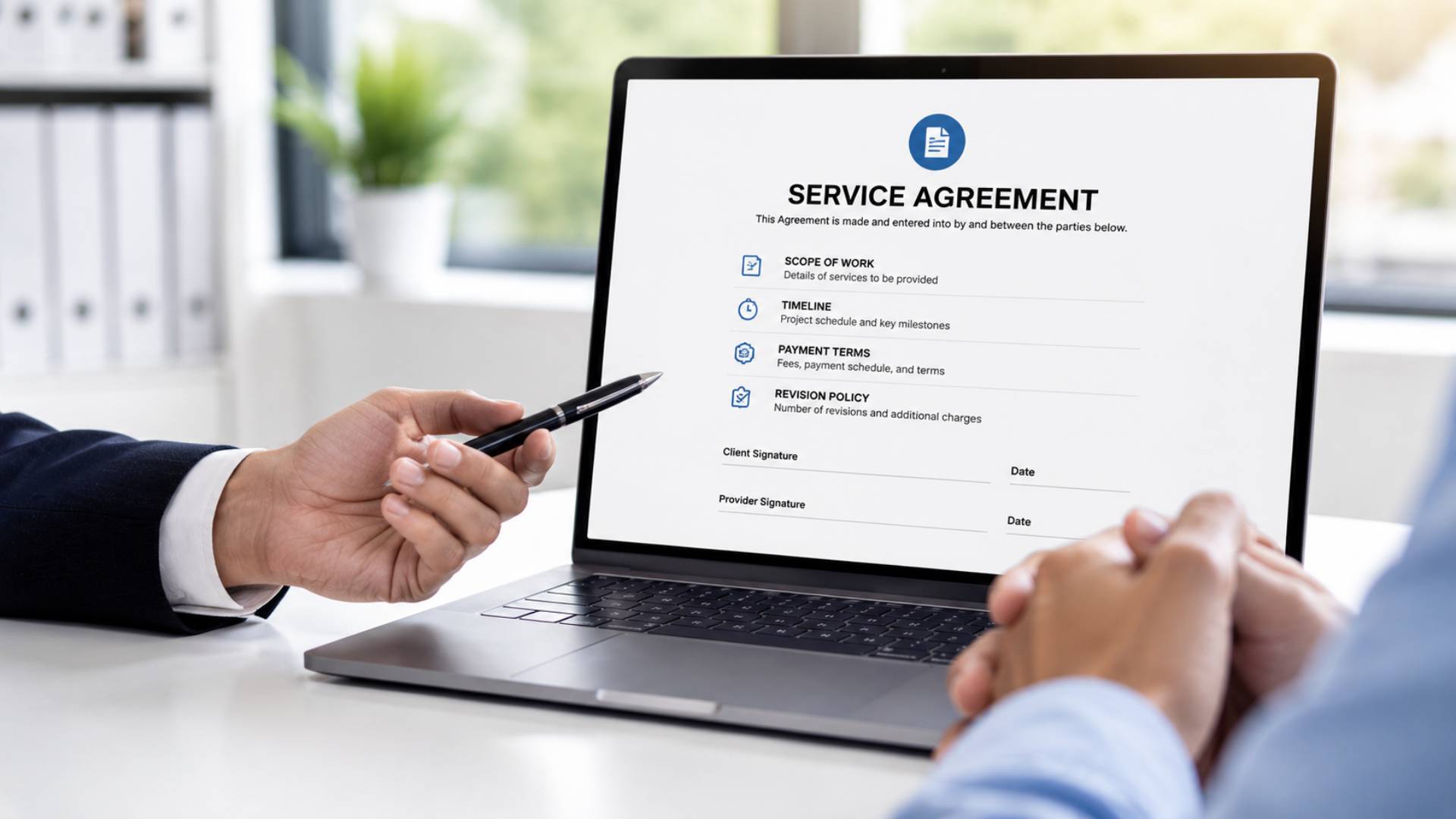
A signed service agreement protects both you and your client, and it belongs at the very start of your client onboarding checklist, not somewhere in the middle once work has already begun.
Outline scope, timeline, payment terms, and revision policies clearly. According to the Project Management Institute, 52% of all projects experience scope creep, meaning the work expands beyond what was originally agreed on. A detailed, signed contract that spells out exactly what’s included and what counts as extra work is the single most effective defense against that statistic playing out on your own projects.
4. Collect the Initial Payment

Requiring a deposit or first payment before work begins protects your time and filters out clients who aren’t fully committed. This step also formally marks the transition from conversation to active project.
Set clear payment terms in your contract so there’s no ambiguity about when this payment is due relative to the work beginning.
5. Share a Discovery Questionnaire
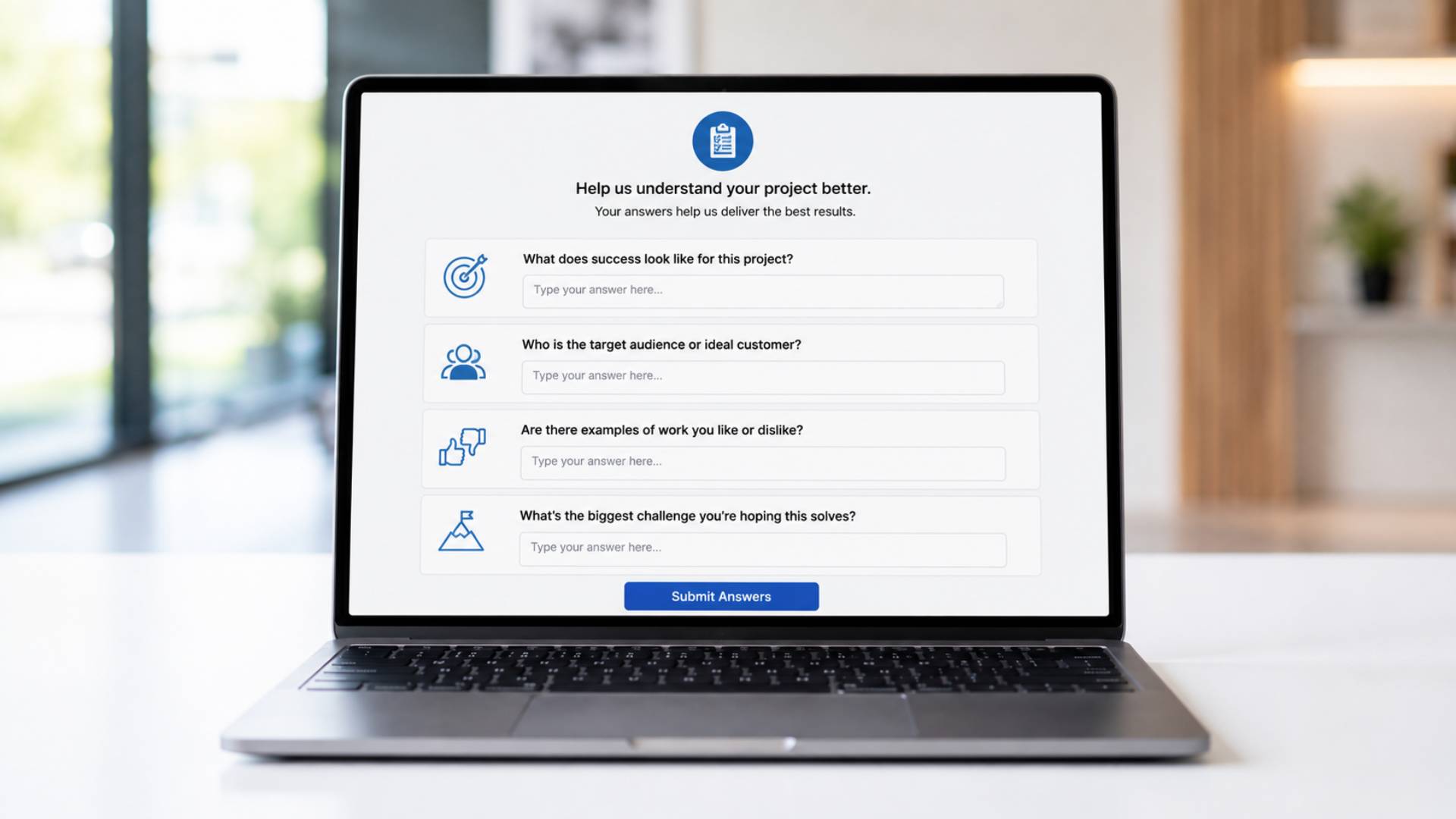
A discovery questionnaire digs into project specifics that a simple intake form doesn’t cover. This is where you learn about goals, target audience, competitors, and any specific pain points the client is hoping to solve.
Good discovery questions include:
- What does success look like for this project?
- Who is the target audience or ideal customer?
- Are there examples of work you like or dislike?
- What’s the biggest challenge you’re hoping this solves?
The more detail you gather here, the fewer surprises show up later in the project.
6. Schedule a Kickoff Meeting
A kickoff call brings everything together in real time. This is where you review the discovery questionnaire answers, confirm the project timeline, and make sure both sides are aligned before work formally begins.
Keep this meeting focused and time boxed, thirty minutes is often enough. The goal is clarity, not a lengthy conversation that could have been handled over email.
7. Set Communication Expectations
Miscommunication is one of the most common reasons projects feel stressful, even when the actual work is going well. A clear communication plan solves this before it becomes a problem.
Decide together how you’ll communicate, email, a project management tool, or scheduled calls, and how quickly each side can expect a response. Setting this expectation early prevents the frustration of unanswered messages or unclear turnaround times later on.
8. Organize Project Files
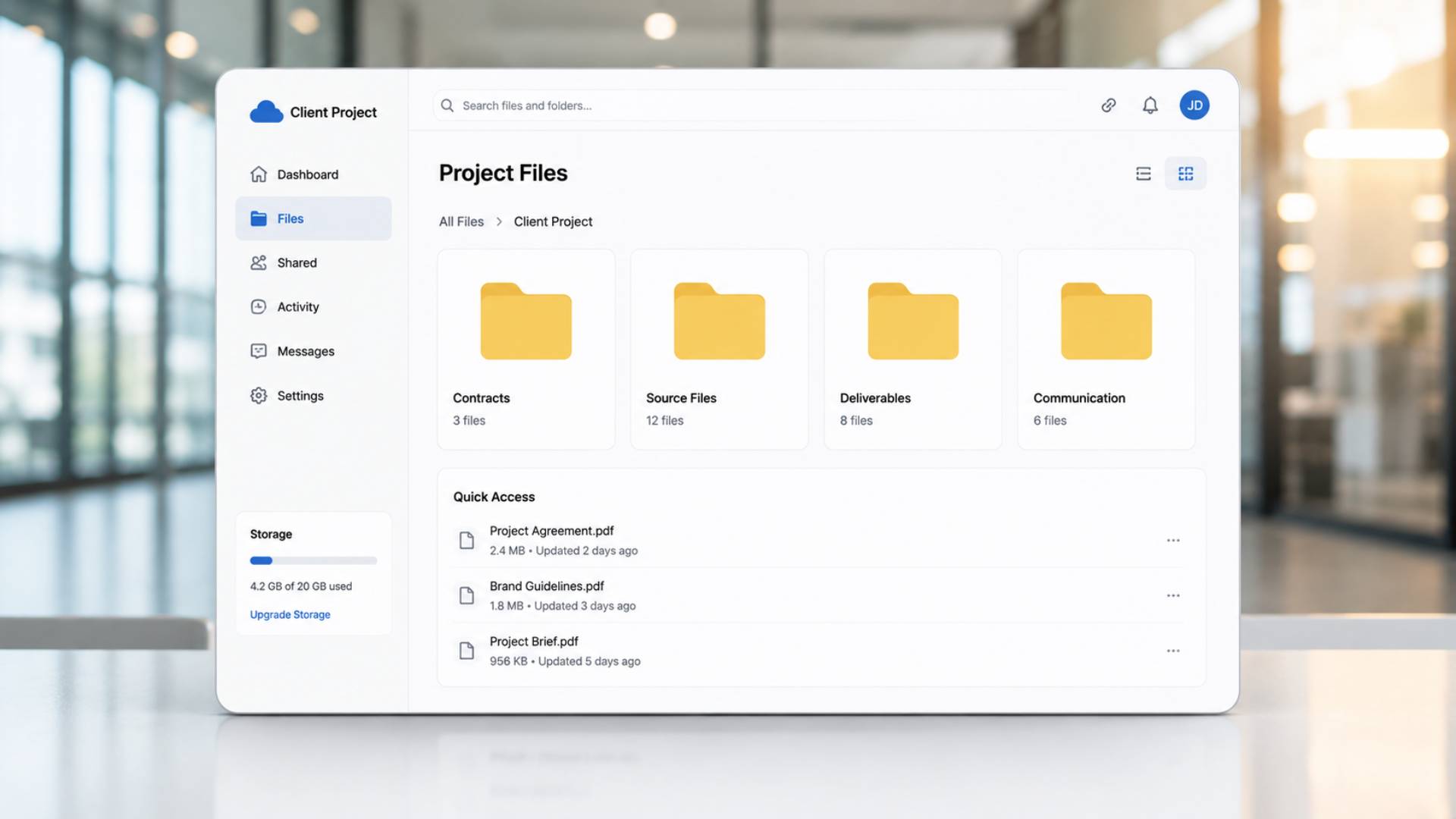
Set up a clean folder structure or client portal before files start accumulating. Waiting until midway through a project to organize things means sorting through a mess that’s already grown too large to easily untangle.
A simple structure works well here: separate folders for contracts, source files, deliverables, and communication records. Keeping this consistent across every client makes your own workflow faster and more professional-looking from the client’s side too.
9. Build a Project Timeline
A clear project timeline sets expectations for both sides about when milestones will be hit. This isn’t just useful for you, it gives the client something concrete to reference instead of wondering where things stand.
Break the project into phases with estimated completion dates for each. Share this timeline directly with the client so everyone is working from the same understanding of pace and deadlines.
10. Create Your Reusable Checklist Template
Once you’ve been through these steps a few times, turn the process into an actual client onboarding template you can duplicate for every new project. This is what transforms onboarding from something you figure out each time into a genuine workflow system.
A Weekly Money Check-In Routine Anyone Can Follow covers a similar approach to building repeatable systems, and applying that same thinking to onboarding means less mental effort spent recreating a process that should already be settled.
Best Tools That Simplify Onboarding
The right tools turn a manual onboarding process into something largely automated, saving real time on every new project.
1. Project Management Software
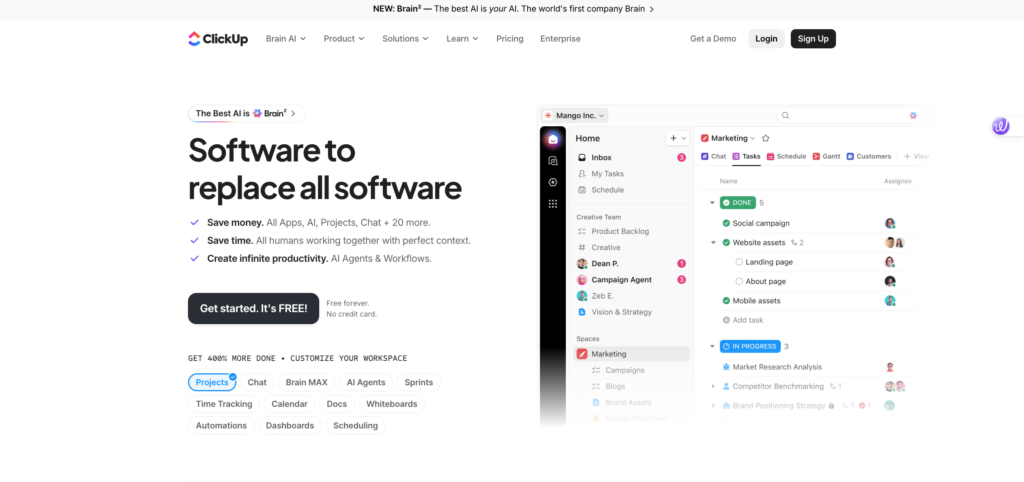
Asana and ClickUp let you build a template task list for onboarding that populates automatically with every new client, so nothing gets missed between projects. Once set up, the same checklist runs every time without you having to recreate it from memory.
2. Client Portals
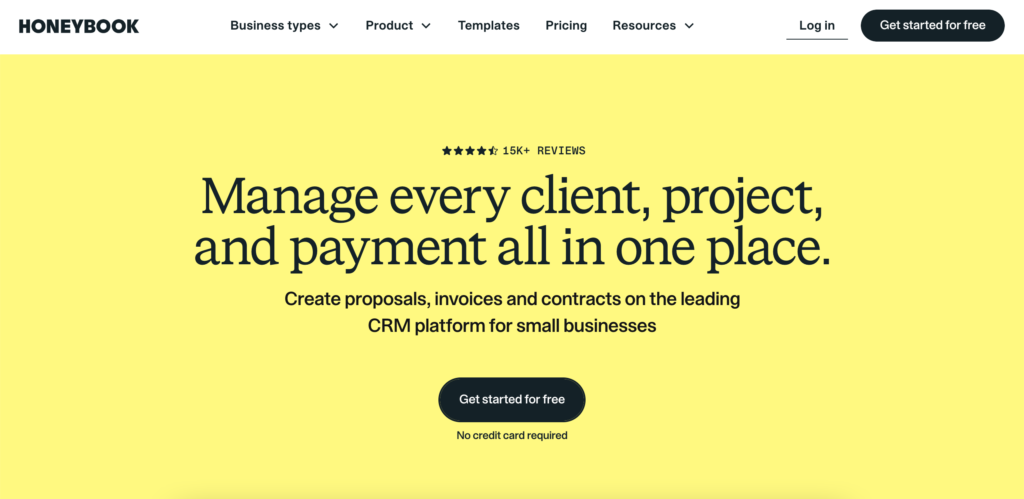
Dubsado and Honeybook centralize contracts, invoices, and communication in one place the client can access anytime. This noticeably improves the client experience from day one, since everything lives in a single spot instead of scattered across emails.
3. Electronic Signatures
DocuSign speed up contract signing significantly compared to printing, signing, and scanning documents manually. What used to take days over email often gets resolved within minutes.
4. Scheduling Tools
Calendly removes the back and forth of finding a kickoff meeting time that works for everyone. Clients pick a slot directly from your available times, which cuts out several rounds of unnecessary messaging.
5. Cloud Storage
Dropbox keep project files organized and accessible from any device. Setting up a consistent folder structure here means every new client’s files land in the same predictable place.
6. CRM Systems

HubSpot or even a simple spreadsheet based system help track client history and communication across multiple ongoing projects. This becomes especially useful once you’re juggling several clients at different stages of the onboarding process at once.
Together, these tools reduce the manual work behind every step of your onboarding process, letting the system run consistently without requiring your full attention each time.
FAQs
What is a client onboarding checklist?
A client onboarding checklist is a repeatable list of steps you follow with every new client, from the initial welcome email through contract signing, discovery, and kickoff, ensuring nothing important gets missed.
Why is onboarding important?
A strong onboarding process builds trust immediately, sets clear expectations, and prevents the kind of miscommunication that often derails projects later. Given that a 5% increase in retention can boost profits by up to 95%, a smooth first impression carries real financial weight, not just a better mood on both sides.
What should every onboarding checklist include?
At minimum, a welcome email, signed contract, initial payment, discovery questionnaire, kickoff meeting, and clear communication plan. These core elements cover the most common sources of confusion in new client relationships.
Conclusion – A Few Final Words!
A client onboarding checklist turns the chaotic first weeks of a new project into a smooth, predictable process that builds trust from day one. The ten steps covered here, from a simple welcome email to a fully reusable template, remove the guesswork that often derails projects before they even begin.
Building this system once means every future client benefits from the same level of professionalism and clarity, without you having to reinvent the process each time. With scope creep affecting 52% of all projects and retention improvements carrying outsized financial impact, the effort spent here pays for itself many times over.
If you’re building out other repeatable systems for your freelance business, 15 Online Business Ideas to Start With No Money is worth exploring alongside this checklist, since a strong onboarding process supports growth across nearly any service based business model.