


The Meal Planning Friction List That Removes Everyday Obstacles
Dinner rarely fails because you forgot how to cook. It fails because twelve small obstacles pile up between you and the stove, an empty pantry, a tired evening, a kid who suddenly hates pasta, and by 5 PM the whole plan quietly falls apart. A meal planning friction list names each of these obstacles specifically, then pairs every single one with a practical fix you can actually use this week.
This isn’t another meal plan template asking you to cook seven new recipes a week. It’s a system built around the real friction points that derail even the best intentions, with an easy meal planning system designed to work around your actual life instead of an idealized version of it.
Why Meal Planning Feels Harder Than It Should (The Real Cost of Friction)
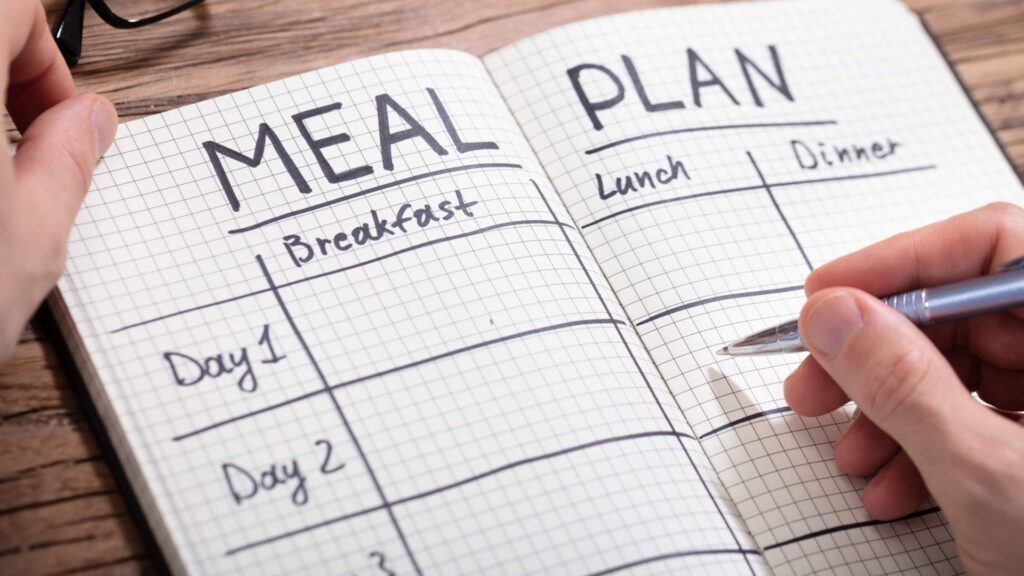
Meal planning gets blamed for being tedious, but the real issue is rarely the planning itself. It’s the accumulated friction, small daily obstacles that make following through harder than it needs to be. A great Sunday meal plan means nothing if Tuesday’s exhaustion, an empty spice rack, or a picky eater derails it by Wednesday.
Research from ReFED, a nonprofit focused on food waste reduction, found that meal planning corresponded to a 53% increase in the likelihood of households reporting reduced food waste, particularly among lower income households.
That single behavior change carries real financial weight, but only when the friction preventing it actually gets addressed
The Complete Meal Planning Friction List
Here are the twelve obstacles that quietly wreck most weekly meals. Each comes with a reason it happens and a fix that actually works.
Friction 1: Decision Fatigue

By six in the evening, you have made so many choices already. Picking dinner feels heavier than it should. Even the ingredients sitting in your fridge feel like a puzzle.
Your willpower and your decision making draw from the same limited well. That’s why the food is usually the last decision left standing after your long day. You may handle this by building a short list of go to meals. You never have to think about them twice.
Once your decision is already made, food decision fatigue loses its grip on you.
Friction 2: Empty Pantry
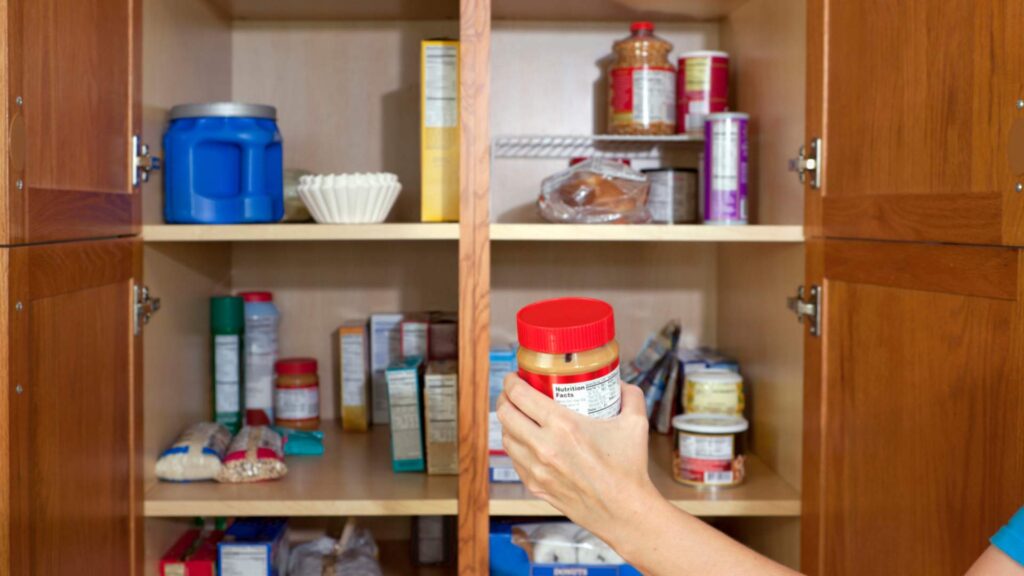
You planned a recipe. You opened the cabinet. One key item was missing. Now your whole plan is off.
You probably treat grocery planning as an afterthought most weeks. Staples run out quietly while you go about your days. You do not notice until the exact moment you need them. Solve this with a standing list of pantry staples. Restock it before it runs low, not after.
Friction 3: No Time to Cook

Some nights you simply do not have enough time. Getting home and getting everyone fed can feel impossible on your packed schedule.
Most meal plans assume you have a full hour in the kitchen. That rarely matches your real life. Try building a few fifteen minute meals into your weekly menu instead. A sheet pan dinner works well here. So does one pot pasta or a quick stir fry.
Friction 4: Grocery Shopping Takes Too Long

Your quick grocery run turns into forty five minutes. You end up backtracking through the same aisles twice.
You probably write your list in the order meals come to mind. That rarely matches the order aisles actually appear. Turn this around with a list sorted by section. Produce, protein, dairy, then pantry. Your trip moves in one direction from the door to the checkout line.
Friction 5: Too Many Ingredients
The recipe looked great online. Then the ingredient list ran to fifteen items. Half of them were unfamiliar to you.
Recipe sites are built to impress you. They are not built for you to repeat on a Tuesday night. You may favor meals with six or fewer core ingredients instead. And let those ingredients overlap across your week.
Friction 6: Food Waste
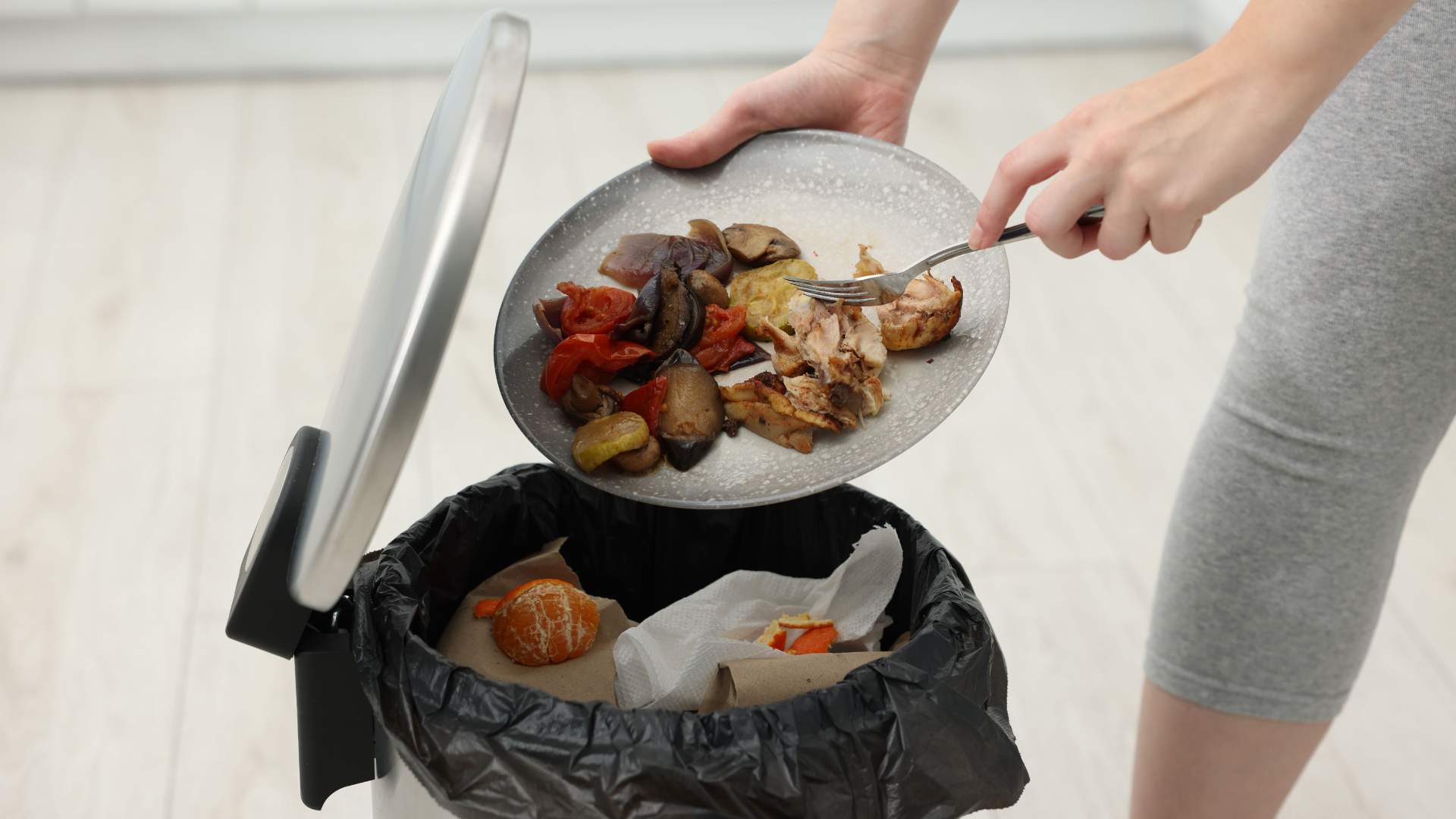
Your produce goes soft in the crisper drawer. It gets thrown out before you ever cook it.
You probably plan meals around what sounds appealing to you. Not around what is already in your fridge. According to the USDA, food waste accounts for roughly 30 to 40 percent of the entire food supply in the United States. Much of that loss happens right in your own kitchen.
Clear this by planning two or three meals around ingredients you already have on hand. Add anything new only after that.
Friction 7: Family Preferences
One person in your house wants pasta. Another wants something lighter. A third refuses vegetables on principle.
You are asking one meal plan to satisfy several different appetites at once. Address it with a base meal and simple add ons. A taco night works well for this. So does a grain bowl where everyone builds their own plate. If you are also tracking weight or muscle goals at home, Simple Weight Gain Meal Plans for Beginners can help you balance those needs without splitting into separate dinners.
Friction 8: Lack of Motivation

Some weeks, cooking just feels like too much for you. Even when your ingredients are ready and your plan is written down.
Your motivation is not a stable resource. It rises and falls with your sleep, your stress, and your workload. Keep a low effort backup meal on hand for these nights. It should require almost no willpower from you to make.
Friction 9: Busy Weeknights

Your practices, meetings, and errands eat into the exact hours you need to cook. Your busiest night often gets the least planning attention.
You probably build your weekly menu without checking your calendar first. A slow braised dish ends up scheduled on the one night you are not even home before seven. Map your meals to your calendar before the week starts. Give your busiest nights the fastest dinners.
Friction 10: Bored With Meals

The same five dinners on repeat start to feel flat to you. Even when they count as healthy meals.
Your rotation narrows over time. You default to what is easiest and stop reaching for anything new. Swap in one new recipe every couple of weeks instead. Your variety grows without adding real effort.
Friction 11: Kitchen Clutter
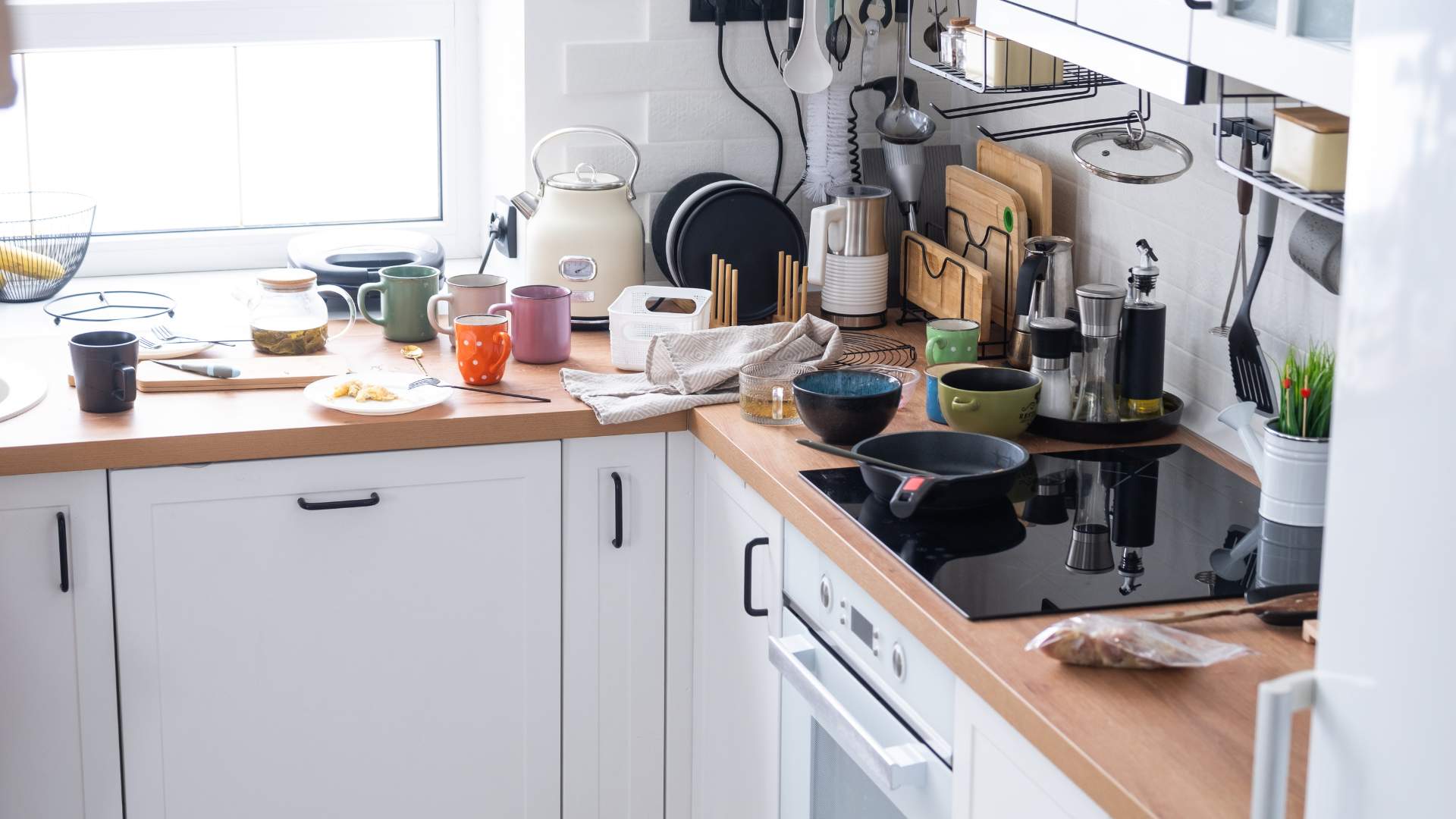
A messy counter makes even a simple dinner feel harder for you to start. Your first step becomes clearing space instead of cooking.
Your kitchen organization tends to slide during busy stretches. Clutter adds friction before you even begin cooking. Reset your kitchen for five minutes at the end of each night. Wipe your counter and put your dishes away while the mess is still fresh.
Friction 12: Forgetting the Plan

Your plan existed. It just was not visible to you when it mattered most. Your dinner decisions defaulted back to whatever felt easiest in the moment.
You write plans once and then bury them. A notes app or a slip of paper in a drawer rarely gets checked by you. Put your plan somewhere you see it daily instead. A fridge, a whiteboard, or a shared phone note all work.
How to Remove Each Friction: Your Low Friction Action Plan
Each fix above works best when you turn it into a repeatable habit. Here is how you build that habit into an easy meal planning system. One that holds up on your real weeks, not just your good ones.
1. Build a Short Rotating Go-To List

Pick eight to ten meals your household already likes. Keep that list visible to you. Pull from it first before you search for anything new. This single habit clears out most of your food decision fatigue. Your hardest choice, what counts as an option, is already settled before you even open the fridge.
2. Plan Only 3 to 5 Dinners and Build in Flex Nights
Do not plan all seven of your nights. Plan three to five meals instead. Leave the rest open for leftovers, quick dinners, or eating out. This keeps your meal planning friction list realistic instead of rigid.
3. Start With What You Already Have

Check your fridge, freezer, and pantry first. Build two or three meals around what you already have. Fill any gaps with a shorter grocery list. This step alone ranks among the fastest ways for you to cut food waste at home.
4. Create One Smart, Sectioned Grocery List

Write your list by store section, not by recipe. This turns your grocery shopping into a straight line instead of a maze. It also keeps your grocery planning from eating into your week. If you are pairing this with nutrition goals, Build a Calorie Consistency Tracker can help you add structure without losing flexibility.
5. Keep a Low Energy Backup Lane
Always have one meal ready that needs almost no effort from you. A frozen dinner works. So does a can of beans and rice. This becomes your answer on low motivation nights.
6. Add Light Structure Without Rigidity

Assign loose themes to nights, like pasta night or leftovers night, instead of locking in exact recipes weeks in advance. This gives your easy meal planning system enough structure to reduce decisions without feeling restrictive, striking a balance between having a plan and leaving room to adjust it.
7. Share the Load and Review Weekly
Involve other household members in choosing meals and picking up groceries. Spend five minutes each week reviewing what worked for you. This keeps your meal planning friction list current instead of stale.
Kitchen Tools That Remove Friction
A few simple tools make your whole meal prep routine noticeably smoother. None require a full remodel or a big budget from you.
1. Meal Planner
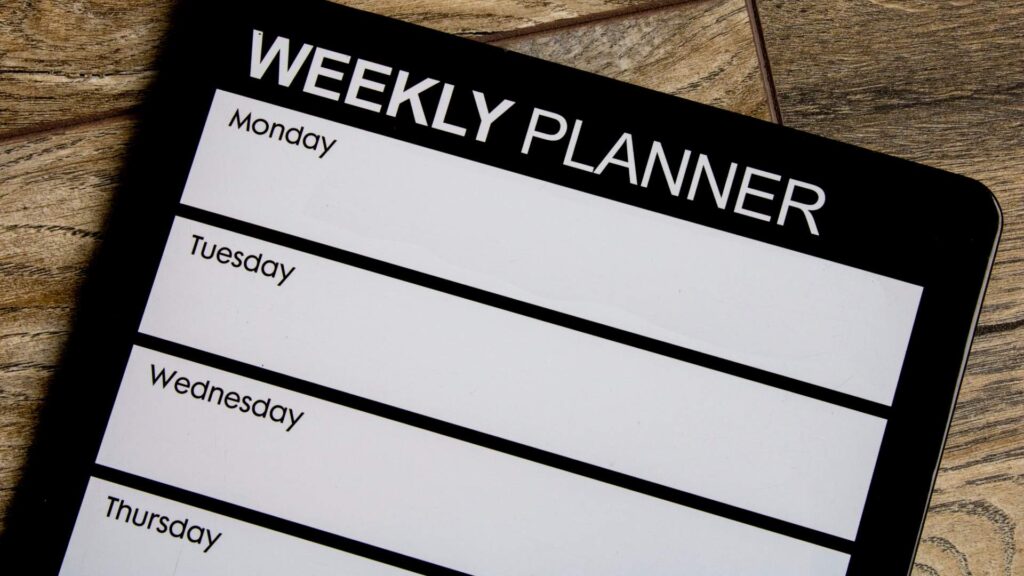
A paper or digital meal planner gives your weekly menu a home. Seeing your plan laid out cuts down on you rebuilding it from memory. It also makes your grocery planning faster since your list writes itself from the page.
2. Magnetic Whiteboard
A whiteboard on your fridge solves your forgotten plan problem instantly. You see it every time you open the fridge. That is often the exact moment your dinner decisions happen.
3. Food Containers
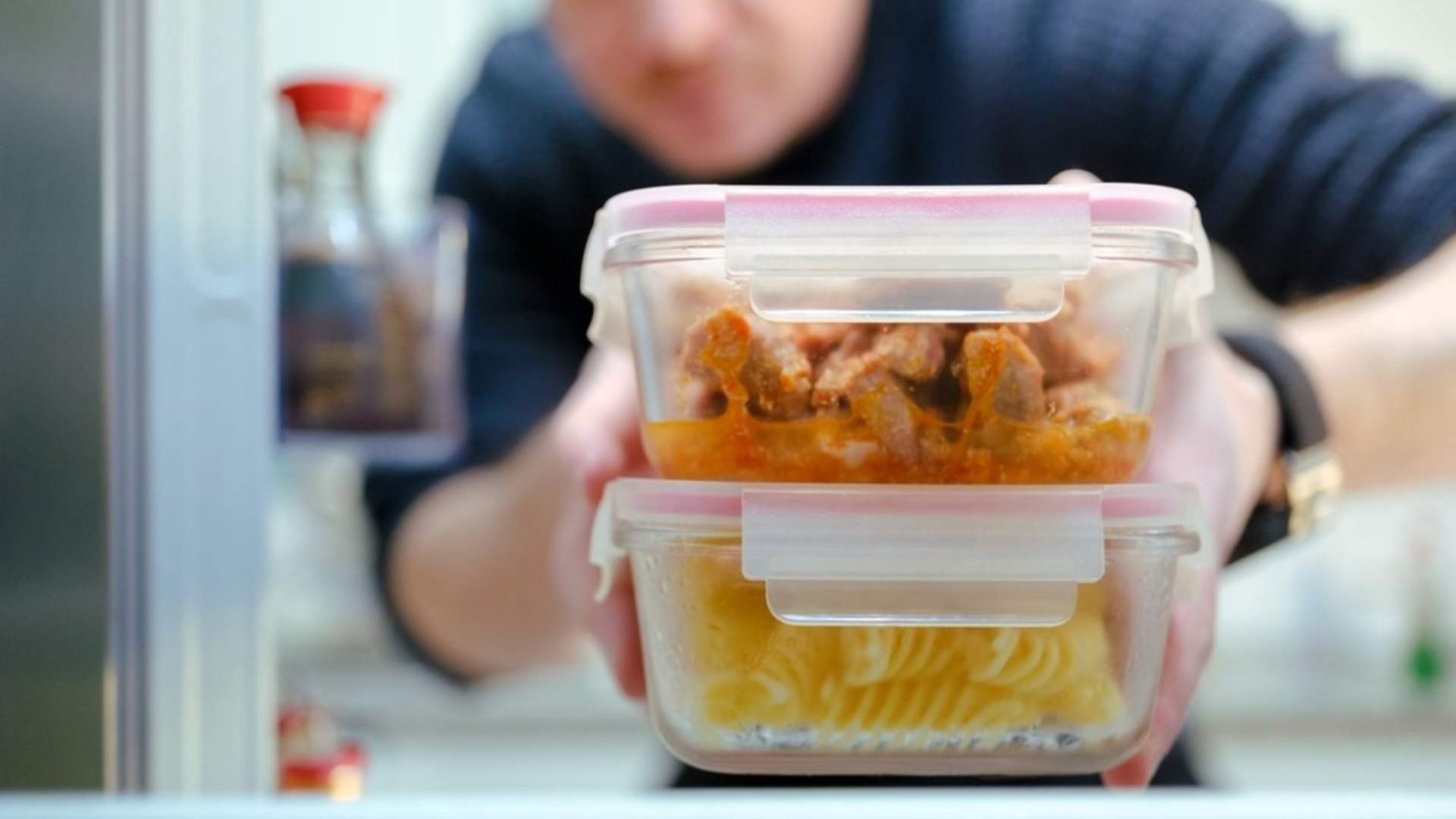
Matching, stackable containers make your batch cooking and leftovers easier to store. This cuts down on your food waste since nothing gets lost behind a mismatched lid.
4. Freezer Labels
Labeling your frozen meals with the date and contents turns your freezer into a real backup lane. It stops being a mystery drawer full of unmarked bags. This also gives you better food organization overall.
5. Digital Grocery App

A shared grocery app lets everyone in your house add items in real time. Your list stays accurate right up until your store run. It ranks among the simplest upgrades you can make to any meal planning system. If you are building longer term goals, Best Diet Plan for Healthy Weight Loss offers you a useful next step once your daily friction is under control.
FAQs
How can a meal planning friction list help reduce decision fatigue?
It removes your guesswork by naming problems ahead of time. Your brain has one less thing to solve at six in the evening.
How often should you update your meal planning friction list?
Once a week is enough for you in most households. A short review keeps your list matched to your actual schedule.
Can a meal planning friction list help save money and reduce food waste?
Yes, and the data backs it up for you. A study of over 40,000 adults published in the International Journal of Behavioral Nutrition and Physical Activity found that people who plan meals in advance report better diet quality and less waste than those who decide meal by meal.
Conclusion – A Few Final Words!
A meal planning friction list works because it treats your dinner as a series of small, solvable problems. Decision fatigue, an empty pantry, a forgotten plan. Each one has a specific cause and a specific fix. None of them require you to overhaul how your kitchen runs.
Research backs this up for you. One survey found that roughly 70 percent of people who plan meals in advance actually stick to their plan. This pattern was documented by the Family Dinner Project. That consistency is what turns your good week into a repeatable routine.
Start with one or two fixes from this list this week. Do not try all twelve at once. If your goals extend beyond dinner planning, Weight Gain Mistakes Beginners Should Avoid is a useful next read for you to build the same kind of low pressure consistency.