


The Weekly Weight Loss Reset Checklist for Busy People
Most weight loss plans fail for a simple reason. Life gets busy, one bad week turns into three, and the whole effort quietly falls apart. A Weight Loss Reset Checklist solves that by giving you a short, repeatable routine to run every single week instead of hoping willpower carries you through months at a time.
This checklist covers reviewing last week without guilt, planning meals, prepping food, and tracking more than just the number on the scale.
Ten steps, about an hour, and a habit that actually holds up under a genuinely busy lifestyle.
How a Weekly Reset Makes Weight Loss Easier

A weekly reset breaks healthy weight loss into small, manageable pieces instead of one overwhelming goal, and it works as a weight loss routine precisely because it repeats. Reviewing progress every seven days catches small slips before they turn into months of drift, which is usually what derails people in the first place.
This approach also builds structure around meal planning and exercise routine choices, so decisions get made ahead of time rather than in the moment when hunger or fatigue makes bad choices more likely. A Weight Loss Reset Checklist beats a rigid, all or nothing plan almost every time, and it fits naturally alongside other healthy habits you are already building.
Your Weekly Weight Loss Reset Checklist
Ten simple steps make up this weekly checklist, and each one takes only a few minutes once you settle into a rhythm.
1. Review Last Week Without Judging Yourself

Look back at what worked and what did not, without turning it into a personal failure. A rough week does not erase progress, it just gives you information for the week ahead.
Writing things down matters more than people expect. Research from the Kaiser Permanente Center for Health Research, published in the American Journal of Preventive Medicine, followed more than 1,500 adults through a structured weight program. As a result participants who kept food journals lost almost double the weight of those who did not. And more than two-thirds of them lost at least nine pounds which is enough to meaningfully lower their health risk.
A short weekly review borrows that same principle on a smaller scale, since simply looking back at what you ate and did tends to shift behavior on its own.
2. Plan Every Meal Before Monday
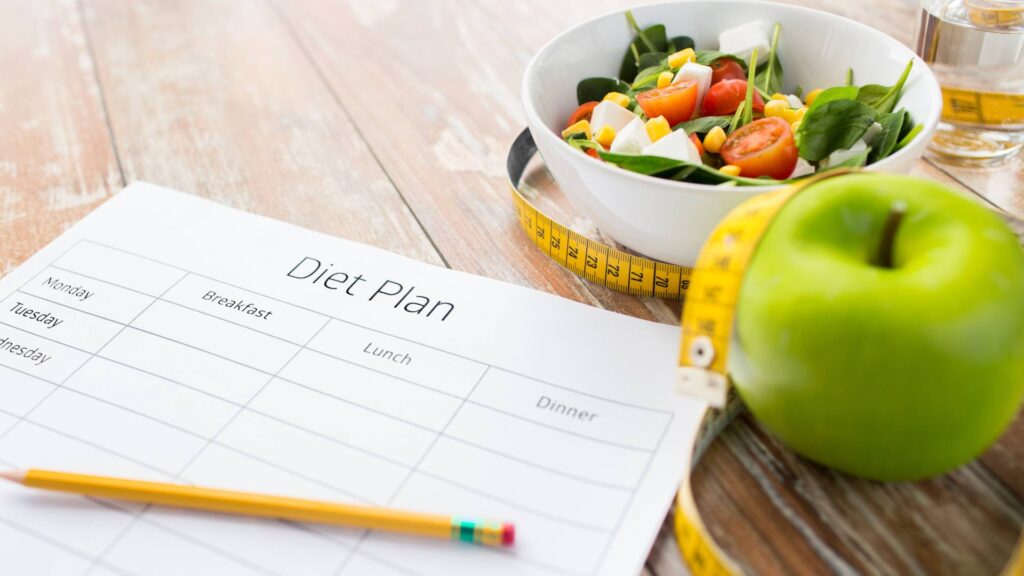
Meal planning ahead of time removes the daily question of what to eat, which is often where healthy eating breaks down. A study of more than 40,000 adults published in the International Journal of Behavioral Nutrition and Physical Activity found that meal planning was associated with a healthier diet and lower odds of obesity, compared with people who did not plan meals at all. If you are still building out your weekly menu, Best Diet Plan for Healthy Weight Loss breaks down a few solid frameworks to borrow from.
Even a rough plan sketched on a sticky note beats no plan at all. The goal is not a perfect menu, just enough structure that decisions get made before hunger takes over.
3. Prep Healthy Foods in Advance

Spend an hour prepping vegetables, proteins, and grains so healthy options sit ready in the fridge before hunger hits. Weekly meal prep turns good intentions into food that is actually available the moment you need it, rather than a plan that only exists on paper.
This step alone tends to cut down on last minute takeout orders, since a container of prepped food is almost always faster than waiting on delivery. Even prepping two or three meals in advance makes a noticeable difference across a full week.
4. Schedule Your Workouts Like Appointments
Put your exercise routine directly into your calendar the same way you would a work meeting. Workouts that are scheduled ahead of time get completed far more often than workouts that depend on finding free time later in the day. For anyone just getting started, Home Workouts for Beginners offers a simple starting point that does not require a gym membership.
Treat these blocks as fixed, not optional. A twenty-minute session that actually happens beats an hour-long workout that keeps getting pushed to tomorrow.
5. Remove Common Temptations
Clear out foods that consistently derail your week, whether that is a snack drawer or a fully stocked pantry shelf. If belly fat is a specific concern, this step paired with How to Burn Belly Fat Naturally gives you a more targeted plan alongside the basics.
Out of sight really does mean out of mind here. Even a short walk to a store adds enough friction to stop most impulse eating before it starts.
6. Set One Goal for the Week

Pick a single, specific goal rather than five vague ones stacked on top of each other. One clear target, like three workouts or five home cooked dinners, is easier to hit than a long wish list that quietly overwhelms you by Wednesday.
Write the goal down somewhere visible. A goal that lives only in your head tends to get quietly forgotten by the second or third day of a busy week.
7. Track More Than Your Weight

The scale is only one measurement, and it can bounce around for reasons that have nothing to do with real progress. Energy levels, sleep quality, and how your clothes fit all matter for fitness goals, and a habit tracker can capture these details when the number on the scale stalls.
- Energy levels throughout the day
- Sleep quality and total hours
- Workout performance week to week
- Waist measurement alongside body weight
Frequency matters here too. A study highlighted by the American Heart Association tracked more than a thousand adults over a year and found that people who weighed in six or seven times a week averaged real weight loss. However, those who weighed in once a week or less saw essentially no change. A weekly reset is a reasonable middle ground for people who do not want to weigh in daily but still want a consistent signal.
8. Prepare for Busy Days

Identify your two or three busiest days each week and plan simple, low effort meals for those days specifically. A Healthy Smoothie Recipes for Energy roundup works well here, since a quick blended breakfast keeps portion control in check without any real prep time involved.
Busy days are exactly when plans fall apart, so building a specific backup plan for them protects the rest of your week from one chaotic Tuesday.
9. Create a Sunday Reset Routine

Pick one consistent day, often a Sunday, to run through the full checklist from start to finish. Doing this at the same time each week turns the process into routine rather than a task you have to remember or talk yourself into.
Pair the routine with something enjoyable, like a favorite playlist or a cup of coffee, so it feels less like a chore and more like part of your weekend.
10. End the Week With a Progress Review
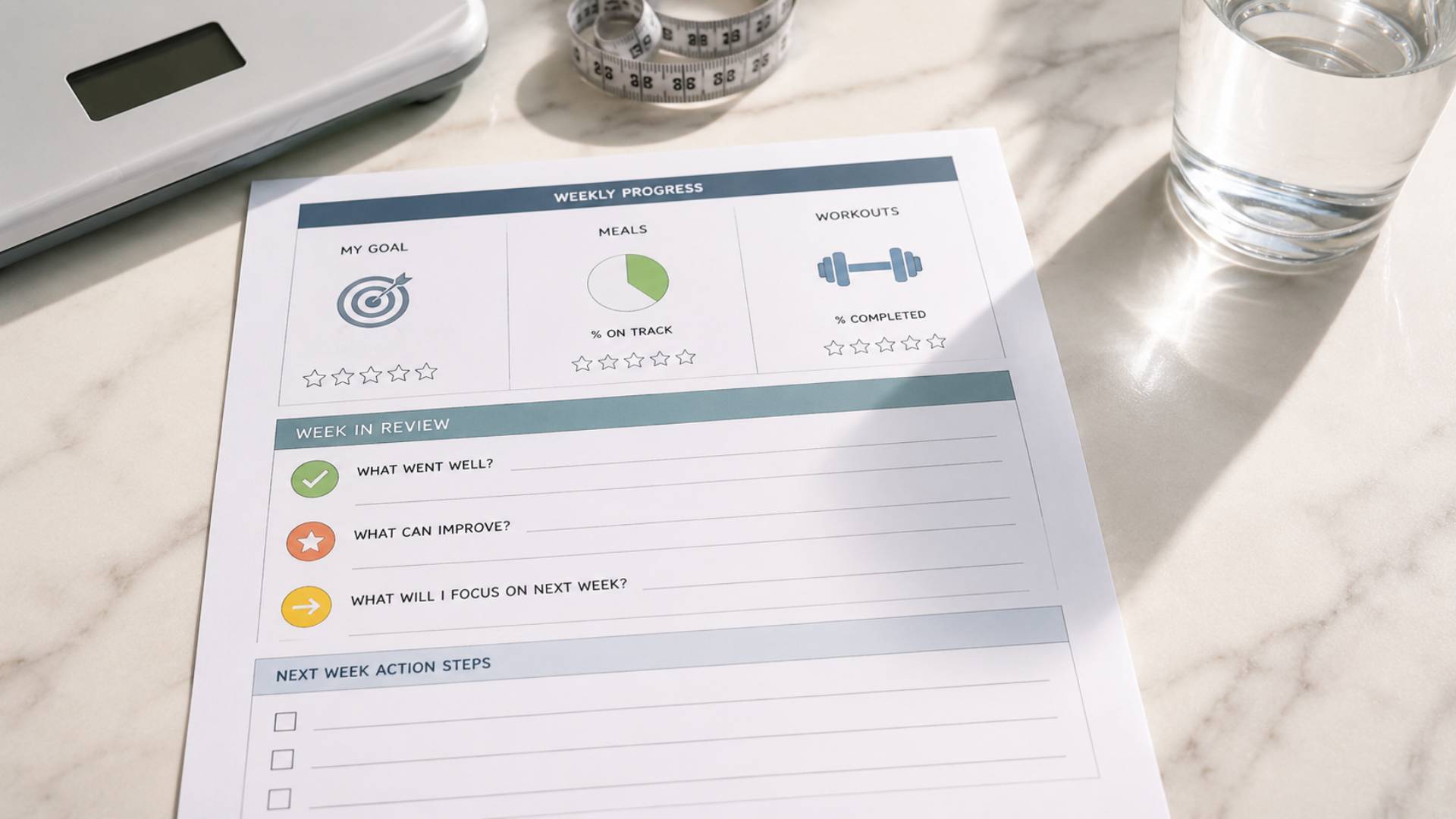
Close out the week by checking in on your one goal, your meals, and your workouts. Weekly progress reviews like this keep the whole system honest and give you a clear starting point for the next reset.
Be specific about what you notice. “Better” is vague, but “hit two of three planned workouts” gives you something concrete to build on next week.
Habits That Make the Checklist Stick
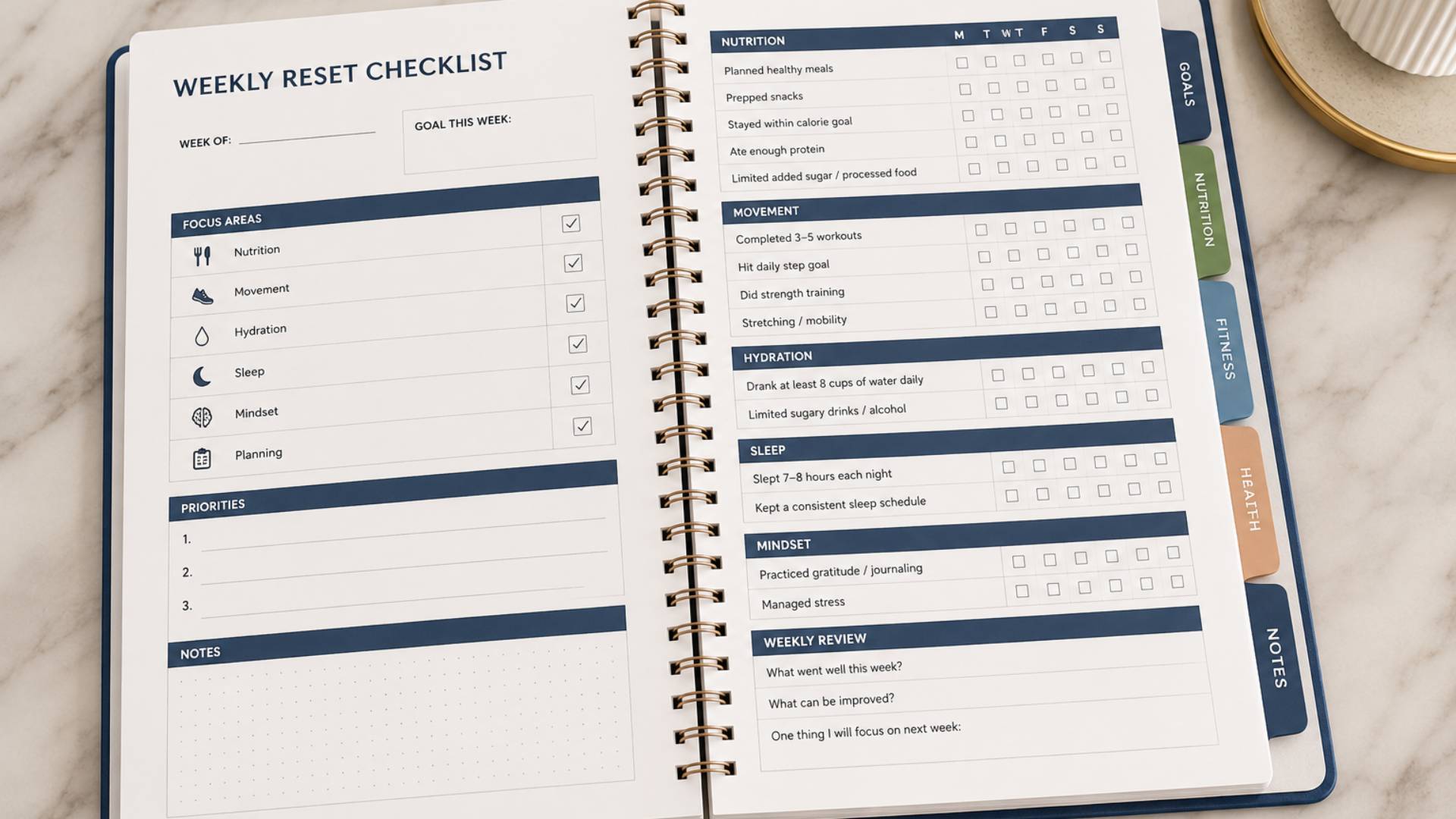
1. Keep Your Reset Under One Hour
A reset that drags on for two or three hours will not survive a genuinely busy week. Keeping the whole process under sixty minutes makes it realistic to repeat every single week without dreading it or quietly skipping it.
2. Stack It Onto an Existing Routine
Attach your reset to something you already do, like folding laundry or watching a regular show. Habit stacking makes new routines stick because they borrow momentum from habits that are already automatic, which supports active living without demanding extra willpower.
3. Keep the Checklist Visible
Print the checklist or keep it pinned somewhere you will actually see it, not buried in a notes app you forget to open. Visibility alone accounts for a surprising amount of follow through with any new habit tracker or system you try to build.
3 Best Meal Planners For You!
A checklist works better with a place to write it all down. Here are three planners worth considering if you want your weekly meal prep and reset written down instead of scattered across sticky notes.
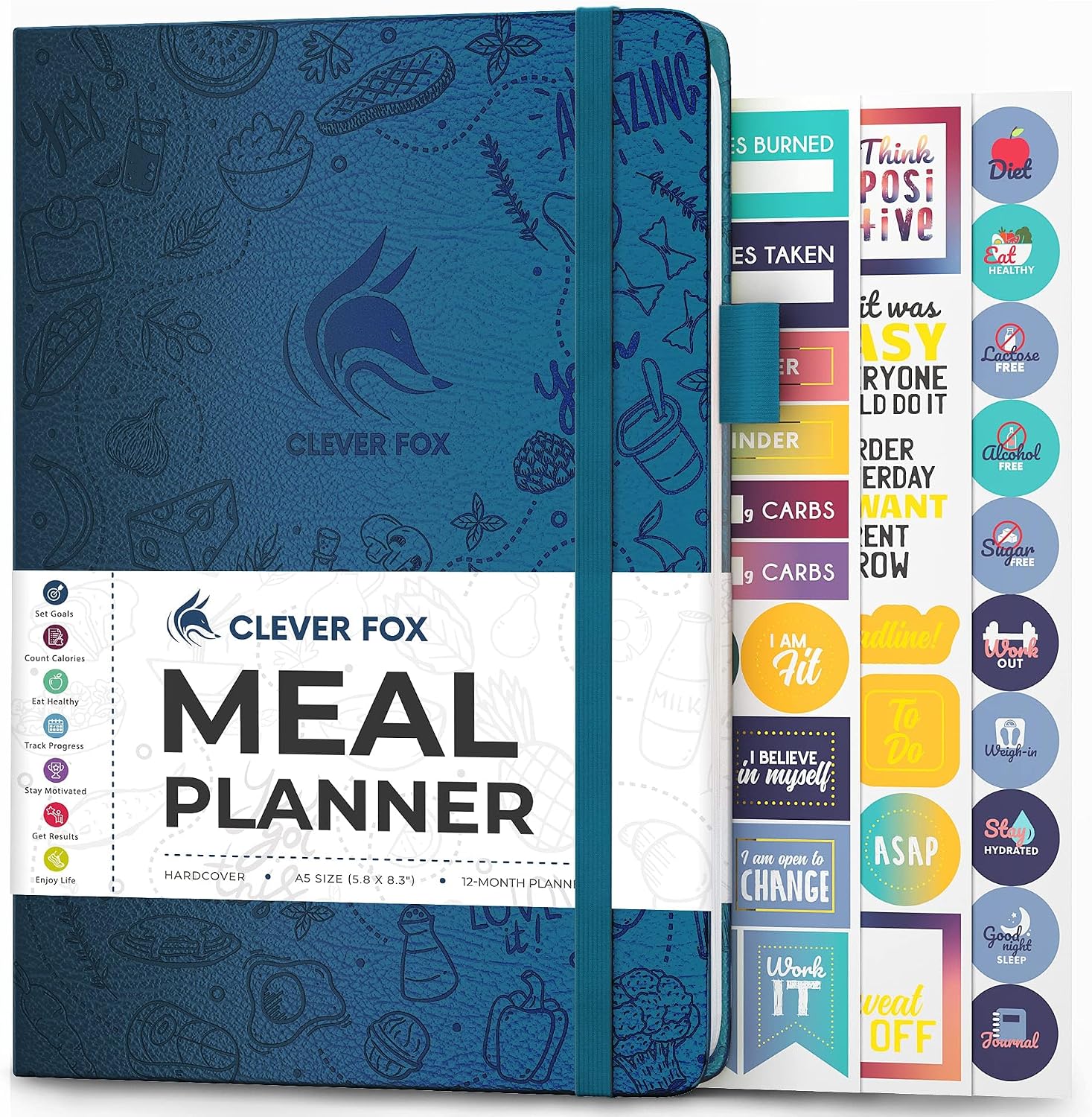
1. Clever Fox Weekly Meal Planner Notebook – Eco Leather Hardcover
- This planner pairs weekly and daily layout pages with built in shopping lists, so meal planning and grocery runs stay in one place.
- The eco leather hardcover gives it a sturdy, almost professional feel that holds up through a full year of daily use.
- Thick 120gsm paper keeps pen from bleeding through, which matters if you write in it every single day.
This planner brings real structure to meal planning with weekly and daily layout pages, plus built in shopping lists that save a separate trip to write everything down. The eco leather hardcover gives it a sturdy, almost professional feel that holds up to a full year of daily use.
Thick 120gsm paper means the pen does not bleed through, which matters if you write in it daily. For anyone building a weekly meal prep habit from scratch, this is a solid, well-designed place to start.
Specs Overview
- A5 size, undated
- Eco leather cover
- Full year layout
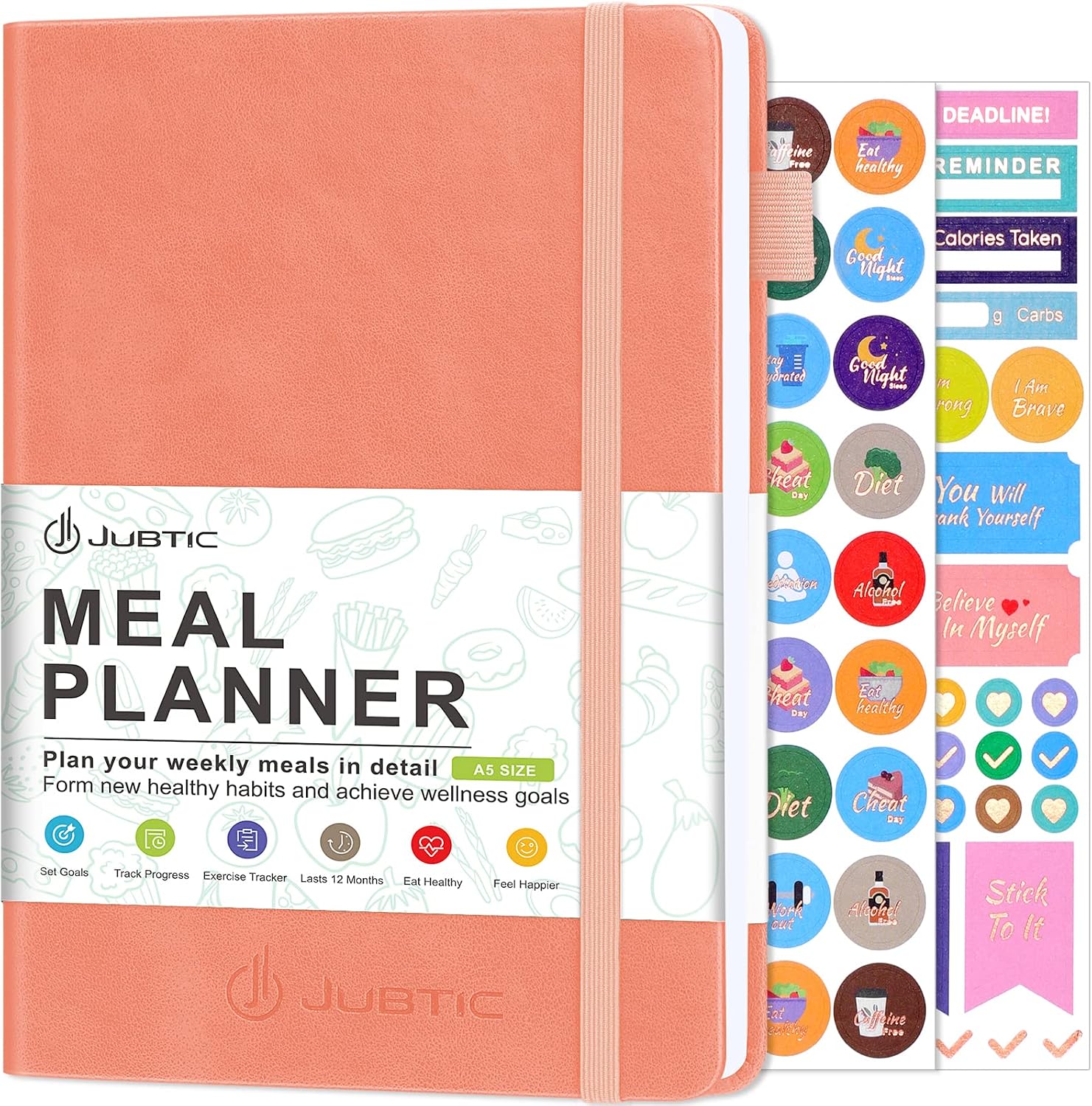
2. JUBTIC Weekly Meal Planner Notebook – Budget-Friendly Pick
- JUBTIC delivers a similar daily and weekly layout to pricier planners, complete with built-in grocery lists, at a fraction of the cost.
- Its undated format means you can start on any week of the year without wasting a single page.
- The compact pink cover makes it easy to toss in a bag or leave out on a kitchen counter.
JUBTIC offers a similar layout to pricier planners, with daily meal prep pages and built-in grocery lists, at a fraction of the cost. The undated format means you can start any week of the year without wasted pages sitting unused.
The pink cover and compact A5 size make it easy to toss in a bag or keep on a kitchen counter. It is a practical pick for anyone testing out a meal planning habit before committing to a pricier option.
Specs Overview
- A5 size, undated
- Daily and weekly pages
- Grocery list included
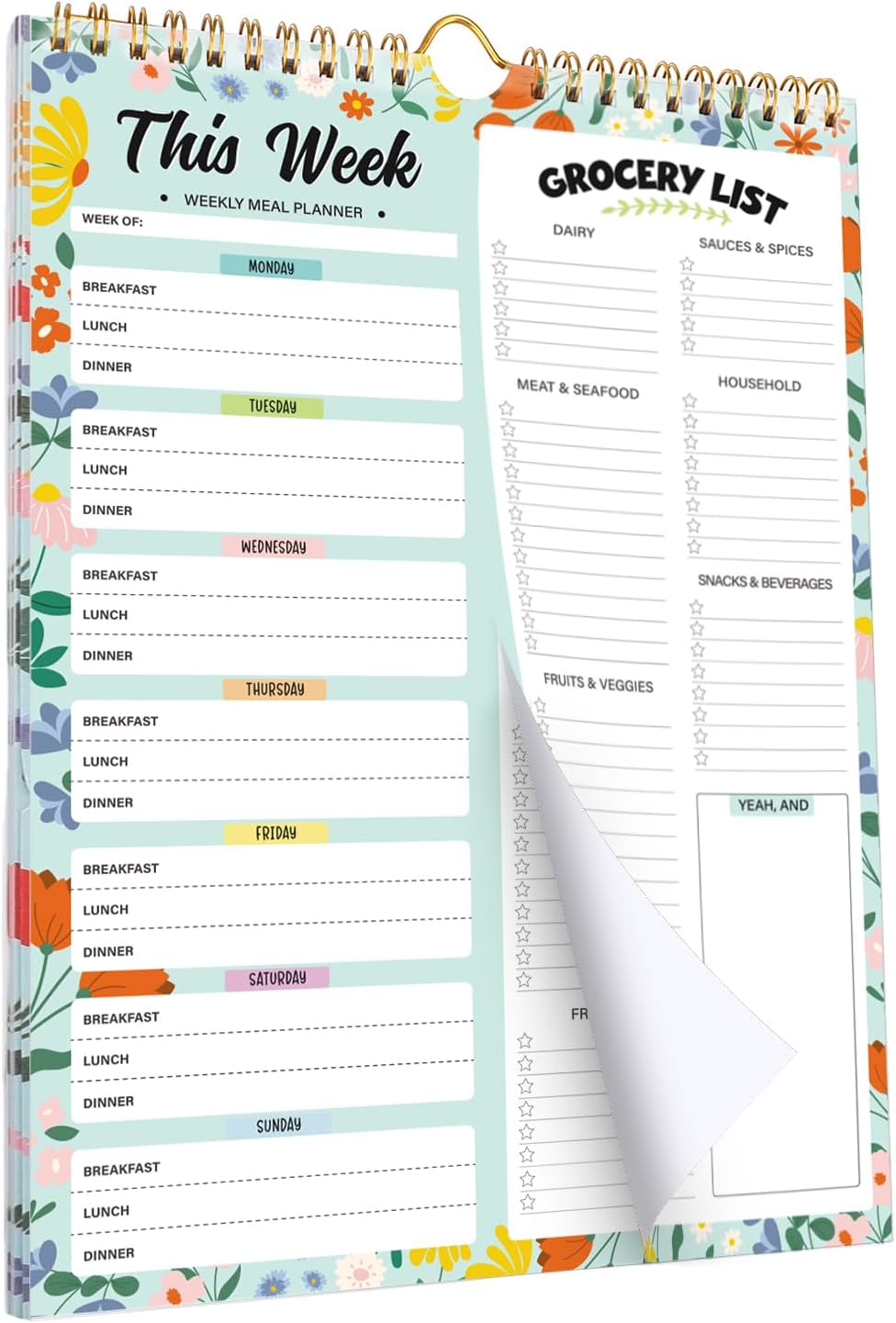
3. Thboxes Magnetic Meal Planner – Fridge Friendly Design
- This planner sticks right to the fridge, keeping meal planning visible for the whole household instead of tucked away in a drawer.
- It includes fifty-two tear-off sheets, enough to last a full year, each with its own built-in grocery list.
- The thick, flower-patterned paper holds up well to daily handling in a busy kitchen.
This magnetic planner sticks right to the fridge, which keeps meal planning visible for the whole household instead of hidden away in a drawer. Fifty-two tear-off sheets cover a full year, with a built-in grocery list on each page.
The flower design keeps it from looking clinical, and the thick paper holds up to daily handling near a busy kitchen. It is a strong option for anyone who wants their weekly checklist somewhere everyone in the house can see it.
Specs Overview
- 52 tear-off sheets
- Magnetic fridge mount
- Grocery list built in
FAQs
What is a weekly weight loss reset?
A Weight Loss Reset Checklist is a short routine you repeat every week to review progress, plan meals, and set a fresh goal that supports sustainable weight loss over time. It works well alongside other healthy habits like consistent sleep and regular movement.
When should I do my weekly reset?
Most people find Sunday works best, though any consistent day that fits your schedule will do the job just as well as long as you stick to it.
Do I need to track calories every week?
Not necessarily. Calorie tracking helps some people stay accountable, but portion control and healthy eating habits built through simple food logging work just as well for many others chasing the same weight loss goals.
Wrapping Up….
A Weight Loss Reset Checklist works because it turns a vague goal into ten small, repeatable actions every single week. Reviewing last week, planning meals, prepping food, and scheduling workouts all fit into about an hour, which stays realistic even during a genuinely busy stretch.
The habits that make this checklist stick matter just as much as the checklist itself. Keeping the reset short, stacking it onto a routine you already have, and keeping it visible all push follow-through higher without demanding extra willpower along the way.
Start with one Sunday, run through the ten steps, and adjust from there as you go. If building new routines is still a work in progress, Best Weight Loss Habits for Beginners is a good next stop for turning this checklist into something that lasts well beyond the first few weeks.